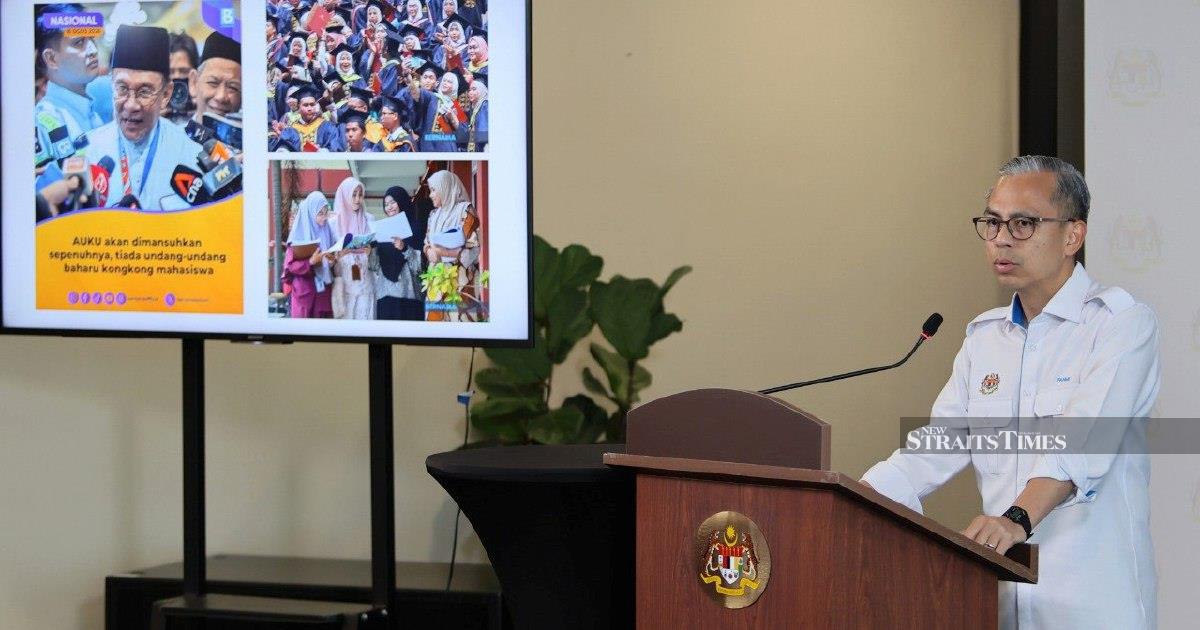
The Malaysian cabinet did not raise or debate Prime Minister Datuk Seri Anwar Ibrahim's recent Taiwan comments during its proceedings, according to government spokesman Datuk Seri Fahmi Fadzil, even as Taipei authorities delivered a pointed rebuke to the government over the matter.
The silence within cabinet meetings on this diplomatically sensitive issue underscores the delicate balancing act that Kuala Lumpur maintains in cross-strait relations. Taiwan's response to Anwar's statements suggests that the island's administration viewed his remarks as carrying sufficient diplomatic weight to warrant a formal reaction, making the apparent inaction at Malaysia's highest executive level noteworthy.
Anwar's comments had touched upon aspects of Taiwan's political status or international standing—matters that habitually provoke careful diplomatic parsing from governments maintaining unofficial relations with Taipei while simultaneously preserving ties with Beijing. The strength of Taiwan's objection indicates the island interpreted the Prime Minister's words as departing from the careful equanimity typically observed in Malaysian public statements on cross-strait matters.
For Malaysia, managing this relationship presents a perpetual challenge. The country maintains no formal diplomatic ties with Taiwan yet conducts significant bilateral economic and trade relations. This pragmatic arrangement requires constant calibration of public utterances to avoid unsettling either Beijing or the self-governing island. When senior Malaysian officials venture into commentary on Taiwan-related subjects, they risk unintended consequences that ripple through the region's carefully balanced diplomatic architecture.
The cabinet's apparent disinclination to formally discuss the matter raises questions about how Kuala Lumpur intends to manage fallout from Anwar's statements. Whether Fahmi's confirmation reflects a deliberate decision to avoid elevated discussion, mere procedural routine, or official confidence that the matter would resolve itself without sustained attention remains unclear. The spokesman's public clarification itself suggests the government wished to signal that no broader policy implications flowed from the Prime Minister's remarks.
Taiwan's sharp response indicates Taipei officials interpreted Anwar's comments as potentially undermining the island's international position or legitimacy—concerns that typically provoke formal objections. Such reactions from the Taiwanese authorities carry significance beyond immediate diplomatic courtesy, as they often signal where Beijing's interests coincide with Taipei's stated grievances, complicating Malaysia's triangular relationship with both the People's Republic and Taiwan.
For Southeast Asian observers and policymakers, Malaysia's handling of cross-strait sensitivities carries broader implications. As a significant regional player and fellow Muslim-majority nation with substantial economic interests across the Taiwan Strait, Malaysia's statements on these matters reverberate throughout the region. Neighboring countries monitor how Kuala Lumpur navigates these waters, as such precedents informally shape expectations about what constitutes acceptable diplomatic discourse on Taiwan matters throughout Southeast Asia.
The cabinet's non-engagement with the issue also reflects the practical reality that senior Malaysian officials sometimes make public comments on sensitive international matters without requiring formal cabinet deliberation. This common pattern suggests that Anwar's Taiwan remarks may have been understood within government as reflecting personal observation or opinion rather than articulating refined cabinet-endorsed policy positions—a distinction that nonetheless carries limited weight with Taiwan authorities concerned about international perception.
Going forward, the episode illuminates the constraints facing Malaysian leadership when addressing cross-strait questions. Anwar, as Prime Minister, commands authority to speak on foreign policy matters, yet his words immediately become fodder for interpretation by neighboring governments scanning for signals about Malaysia's alignment or intentions. The absence of cabinet discussion may have been prudent diplomacy, signaling that no significant policy shift accompanied his remarks, though this approach risks appearing evasive to attentive observers.
Malaysia's relationship with Taiwan encompasses substantial commercial dimensions, with bilateral trade supporting businesses and employment across both territories. These economic linkages create incentives for careful management of political rhetoric that could unnecessarily strain relations. The cabinet's apparent restraint may reflect awareness that extended public debate over Anwar's comments could escalate diplomatic friction where economic pragmatism might better serve national interests.
The broader context includes Malaysia's strategic positioning within Southeast Asia and its relationship with major powers. Kuala Lumpur benefits from stability across the Taiwan Strait and has no interest in appearing to take sides in contentious cross-strait matters. By not elevating the cabinet discussion of Anwar's remarks, the government may have calculated that absorbing Taiwan's complaint without elaborate defensive elaboration constituted the most dignified path forward.
As regional tensions around Taiwan continue evolving, Malaysia's approach to managing public discourse on the island will likely face continued scrutiny from both Taipei and Beijing. The cabinet's decision not to formally discuss Anwar's remarks demonstrates how even democratic governments sometimes opt for quiet diplomacy over transparent deliberation when navigating sensitive international relationships. Whether this approach ultimately serves Malaysian interests in maintaining balanced ties across the Taiwan Strait will become clearer as regional dynamics continue unfolding.

