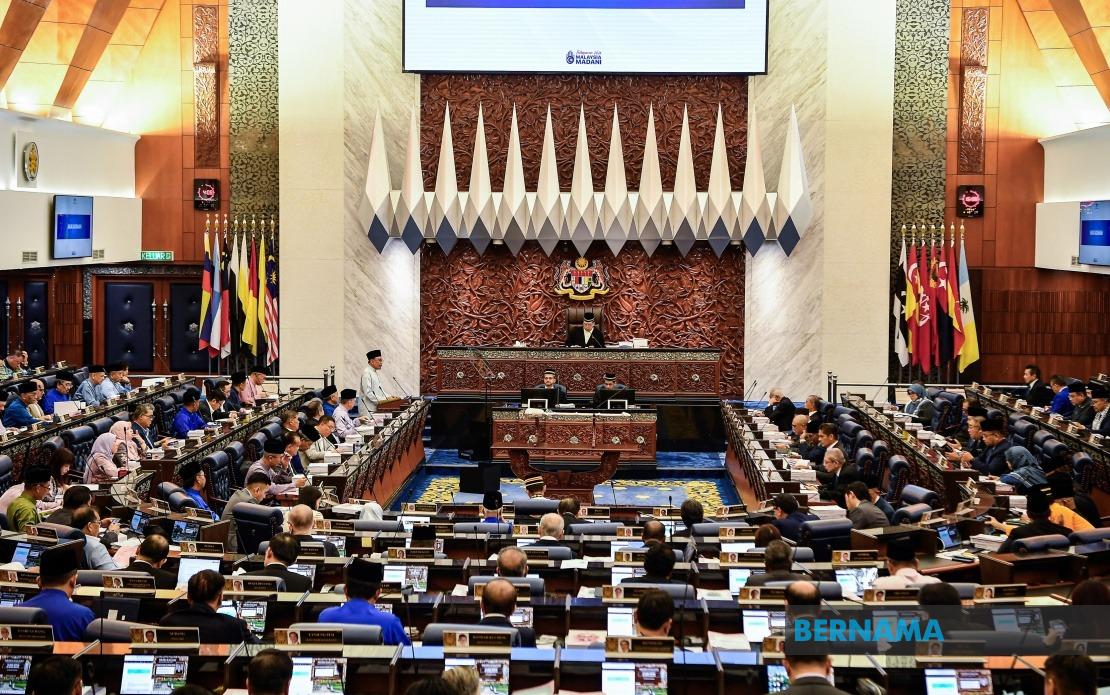
Malaysia's Cabinet has endorsed constitutional amendments that will significantly broaden Parliament's role in scrutinising and recommending candidates for the position of Public Prosecutor. The Legal Affairs Division of the Prime Minister's Department announced the decision on July 8, marking a milestone in the government's institutional reform programme aimed at strengthening judicial independence and the separation of powers within the country's legal framework.
The proposed changes stem from the Constitution (Amendment) (No. 2) Bill 2026, which seeks to clarify the distinct functions of two senior legal positions that have historically caused confusion in Malaysia's system of government. The Attorney General would retain the role of principal legal adviser to the King and Cabinet, whilst the Public Prosecutor would exercise independent prosecutorial authority. This structural clarification reflects international best practices and responds to long-standing concerns about the accountability mechanisms governing Malaysia's justice system.
The legislative journey of this Bill has been methodical and inclusive. First read in Parliament on February 23, 2026, the measure was subsequently referred to a Special Select Committee on Constitutional Amendments Related to the Separation of Roles of the Attorney General and Public Prosecutor. This 11-member committee, drawing representation from both government and opposition benches, conducted seven meetings to thoroughly examine the proposed changes and gather input from diverse stakeholders. The committee report, tabled in the Dewan Rakyat on June 22, incorporated feedback from legal scholars, civil society organisations, and lawmakers from across the political spectrum.
Under the amended proposal, the appointment process for the Public Prosecutor will now involve Parliament directly. Candidates' names will be submitted to the Speaker of the Dewan Rakyat for tabling before the legislative chamber. A Select Committee will subsequently scrutinise these candidates, allowing for transparent evaluation and robust questioning of potential appointees. This parliamentary scrutiny represents a significant departure from previous arrangements, where such appointments relied more heavily on executive and judicial bodies alone.
Following parliamentary examination, the Dewan Rakyat will formally recommend candidates to the Judicial and Legal Service Commission, the statutory body responsible for advising the King on judicial appointments. The JLSC will then base its recommendation to the King on Parliament's assessment, creating a clear chain of accountability that connects the prosecutorial function to the elected representatives of the people. This multi-layered process is designed to balance the independence essential to prosecutorial work with the institutional accountability demanded by democratic governance.
For Malaysian readers, these reforms address longstanding concerns about the concentration of power within the executive's control over prosecutions. The separation of Attorney General and Public Prosecutor functions is not merely technical; it carries profound implications for the rule of law. Citizens have voiced concerns in recent years about prosecutorial decisions appearing politically motivated or inconsistent, and this amendment attempts to create structural safeguards by introducing parliamentary oversight and institutional checks.
The timing of these reforms reflects the MADANI Government's broader commitment to institutional strengthening and democratic accountability. Announced as central to the administration's reform agenda, the amendments represent an attempt to align Malaysia's judicial processes with international standards and demonstrate a commitment to transparency and independence. The willingness to include opposition lawmakers in the special select committee signals a recognition that constitutional matters require consensus and broad support to be truly effective and legitimate.
From a regional perspective, Malaysia joins other democracies in examining the proper relationship between prosecutorial independence and democratic oversight. The model being adopted reflects lessons learned from jurisdictions where prosecutors operate with too little accountability, as well as those where executive or parliamentary interference undermines prosecutorial independence. The amendment seeks a middle path, preserving the professional autonomy necessary for fair prosecution whilst ensuring that such awesome power remains answerable to Parliament and ultimately to the people.
The framework also addresses a practical concern: under current arrangements, the Attorney General simultaneously advises the government on legal matters and oversees prosecution. This dual role can create perceptions of conflict of interest, particularly in politically sensitive cases. By creating a clear separation, the amendments aim to rebuild public confidence in the integrity of Malaysia's justice system. Citizens need assurance that prosecutorial decisions reflect legal merit rather than political considerations, and structural separation is a necessary precondition for such confidence.
Implementation will require careful attention to detail as the Bill progresses through further parliamentary stages. The amendment to Clause 18 of Article 145A represents the culmination of extensive consultation, but practical procedures for operation will need to be developed. How the Select Committee will evaluate candidates, what criteria will guide parliamentary recommendations, and how the JLSC will consider parliamentary input will all require clarification and formal procedures to ensure consistency and fairness.
The amendments are scheduled for debate at the Second Meeting of the Fifth Session of the 15th Parliament on July 13, providing lawmakers another opportunity to examine the proposals in detail and air any remaining concerns. The government has indicated that the constitutional reforms represent an important step toward justice administered with independence, transparency and integrity, reflecting Malaysia's aspiration to maintain a prosecution system that meets international standards and enjoys public trust.
These changes underscore a broader global trend toward enhancing the structural independence of prosecutorial offices whilst maintaining democratic accountability. For Malaysia, which has experienced reputational challenges regarding judicial impartiality in recent years, these amendments represent a significant effort to strengthen institutional credibility. Success depends not just on constitutional language but on commitment from government, Parliament, the judiciary, and civil society to ensure that the spirit of the reforms translates into practice.

