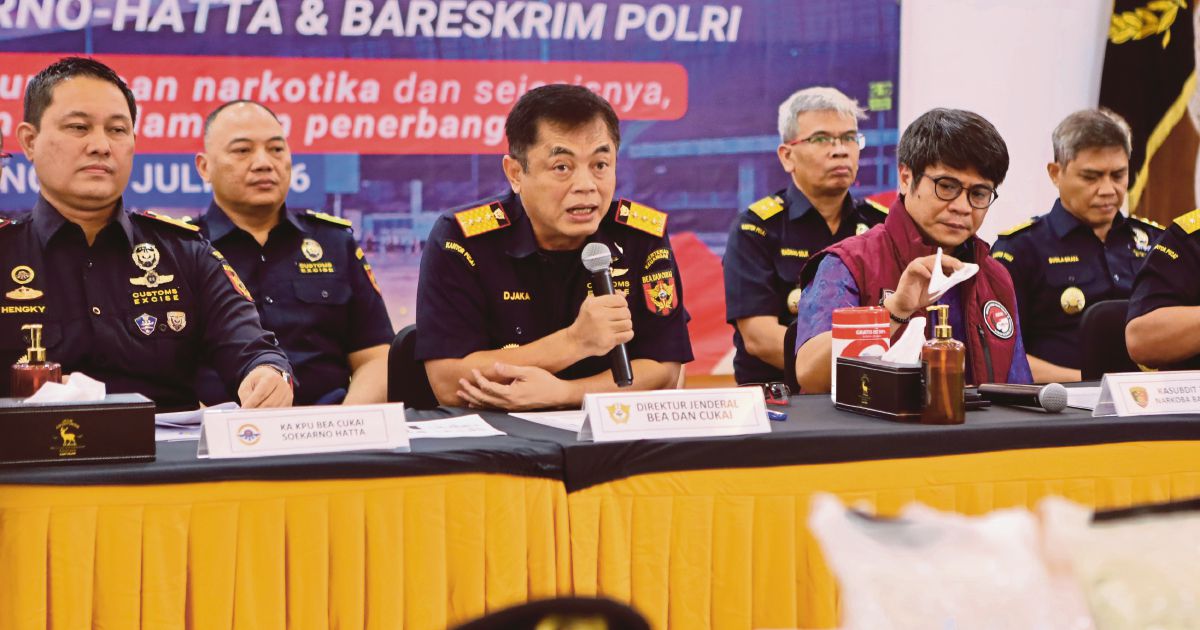
The Civil Aviation Authority of Malaysia has initiated a comprehensive examination into its security procedures and protocols following the arrest of a Malaysia Airlines pilot in Jakarta on suspicion of drug smuggling. The incident has prompted serious questions about whether established safeguards within Malaysia's aviation sector functioned as intended, raising concerns among both regulatory bodies and the flying public about potential vulnerabilities in the system designed to protect the integrity of commercial aviation.
The arrest of the pilot represents a significant breach of the professional standards expected within Malaysia's civil aviation industry. Such incidents carry implications far beyond the individual case, as they underscore the critical importance of robust pre-flight screening mechanisms and ongoing monitoring procedures. The involvement of Malaysia Airlines, the country's flagship carrier, amplifies the incident's profile and has drawn considerable attention from aviation authorities across Southeast Asia, which maintain interconnected safety and security frameworks.
CAAM's investigation will focus on establishing whether established protocols were comprehensively applied at each stage of the pilot's pre-flight procedures and duty cycles. This includes examining access control systems, background verification processes, and the systems designed to flag potential risks among personnel with direct responsibility for aircraft operations. The regulatory body must determine whether screening mechanisms functioned adequately or whether gaps existed that allowed the alleged situation to develop undetected.
The timing and manner of the arrest in Jakarta rather than within Malaysian territory highlights the international dimensions of aviation security. Pilots crossing international boundaries routinely pass through multiple jurisdictional screening points, and the incident raises questions about coordination between Malaysian authorities and their Indonesian counterparts. Such cross-border incidents require careful examination of information-sharing protocols and whether intelligence was properly communicated between aviation authorities in the two nations.
Malaysia Airlines faces internal scrutiny regarding its own vetting procedures and employee monitoring systems. Airlines maintain responsibility for ensuring their personnel meet stringent professional and character standards, as pilots occupy positions of absolute trust within commercial aviation operations. The carrier will likely conduct parallel reviews of its human resources practices, focusing on recruitment protocols, periodic fitness assessments, and mechanisms designed to identify personnel who may pose security or operational risks.
The broader Malaysian aviation sector views this incident with considerable concern, as negative developments involving major carriers can impact confidence in the country's entire aviation infrastructure. Tourism, business travel, and cargo operations all depend upon maintaining international confidence in Malaysian civil aviation security standards. Any perception that security protocols are inadequate or inconsistently applied could have ripple effects across airlines operating within Malaysian airspace and from Malaysian airports.
CAAM must balance transparency with operational sensitivity as it conducts its investigation. Public disclosure of specific security vulnerabilities could theoretically enable exploitation, yet maintaining complete opacity would undermine public confidence in the regulatory process. The authority faces pressure to demonstrate thorough investigation and accountability while avoiding detailed public revelation of security weaknesses that could be weaponised by bad actors seeking to circumvent aviation safeguards.
The incident underscores the challenge aviation authorities face in balancing trust in their workforce with the necessity of constant vigilance. Malaysia Airlines pilots are extensively trained professionals upon whom the industry depends, yet the sector cannot permit assumptions of character to override empirical security screening. This tension between professional respect and security necessity will likely feature prominently in CAAM's review of current protocols and recommendations for enhancement.
Regional aviation bodies and international standards-setting organisations will monitor Malaysia's response to this incident closely. CAAM's thoroughness in investigating the matter and implementing any necessary corrective measures will influence how the Malaysian aviation sector is perceived internationally. The investigation represents an opportunity for the authority to demonstrate commitment to maintaining world-class security standards while identifying whether existing systems require modernisation or clarification.
The investigation also occurs within a broader global context of evolving threats to aviation security. Drug smuggling represents one of several criminal activities that aviation authorities must defend against, requiring coordination across customs agencies, law enforcement, and civil aviation regulators. Malaysia's response to this particular incident will inform how comprehensively integrated these inter-agency mechanisms have become and whether improvements in coordination protocols are necessary.

