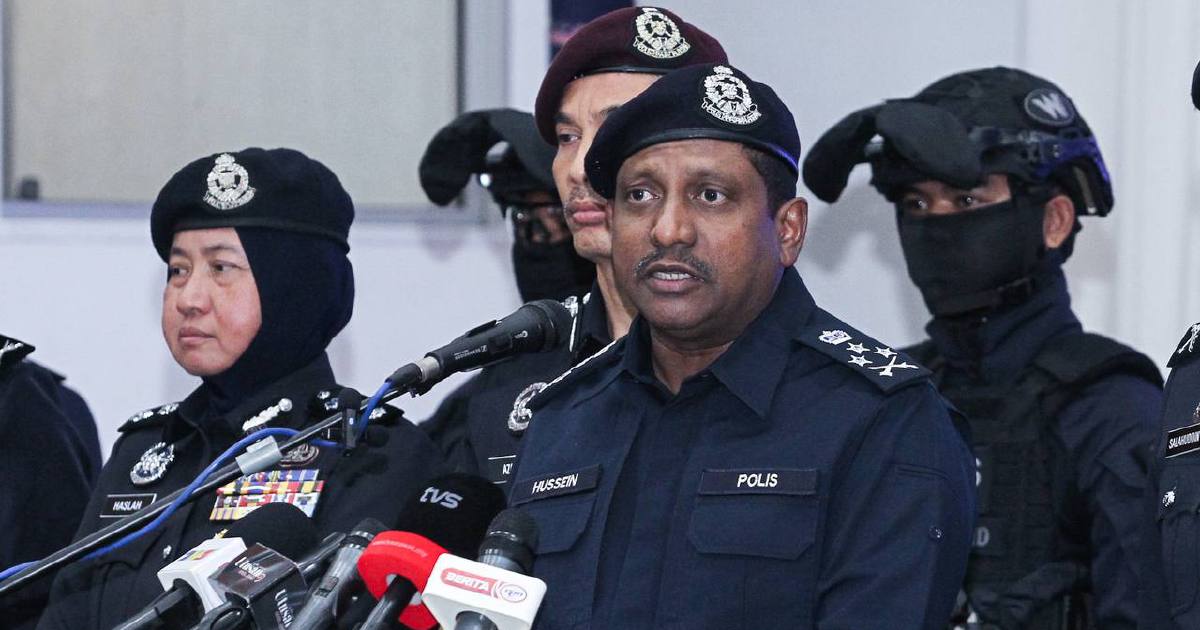
Malaysia's national police headquarters at Bukit Aman has announced it will establish a coordinated investigative effort with Indonesian police authorities regarding allegations against a Malaysian pilot suspected of attempting to bring illegal drugs into Indonesia. The partnership underscores the two neighbouring nations' commitment to tackling transnational drug trafficking, a persistent challenge affecting both Southeast Asian economies and public health systems.
The case highlights the vulnerability of air transport networks to criminal exploitation, particularly given Malaysia's position as a regional aviation hub. Pilots and flight crew members, with their legitimate access to international travel routes and cargo systems, can become targets for organised smuggling operations or, in some cases, willing participants in drug trafficking schemes. The investigation will likely examine how the alleged smuggling operation was organised, what narcotics were involved, and whether the pilot was acting independently or as part of a larger criminal network.
Bukit Aman's decision to coordinate directly with Indonesian counterparts reflects established protocols for handling cross-border criminal cases. When a Malaysian national faces allegations abroad, especially involving serious offences such as drug trafficking, the domestic police force typically engages with foreign authorities through official channels to ensure evidence is properly gathered, legal standards are respected, and eventual prosecutions—whether in Malaysia or Indonesia—are strengthened. This collaborative approach has become standard practice across Southeast Asia following the establishment of various bilateral and multilateral law enforcement agreements.
Indonesia has maintained some of the world's strictest drug laws, with mandatory minimum sentences and capital punishment remaining possible penalties for large-scale trafficking. The nation's commitment to enforcing these laws is reflected in its ongoing operations against narcotics networks, which operate extensively throughout the archipelago and increasingly utilise air and sea routes for transporting contraband. For Malaysian citizens arrested under these circumstances, the stakes are extraordinarily high, as they face prosecution within a foreign legal system with different standards and consequences.
The investigation also raises questions about security protocols at Malaysian airports and the vetting procedures for personnel with access to aircraft. International aviation authorities have become increasingly focused on insider threats—employees or contractors who misuse their position to facilitate smuggling operations. Both Malaysia and Indonesia, as major regional aviation markets, face pressure to ensure their screening and supervision mechanisms effectively prevent such abuses while maintaining operational efficiency.
This case arrives amid broader regional concerns about drug trafficking trends. Southeast Asia has witnessed significant increases in methamphetamine production and distribution, with illegal laboratories operating across Myanmar, Laos, and Cambodia. These drugs flow through Malaysia and into Singapore, Australia, and beyond, with trafficking organisations constantly developing new smuggling routes and methods to evade detection. Maritime routes have dominated recent years, but air smuggling remains a viable option for smaller, high-value shipments.
The cooperation between Bukit Aman and Indonesian police also reflects the practical reality that effective drug enforcement requires information sharing, coordinated enforcement operations, and harmonised legal approaches. When a Malaysian faces prosecution abroad, Malaysian authorities have an interest in understanding the full scope of the investigation, ensuring their national receives fair treatment, and learning lessons that might strengthen domestic security measures. Conversely, Indonesian investigators benefit from Malaysian input regarding the pilot's background, associates, and possible involvement in other crimes.
For Malaysia's aviation industry, the incident presents a reputational challenge. Airlines and airport operators work carefully to maintain trust among international partners, as any perception of security lapses can result in increased scrutiny from foreign regulators, additional restrictions on operations, and damage to brand confidence. The industry will likely face renewed pressure to demonstrate robust internal controls and transparent compliance with international security standards.
The timing and specifics of the pilot's arrest remain unclear from available information, but such cases typically emerge through routine customs inspections, intelligence tips, or coordinated surveillance operations. Indonesian authorities conduct extensive airport security operations, and they have consistently increased interdiction efforts targeting international smuggling networks. The fact that the arrest occurred in Indonesia suggests the suspected smuggling operation was discovered before any narcotics crossed into Malaysian territory, though the investigation will determine the intended final destination and the full scope of the alleged criminal scheme.
Moving forward, both nations are likely to examine whether this case reveals systemic vulnerabilities requiring policy responses. This might include enhanced background checks for aviation personnel, improved coordination between airlines and customs authorities, or additional training for frontline staff responsible for identifying suspicious behaviour. Such measures, if implemented thoughtfully, can strengthen border security without unnecessarily burdening legitimate commercial operations that are vital to regional economies.
The investigation also serves as a reminder that transnational crime requires transnational solutions. No single nation can effectively combat sophisticated smuggling operations working across multiple jurisdictions. Malaysia and Indonesia's willingness to work cooperatively on this matter reflects their shared understanding that drug trafficking threatens both nations' development, stability, and public wellbeing. As the investigation progresses, it will provide valuable insights into evolving smuggling tactics and may lead to the identification and prosecution of other individuals involved in what may prove to be a larger organised operation.

