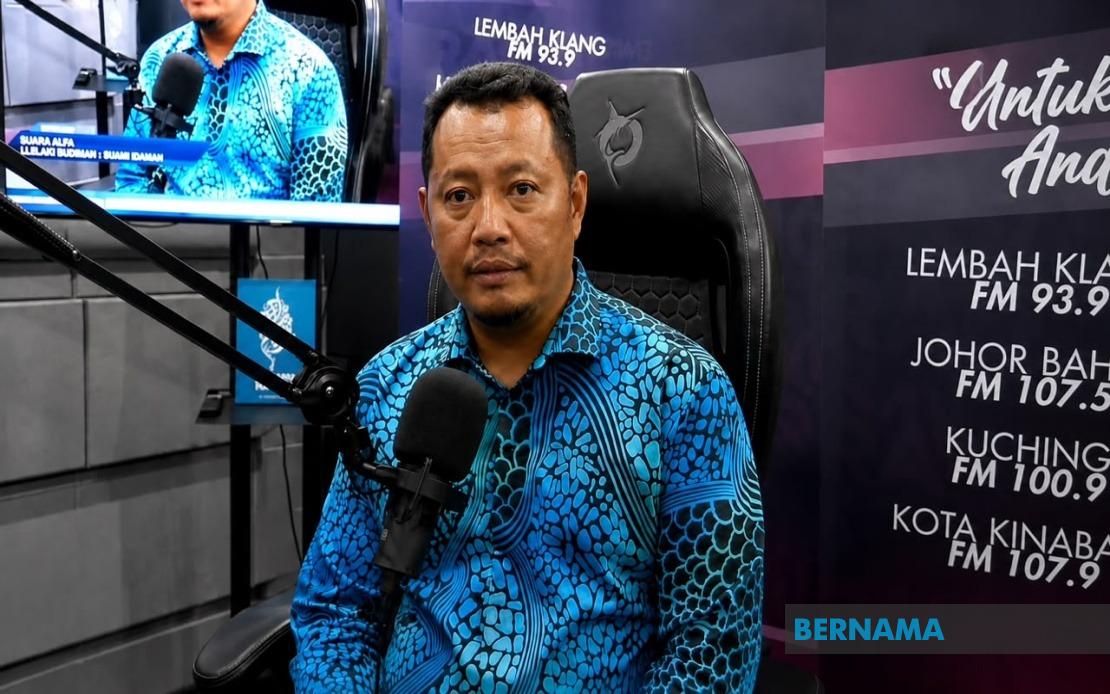
The characteristics that define a gentleman must be deliberately cultivated during formative years, according to the National Population and Family Development Board (LPPKN), which argues that early childhood and adolescence represent the critical window for shaping men who can shoulder responsibilities within their families and contribute meaningfully to their communities. Speaking on Bernama Radio's Suara Alfa programme titled "Lelaki Budiman: Suami Idaman", Md Noh Saiman, chief assistant director of LPPKN's Counselling and Intervention Unit, underscored the foundational role that parenting approaches and parental conduct play in determining whether children ultimately develop into conscientious, caring adults.
The genesis of responsible manhood lies in the home environment, where children constantly absorb behavioural cues and internalize lessons through observation rather than instruction alone. Md Noh emphasized that the upbringing process itself carries outsized significance because children's minds function as repositories for what they witness their parents doing day after day, year after year. This lived experience—the daily interactions, problem-solving approaches, and emotional responses children observe—becomes embedded in their developing sense of right and wrong, shaping their future conduct long before they reach adulthood. The implication is clear: parents serve as the primary architects of their sons' character, making their own conduct and choices the most powerful curriculum available.
Conventional understanding of what constitutes a gentleman often reduces to surface-level courtesy or romantic gestures, yet LPPKN's framework expands this definition considerably. True gentlemanly character, according to Md Noh, encompasses authenticity, moral integrity, and a readiness to assume family responsibilities without expectation of gratitude or public recognition. This distinction matters because it shifts the emphasis away from performative masculinity toward genuine commitment to family welfare. A gentleman, in this conception, does not perform kindness for an audience or for self-aggrandisement; rather, he acts from an internalized conviction that supporting his household constitutes his fundamental duty.
Practical manifestations of supportive partnership extend into domains traditionally segregated by gender roles, including household management and childcare responsibilities. Md Noh suggested that husbands can demonstrate genuine partnership by actively participating in these essential functions, thereby meaningfully reducing the burden their spouses carry. Beyond the immediate benefits to household harmony, this approach produces secondary gains for women, who find themselves liberated from exhausting dual responsibilities and thus positioned to pursue professional advancement and personal development with greater psychological freedom and practical time availability.
The Lelaki Idaman Programme, which LPPKN operates, functions not as a mere awards ceremony celebrating men who already embody ideal qualities, but rather as a constructive intervention platform designed for individuals genuinely committed to personal transformation and self-improvement. This distinction reflects a pragmatic understanding that not all men begin from the same baseline; some require institutional scaffolding and public encouragement to undertake the difficult psychological work of challenging entrenched patterns and reconstructing their approach to relationships and family life. The programme implicitly recognizes that masculinity remains malleable and responsive to intentional effort.
Md Noh articulated an often-overlooked dimension of mature manhood: the capacity to receive critical feedback without defensiveness or ego-protective reactions. This quality of emotional resilience and openness to improvement separates men who stagnate from those who evolve. A psychologically mature individual can distinguish between the validity of constructive criticism and the identity of the person offering it, allowing improvement to occur regardless of source. This receptivity becomes especially crucial in marital contexts, where partners must navigate inevitable disagreements and misunderstandings.
The contemporary environment presents unprecedented challenges to traditional character formation processes. Digital platforms and social media have fundamentally altered how both men and women encounter information about gender roles and relationship ideals. These technological intermediaries now function as powerful shapers of expectations and perceptions, often projecting curated, distorted, or commercialized versions of masculinity that may bear little resemblance to sustainable, authentic partnership. The proliferation of competing messages about what defines an ideal gentleman means that parents and mentors must work harder to counter superficial or harmful influences and reinforce values rooted in genuine human connection rather than performative display.
The relationship between individual character development and institutional stability represents a crucial insight in LPPKN's framework. Strengthening the family unit depends fundamentally on cultivating men who understand their role as partners rather than patriarchs, as supporters rather than commanders. When husbands and fathers actively invest in household welfare and genuinely empower their partners, the resulting family dynamics become more stable, more equitable, and more conducive to the flourishing of all members. This direct causal link between responsible masculinity and family resilience explains why LPPKN treats character development not as a peripheral social concern but as central to national cohesion and wellbeing.
For Malaysian society specifically, these insights carry particular resonance given ongoing conversations about gender roles, family structure, and the integration of traditional values with contemporary expectations. The LPPKN position suggests that rather than viewing masculinity and family support as conflicting with traditional notions of manhood, responsible partnership actually fulfills the deepest cultural and religious imperatives toward family stewardship. This reframing may help bridge generational divides and ideological factions by demonstrating that supporting partners and sharing domestic responsibilities represents not a capitulation to external pressure but a genuine expression of mature, values-aligned character that transcends superficial cultural debates.

