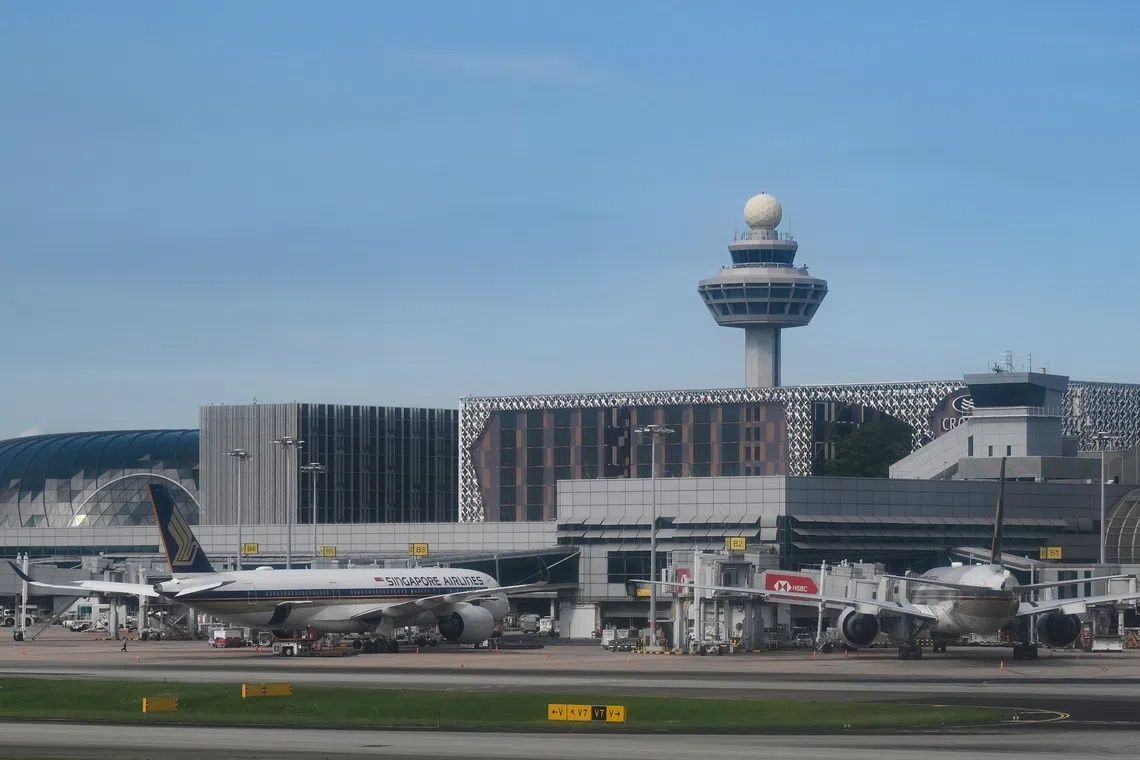
Singapore's police have moved to prosecute a 25-year-old British national following a disruptive incident at Changi Airport Terminal 1 that left one airline employee injured and stranded hundreds of passengers on a flight bound for Kuala Lumpur. The confrontation, which unfolded on the afternoon of July 20, resulted in a 45-minute departure delay and has since drawn official scrutiny into passenger behaviour at one of Asia's busiest aviation hubs.
According to a police statement released on Tuesday, August 11, officers received a disturbance call at approximately 4:05 pm from the T1 boarding gate. Initial investigations revealed that the man, believed to be intoxicated at the time, had been creating a sustained disturbance by talking and shouting loudly throughout the boarding process. His behaviour was sufficiently disruptive to irritate fellow passengers preparing to board the aircraft.
When two members of airline staff approached the passenger to address his conduct, the situation escalated markedly. The man responded with anger, directing profanities and abusive language at one of the staff members. Faced with escalating behaviour and clear signs of intoxication, the airline made the decision to prevent him from boarding and removed him from the flight roster.
The critical turning point came when the passenger was informed of the airline's decision. Rather than accepting this outcome, he allegedly grew aggressive and forcibly pushed past multiple airline employees in an attempt to proceed toward the aircraft. During this forceful advance, he entered a secured area of the airport without proper authorisation—a breach that carries particular significance given heightened security protocols at modern airports. The aggressive pushing resulted in physical injury to at least one staff member, a woman who fell to the ground and sustained injuries to her left arm and wrist.
The disruption extended beyond the initial physical confrontation. Airport security personnel who became involved in managing the situation faced continued aggressive behaviour and verbal abuse from the passenger. His refusal to comply with airport regulations and continued use of vulgarities created an extended standoff that ultimately prevented the entire aircraft from departing. The 45-minute delay rippled through the airport's schedule and affected all passengers aboard the flight, many of whom had connections or time-sensitive commitments in Kuala Lumpur.
The incident underscores a growing concern at major transport hubs regarding passenger behaviour, particularly when alcohol is involved. Airport authorities in Singapore, like their counterparts across Southeast Asia, have intensified focus on maintaining order and safety within terminals. Breaches of security protocols—such as unauthorised entry into protected areas—are treated with particular seriousness given their potential implications for overall airport security and the safety of other travellers.
Prosecutors have outlined three distinct charges against the man, each carrying separate penalties that reflect the escalating severity of his actions. The most straightforward charge relates to causing annoyance while intoxicated in a public place, an offence that carries a maximum fine of S$1,000, imprisonment for up to six months, or both. This charge specifically addresses the initial disruptive behaviour at the boarding gate.
The second charge concerns his use of threatening, abusive, or insulting words and behaviour directed at airline and security staff. Conviction on this count carries a potential fine of up to S$5,000, a substantial penalty designed to deter verbal abuse of service personnel who are attempting to maintain order and safety.
The most serious charge relates to his unauthorised entry into the protected area of the airport. This breach of security protocols carries the heaviest potential sentence: a fine of up to S$20,000, imprisonment for up to two years, or both. The severity of this charge reflects the zero-tolerance approach many jurisdictions adopt toward security breaches at critical infrastructure like airports.
For Malaysian readers and others in Southeast Asia who travel regularly through the region's hub airports, this case illustrates the consequences that await those who breach conduct standards at departure gates. Singapore's Changi Airport, which serves as a major transit point for passengers throughout Malaysia and the broader region, maintains strict protocols that are enforced consistently. The incident also highlights how quickly situations can escalate when intoxicated individuals interact with service staff in high-pressure environments.
The timing of the incident—mid-afternoon during standard boarding operations—demonstrates that disruptions can occur at any time, not merely during peak evening hours. For airlines and airport operators, the case represents a reminder of the operational and financial costs of managing unruly passengers, with every minute of delay affecting downstream flight schedules and passenger connections throughout the network.
The man was scheduled to appear in court on August 12 to face the charges. The outcome of this case will likely set a precedent for how similar incidents involving foreign nationals are handled within Singapore's justice system, while also sending a clear message to international travellers about the serious consequences of disruptive behaviour at airports.

