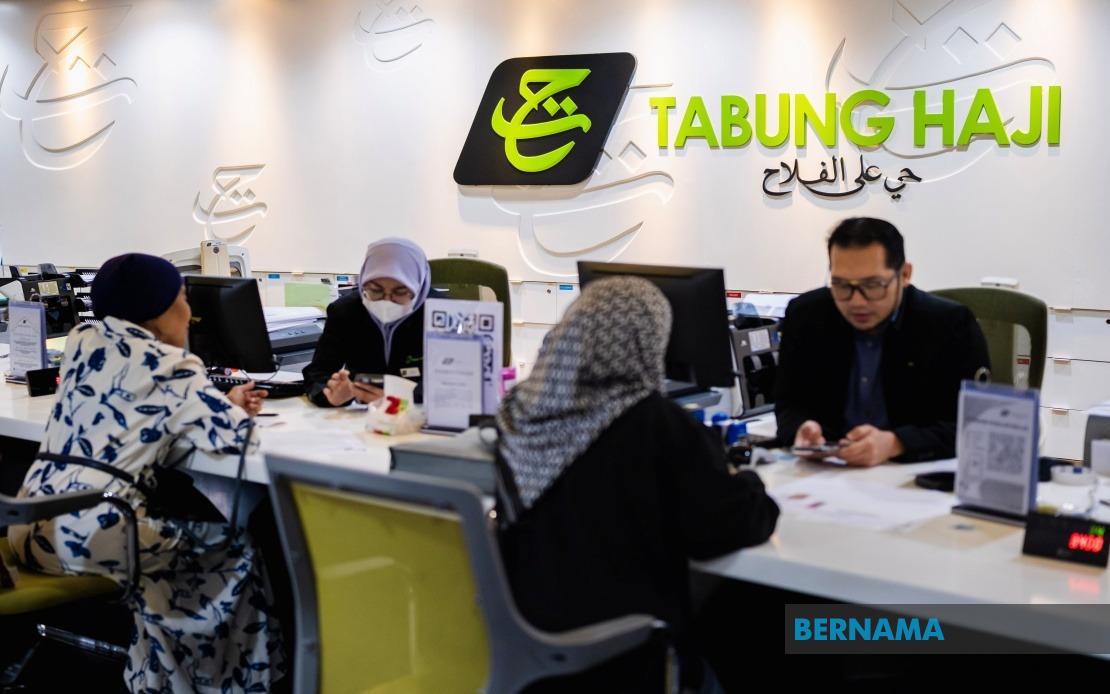
The path to rebuilding public trust in Tabung Haji depends critically on removing the institution from the grip of political interference, according to Malaysian scholars and analysts assessing progress on the Royal Commission of Inquiry's recommendations. With more than three-quarters of the RCI's proposed reforms now in place, the focus has shifted to the deeper institutional challenge: ensuring that Malaysia's premier hajj savings body operates as an independent entity free from political pressure and patronage appointments.
The financial troubles that engulfed Tabung Haji revealed uncomfortable truths about how political control can undermine sound management and governance. Across interviews and media appearances, academic observers consistently identify political interference as the root cause of decisions that exposed depositors to significant investment risks. This conclusion carries particular weight given Tabung Haji's fundamental role as custodian of savings for Malaysia's Muslim community preparing for one of Islam's five pillars. When confidence in the institution erodes, it affects not merely financial returns but the spiritual and financial security of millions of Malaysian families.
Prof Dr Azmi Hassan of the Nusantara Academy for Strategic Research emphasizes that restoring full confidence demands demonstrable separation between Tabung Haji's operations and political interests. He observes that currently almost every significant decision becomes entangled with political calculations, a pattern evident even in routine matters like parliamentary presentations of RCI findings. The challenge ahead requires the government to appoint professional managers with no party political affiliations to lead the organisation, signalling a genuine commitment to institutional independence rather than merely implementing technical reforms.
The governance model that should guide Tabung Haji's transformation already exists within Malaysia's own institutional landscape. Dr Mohd Amim Othman at Universiti Putra Malaysia points to the Employees Provident Fund and Permodalan Nasional Berhad as successful examples of large financial institutions that have insulated themselves from political interference while maintaining public trust and delivering consistent returns. Malaysia possesses abundant pools of qualified professionals capable of managing Tabung Haji effectively, yet politicians have historically resisted surrendering control over such significant entities. Implementing the RCI's specific recommendations regarding ministerial powers, board composition, and regulatory oversight mechanisms becomes essential to overcoming this resistance.
Beyond structural reforms, Tabung Haji faces a generational challenge that requires fresh strategic thinking. Dr Amim warns that declining contribution rates among existing members following the crisis threatens the institution's investment capacity and long-term sustainability. Attracting younger Malaysians, many skeptical of Tabung Haji's management after recent scandals, demands not merely restored confidence but innovative product offerings and expanded services. Modernizing Tabung Haji's portfolio to include property investments and other contemporary financial instruments could help the institution regain relevance among younger savers and build a more diverse revenue base.
The Al-Rawda investment in Saudi Arabia illustrates precisely why political interference proves so destructive to professional decision-making. Dr Saizal Pinjaman of Universiti Malaysia Sabah's Centre for Economic and Policy Development notes that this largest single loss proceeded despite incomplete due diligence processes, suggesting that political considerations overrode prudent risk assessment. When board members know that decisions face political review and that their positions depend on political favour rather than professional competence, the incentive structure shifts dangerously away from fiduciary responsibility toward political appeasement. Conversely, granting management genuine independence to pursue objective, risk-conscious strategies must be paired with robust accountability mechanisms and external oversight to prevent abuse.
The symbolic dimension of Tabung Haji's recovery cannot be overstated in Malaysia's context. Dr Noor Nirwandy Mat Noordin at Universiti Teknologi MARA emphasizes that the institution represents more than financial management—it embodies Muslim civilization, heritage, and communal pride. Political misuse of Tabung Haji wounded this symbolic dimension as much as it harmed depositors' savings, breeding cynicism about whether national institutions genuinely serve the public interest or merely serve political masters. Restoring the institution's standing requires visible, tangible demonstrations that Tabung Haji now operates in the genuine interests of Malaysian society and its Muslim community rather than as an instrument of factional political advantage.
Transparency emerges as a crucial complement to institutional independence in the recovery strategy. Greater openness about investment decisions, performance metrics, and management processes would subject Tabung Haji to ongoing public scrutiny that discourages political manipulation. Dr Noor Nirwandy suggests that Tabung Haji could strengthen its decision-making by engaging external experts in investment appraisal, economic analysis, and incentive design, diversifying the sources of institutional advice beyond political appointees and creating additional checks against purely political considerations influencing major decisions.
The timing of this institutional reckoning carries significance for Malaysia's broader governance evolution. As the nation grapples with questions about whether political patronage networks serve the national interest, Tabung Haji's transformation could establish important precedents for how government-linked institutions can be professionalized and depoliticized. The institution's prominence among Malaysian Muslims, combined with the concrete losses suffered during the crisis, creates unusual political space for implementing genuine reforms that might prove more difficult in less high-profile organisations.
For Malaysian depositors and the Muslim community that Tabung Haji serves, the coming months will prove whether implementing the RCI's technical recommendations translates into genuine institutional independence. The difference between compliance with reform recommendations and authentic transformation hinges on whether political leaders demonstrate willingness to genuinely surrender control. Until professional managers operate free from political pressure and politicians cease viewing Tabung Haji as a prize to be captured, rebuilding depositor confidence will remain incomplete, leaving the institution vulnerable to repeating the failures that necessitated the Royal Commission of Inquiry in the first place.

