Brazil advanced to the Round of 16 of the 2026 FIFA World Cup with a hard-fought 2-1 victory over Japan at Houston Stadium on June 30, in a match that showcased both defensive discipline and attacking flair. The encounter proved far more competitive than many observers anticipated, with Japan mounting a spirited challenge before ultimately succumbing to Brazilian pressure in the final moments of the contest.
Japan's opening period performance demonstrated tactical maturity and organisational discipline that repeatedly frustrated the Brazilian attack. The Samurai Blue deployed a compact 5-4-1 formation designed to compact the midfield and limit spaces in wide areas where Brazil typically generates their most dangerous opportunities. Despite lacking possession for large stretches of the first half, the Japanese defence effectively neutralised the creative threats posed by the Selecao's playmakers, forcing Brazil into increasingly direct attempts that lacked the precision required to penetrate their defensive structure.
The breakthrough moment arrived against the run of play in the 29th minute when Kaishu Sano capitalised on a wayward Danilo pass to spark a counterattack. The Japanese midfielder seized possession deep in Brazil's half and carried the ball forward with purpose before unleashing a low drive from outside the penalty area that Alisson could not keep out. Sano's composed finish marked his first international goal and represented a significant reward for Japan's disciplined first-half approach, leaving Carlo Ancelotti's side facing the prospect of their first World Cup knockout victory since their remarkable 2002 run.
Brazil's second-half response carried noticeably greater intensity and directness compared to their opening 45 minutes. The team's attacking movement became more fluid, with fullbacks pushing higher into attacking positions and central midfielders transitioning the ball more rapidly into advanced areas. The adjustment in approach created numerous opportunities to deliver crosses into Japan's penalty box, where aerial dominance could be leveraged as a tactical advantage.
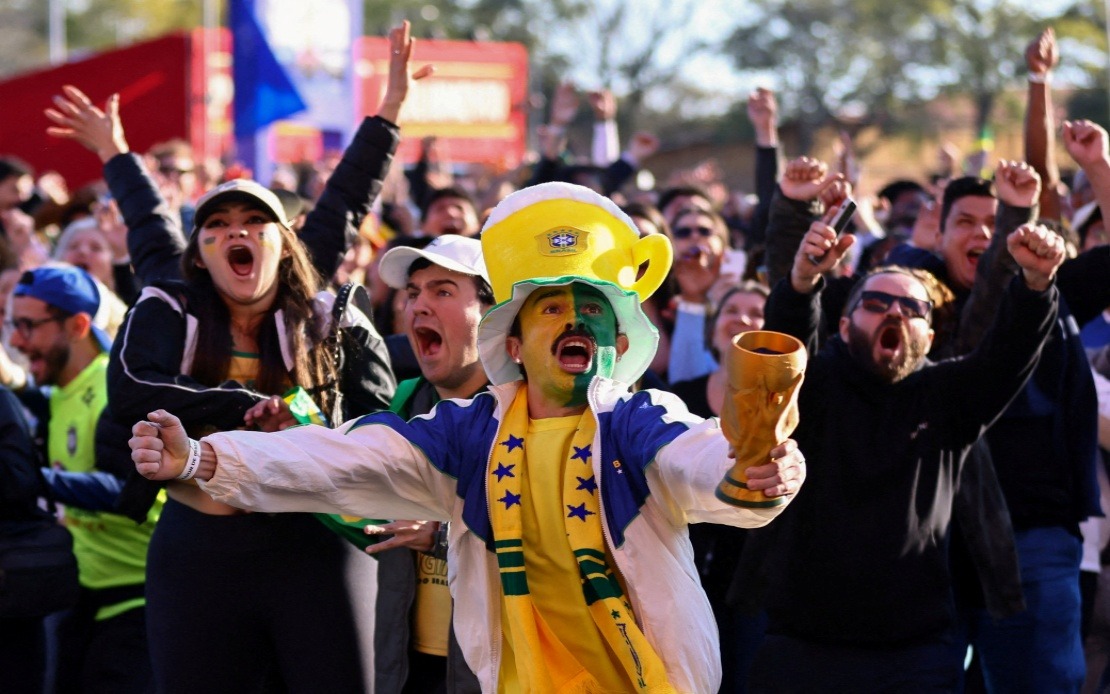
The equaliser arrived in the 56th minute when Casemiro attacked Gabriel Magalhaes' cross at the back post with typical awareness and timing. The midfielder's header brought Brazil level and visibly shifted momentum decisively in their favour, with the sizeable Brazilian contingent within Houston Stadium's crowd providing vocal support that energised the team's attacking endeavours. From this point forward, Brazil's dominance became increasingly pronounced as Japan retreated deeper to defend their slender position.
The dramatic conclusion unfolded during the closing moments of normal time when Bruno Guimaraes orchestrated a penetrating move towards Japan's area. The midfielder's perfectly weighted pass released Gabriel Martinelli, who demonstrated composure and technique to direct his shot past goalkeeper Zion Suzuki despite the goalkeeper managing to get a hand to the effort. The 90+5 minute winner sent Brazil's supporters into celebration while simultaneously ending Japanese hopes of extending their tournament run further.
This result carries particular significance within regional Asian football circles, as it underscores Japan's continued progress in world tournament football despite their inability to translate competitive performances into results against elite opposition. The Samurai Blue's defensive organisation and tactical discipline demonstrated here provides valuable momentum heading into future campaigns, even as their 2026 tournament concludes prematurely.
For Brazil, the victory maintained their expected trajectory through the group stage while highlighting areas requiring attention for deeper tournament runs. Their vulnerability against well-organised defensive systems and dependence on late opportunities suggests that subsequent opponents may adopt similar tactical approaches. The next fixture against either Norway or Ivory Coast will present fresh challenges as the competition intensifies.
The encounter reflected broader themes evident throughout this World Cup cycle, particularly how modern tournament football increasingly rewards tactical sophistication and organisational discipline alongside individual talent. Japan's performance, while ultimately unsuccessful, demonstrated that competitive spirit and systematic preparation can trouble even the strongest international sides for extended periods. However, Brazil's ultimate triumph underscores why experience, depth of talent, and the ability to maintain composure under pressure remain decisive factors in determining tournament outcomes.

