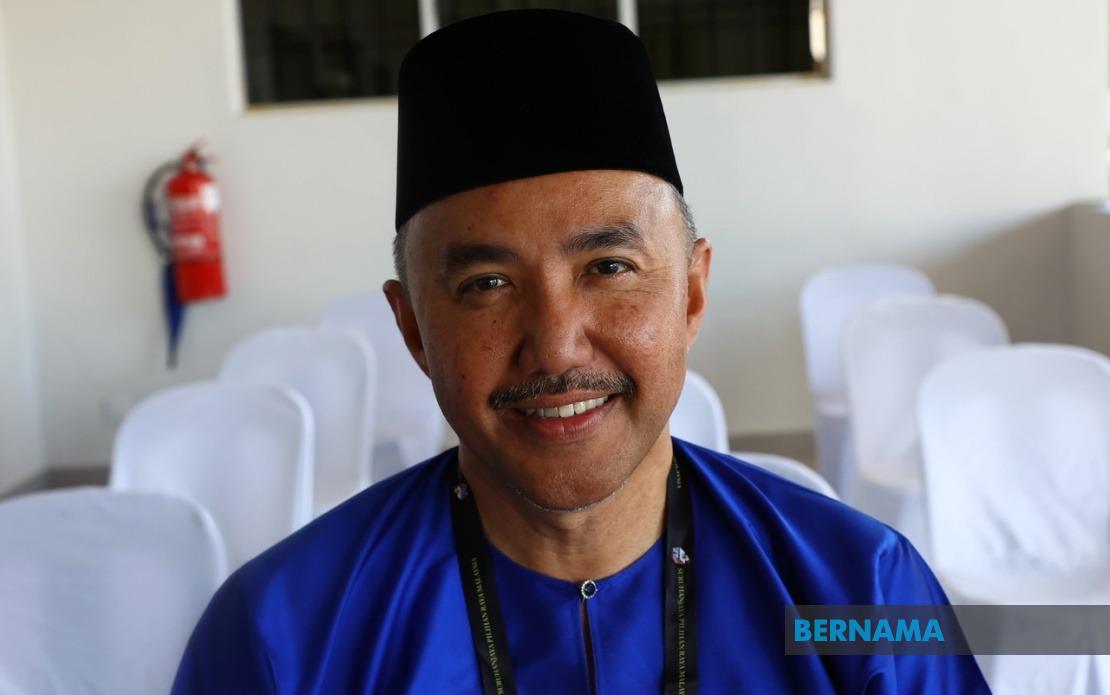
The Barisan Nasional coalition is banking on strong support from Federal Land Development Authority settlements in the Kulai parliamentary constituency as Johor heads toward state elections on July 11. According to Datuk Mohd Jafni Md Shukor, chairman of BN's Kulai division, the party expects to perform well across four FELDA communities that collectively represent nearly 7,000 voters—a strategically significant bloc in a state where rural constituencies have proven decisive in past electoral contests.
The FELDA settlements in question span two state constituencies within Kulai. Three settlements—FELDA Taib Andak, FELDA Inas, and FELDA Bukit Permai—fall under the Bukit Permai state seat, where Jafni himself is defending his position. A fourth community, FELDA Bukit Batu, sits within the Bukit Batu state constituency. Together, these communities represent a voter base that could substantially influence BN's prospects not only in the Kulai parliamentary area but across the broader regional political landscape.
The coalition's optimism rests partly on a trajectory of recovery. Jafni acknowledged that FELDA areas represented a significant vulnerability for BN during the 2018 state election, when the coalition suffered historic losses across rural constituencies in Johor and nationwide. However, he pointed to a modest rebound in 2022, suggesting that targeted engagement with FELDA communities has begun to reverse earlier electoral losses. This recovery narrative is central to BN's strategy as the party seeks to consolidate support ahead of the July 11 ballot.
Johor's Menteri Besar, Datuk Onn Hafiz Ghazi, has prioritised FELDA welfare as part of his administration's governance agenda. Over the past four years, the state government has implemented several targeted initiatives aimed at addressing longstanding grievances within these communities. Educational support has emerged as a particular focal point, with the Johor Education Foundation channelling assistance to FELDA children. Such programmes represent attempts to translate state resources into tangible benefits that residents can observe and experience directly.
A particularly significant achievement, according to Jafni, involves resolving land title disputes that have plagued FELDA settlers for decades. The state government reports that 99.9 per cent of ownership applications have now been settled, addressing what had become a deeply entrenched source of frustration. Land security is foundational to FELDA settlers' sense of economic stability and rights protection, making this resolution symbolically and practically important for rebuilding trust in the BN-led state administration.
The electoral landscape in Kulai remains competitive and fragmented. Jafni faces a four-way contest in Bukit Permai, with challengers representing Parti Bersama Malaysia, Pakatan Harapan, and Perikatan Nasional. His 2022 majority of 4,755 votes provides a baseline, but in a crowded contest, such margins can prove vulnerable if opposition support consolidates effectively. The broader Kulai parliamentary contest will simultaneously determine representation at the state assembly level across three constituencies—Bukit Permai, Bukit Batu, and Senai—adding layers of complexity to electoral calculations.
BN's strategy extends beyond defensive positioning in Bukit Permai. Jafni explicitly articulated ambitions to capture Bukit Batu and Senai as well, suggesting the coalition aims for a clean sweep across the Kulai parliamentary zone. Such an outcome would signal not merely recovery from 2018 losses but a return to the coalition's traditional dominance in the region. This ambition reflects both confidence in the party's ground machinery and recognition that state-level performance in Johor carries implications for national political dynamics.
The timing of early voting on July 7, followed by the main poll on July 11, compressed the final campaign period available for mobilisation. For BN, the challenge lies in translating programmes and achievements into electoral support while navigating the fragmented opposition landscape. The four-cornered contest in Bukit Permai exemplifies a broader pattern across Malaysia where opposition vote-splitting has occasionally worked against non-BN coalitions, creating opportunities for the incumbent coalition in closely contested seats.
FELDA communities occupy a distinctive position within Malaysia's electoral geography. These are settlements where land ownership and agricultural livelihoods intertwine with state patronage systems that have evolved over decades. Residents have accumulated specific expectations regarding government support, and their voting behaviour has proven responsive to tangible policy outcomes and resource allocation. The educational assistance, land title resolution, and welfare initiatives that Jafni highlighted reflect a strategic approach to addressing these distinctive community priorities.
The Johor state election carries broader significance beyond its immediate context. Electoral performance in one of Malaysia's largest and most economically important states influences national political momentum and provides indicators of regional trends. A strong BN showing in FELDA areas would suggest that the coalition's post-2018 recovery is consolidating, particularly in rural constituencies that form the foundation of its traditional support base. Conversely, losses in these communities would indicate that opposition parties have successfully maintained or expanded their 2018 inroads.
For FELDA settlers themselves, the election represents an opportunity to assess the performance of the incumbent state administration and determine whether continued BN governance aligns with their interests and preferences. The emphasis on education funding, land title resolution, and economic support programmes frames this choice within the language of development and welfare provision. Whether these initiatives sufficiently address deeper structural challenges facing agricultural communities—including commodity price volatility, climate pressures, and long-term sustainability of smallholder farming—remains a broader question that transcends individual electoral contests.
As the July 11 polling date approaches, BN's confidence regarding FELDA support rests on demonstrable state-level achievements and a narrative of recovery from recent electoral setbacks. The party's strategy involves both consolidating traditional support through proven engagement mechanisms and attempting to expand representation in constituencies where it seeks to recapture lost ground. The outcome in Kulai's FELDA areas will contribute meaningfully to the overall state election result and provide insights into the continued political realignment occurring across Malaysian rural constituencies.

