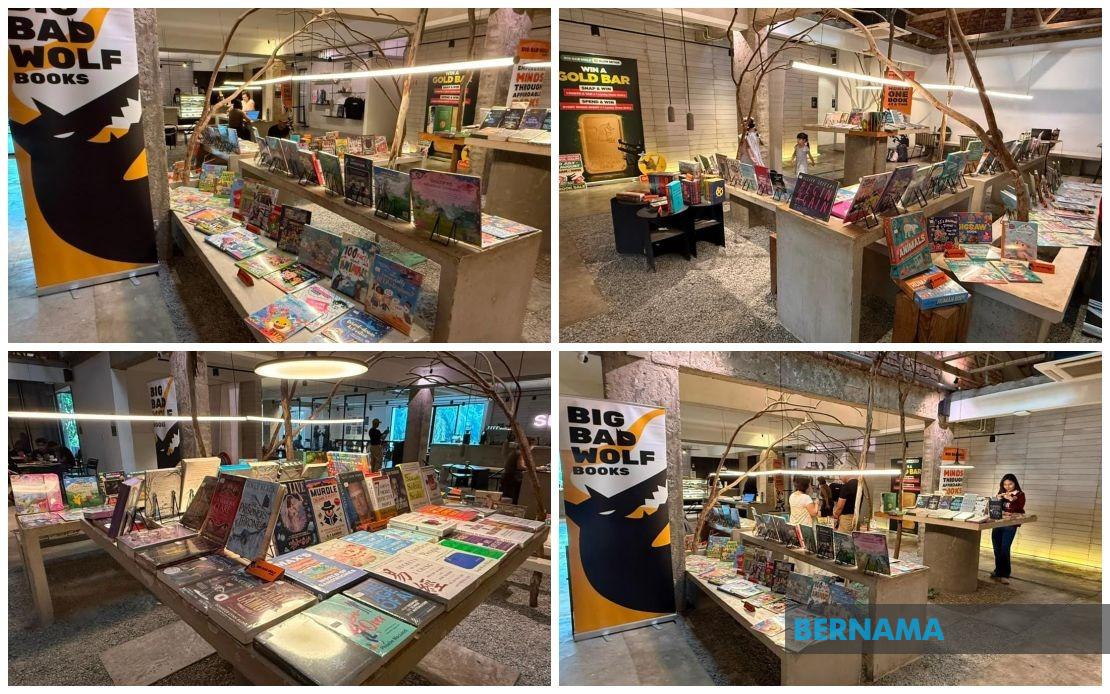
Malaysia's biggest book fair is set to make a significant impact on Kedah's literary landscape when Big Bad Wolf Books opens in Alor Setar later this month, bringing with it a curated collection designed to cater to diverse reader preferences across the state. The 11-day extravaganza, scheduled to run from July 30 through August 9 at Sultan Abdul Halim Stadium, marks the retailer's commitment to cementing reading as a central part of community life beyond the commercial hubs of Klang Valley and Penang. BBW representative Chloe Lim Sooi Yee indicated that the fair represents more than a standard retail event; it forms part of a deliberate strategy to nurture literacy and intellectual engagement among Kedah residents, particularly those in smaller towns and rural districts who may have limited access to affordable books.
The scale of this event underscores the publisher's confidence in the Kedah market. Organisers expect roughly one million volumes to be available for purchase, with base pricing set at just RM3 to ensure accessibility remains paramount. The pricing structure reflects BBW's established philosophy of democratising reading material, a particularly significant approach in a state where income levels and educational spending vary considerably across communities. Discounts reaching up to 95 per cent on selected titles will further expand purchasing power, effectively placing quality reading material within reach of budget-conscious families, students, and pensioners alike.
A notable development this year involves the introduction of the 'Little Ummah' Islamic children's books series to the Kedah market for the first time. This move acknowledges the specific cultural and religious preferences of a substantial portion of the state's population while demonstrating that inclusive, culturally sensitive programming drives engagement. By bringing titles that reflect the values and interests of Muslim families in Kedah, the fair positions itself as attuned to local sensibilities rather than imposing a one-size-fits-all approach. The collection signals recognition that diverse communities thrive when their interests are reflected in available offerings.
Beyond inventory, BBW is deploying a multi-pronged promotional strategy to drive attendance and foster genuine engagement with reading rather than mere transactions. Partnerships with local schools represent a cornerstone of this approach, as Lim noted that organisers will visit educational institutions to promote the fair directly to students and educators. The five per cent additional discount available to students and teachers who purchase at least three books creates a financial incentive that acknowledges the unique position educators hold in cultivating lifelong readers. This recognition of the teacher's role reflects understanding that institutional support and recommendation carry outsized influence on young readers' decisions.
The 'spend and win' and 'snap and win' campaigns introduce gamification elements designed to transform shopping into an experiential event. The prospect of winning a 10-gramme gold bar—a tangible, culturally valued prize—generates excitement and conversation, potentially driving repeat visits and word-of-mouth promotion within communities. Such campaigns prove particularly effective in markets where entertainment and shopping experiences often intertwine, and where promotional events become social occasions rather than purely transactional encounters.
Operational details reflect attention to visitor convenience and accessibility. The venue operates from 10am to 10pm daily, spanning early morning shoppers through evening browsers, while free admission removes financial barriers to entry. This extended operating window is crucial in Alor Setar's context, where traffic patterns, school schedules, and work routines differ from urban centres. The timing also accommodates workers with irregular shifts and families juggling multiple responsibilities.
BBW's targeting of 35,000 visitors over the 11-day period suggests realistic market assessment. This figure, if achieved, would represent meaningful penetration of Alor Setar's population while remaining achievable given the fair's track record in other states. Successful execution could establish precedent for expanded Kedah engagement, potentially leading to permanent or semi-permanent retail presence that extends benefits beyond the temporary event.
For Malaysian readers and policymakers, this initiative highlights how private sector investment in cultural infrastructure serves public interest. The book fair model addresses genuine gaps in affordable access to diverse titles, particularly outside major metropolitan areas. Kedah, while home to over 1.8 million people, often receives less commercial attention from retailers compared to Selangor or Perak, making initiatives like BBW's expansion particularly valuable for redressing literary disparities.
The timing is instructive as well. Occurring during school holidays, the fair aligns with periods when families make recreational outings and parents seek educational alternatives to screen time. This natural timing window maximises potential family visits and makes books attractive as holiday gifts and leisure activity rather than framing reading as purely educational obligation.
Looking forward, BBW's emphasis on cultural literacy—reflected in the Islamic children's collection and emphasis on community engagement—positions reading within broader conversations about identity, values, and belonging. In contemporary Malaysia, where cultural expression and identity questions remain prominent, positioning books as accessible platforms for exploring diverse perspectives carries significance beyond commercial metrics. The fair invites Kedah residents to see reading as both personally enriching and communally important.
The integration of traditional retail with social mission—making books affordable while supporting educators and celebrating local culture—offers a model increasingly important as communities grapple with digital disruption and changing consumption patterns. By treating the book fair not merely as commercial event but as cultural initiative, BBW demonstrates that commerce and community interest can genuinely align, benefiting all stakeholders from publishers and retailers to readers and societies seeking to preserve and expand literacy.

