Changsha remains a hidden gem in China's travel landscape, overshadowed by household names like Beijing and Shanghai yet brimming with the kind of authentic cultural experiences that increasingly discerning Asian travellers seek. As the provincial capital of Hunan, a region steeped in dynasties and revolutionary history, the city presents a compelling alternative for those tired of the crowded circuits of China's megacities. The opening of direct air connectivity between Kuala Lumpur and Changsha via Malaysia Airlines, AirAsia and Batik Air has made the city substantially more accessible to Malaysian visitors, removing the friction that previously required multiple connecting flights. For regional travellers, this development represents a significant opportunity to explore a destination that blends archaeological significance, natural beauty and culinary distinction without the overwhelming scale of Shanghai or Beijing.
The Hunan Museum stands as the essential starting point for any Changsha itinerary, functioning as both a repository of provincial identity and a world-class archaeological institution. The museum's collection exceeds 540,000 artefacts, a staggering figure that speaks to the scale of human civilisation concentrated in this single province across millennia. The centrepiece, however, remains the Mawangdui Han Tombs collection—unearthed during the early 1970s, these burial chambers belonged to Li Cang's family circle, with Li Cang serving as chancellor of the Changsha Kingdom during the Western Han Dynasty. The excavation yielded more than 3,000 relics of extraordinary preservation, including intricately woven silk garments, detailed paintings and ancient manuscripts that survived two thousand years underground. Most remarkably, the museum preserves the physical remains of Lady Dai, Li Cang's wife, whose mummified body demonstrates an exceptional state of conservation that has made it one of archaeology's most significant discoveries globally. Beyond this centrepiece, visitors encounter extensive displays of porcelain, landscape paintings and calligraphic works spanning different historical periods, creating a comprehensive narrative of Hunan's artistic and cultural evolution.
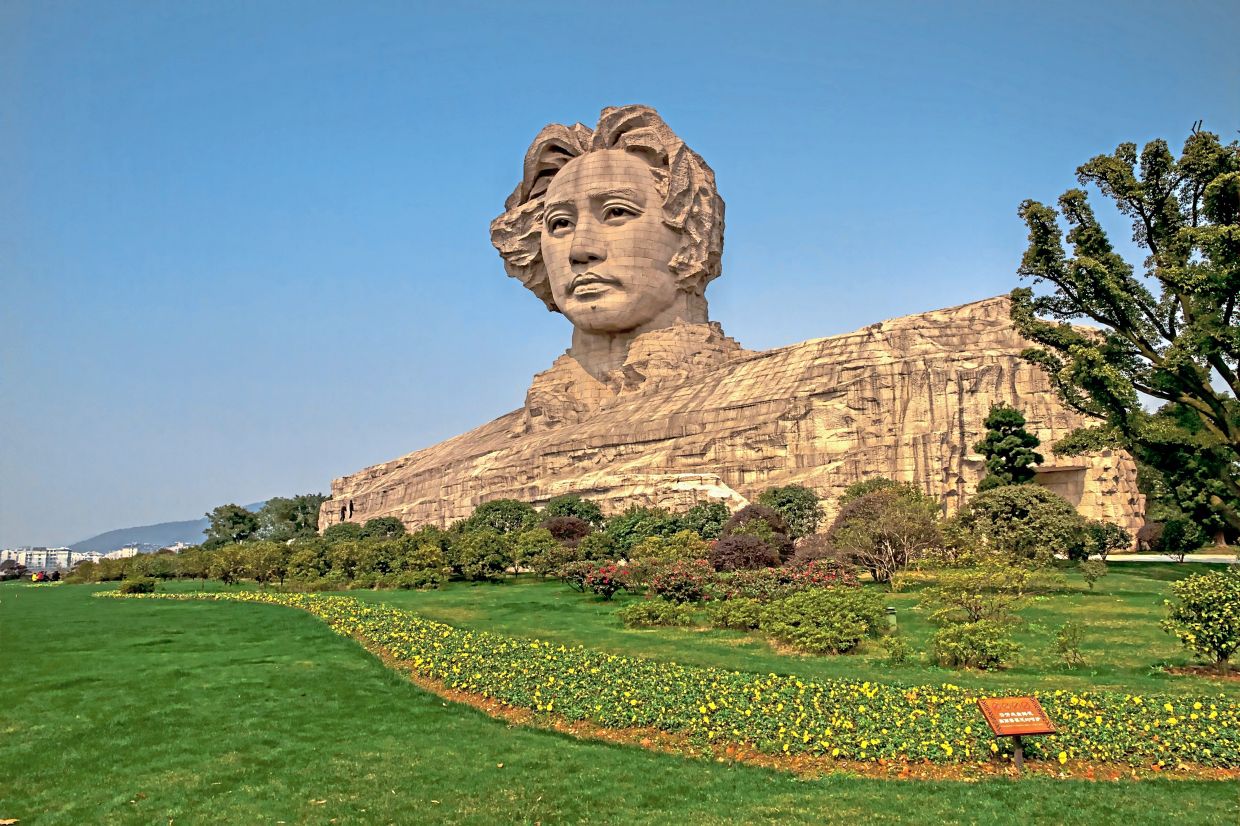
Orange Isle, also known as Juzizhou Island, occupies a unique position in Changsha's geography and popular consciousness. Stretching through the centre of the Xiang River, this substantial landmass functions as both horticultural reserve—the island cultivates orange orchards that hint at its agricultural heritage—and contemporary recreational destination. Modern visitors discover a thoughtfully landscaped park rather than a commercialised theme space, with extensive cycling paths, walking routes and picnic facilities that attract both locals and tourists. The island's most iconic feature is an imposing stone sculpture depicting a youthful Mao Zedong, commemorating his formative years in Changsha when his revolutionary ideology took shape. For Malaysian visitors familiar with different aesthetic traditions, the landscape design itself merits attention, blending traditional Chinese garden principles with contemporary park management. Evening visits prove particularly rewarding, as the Changsha skyline transforms with illuminated buildings reflecting across the river, creating photogenic vistas that reward the modest admission fee and transport time required to reach the island.
Jinggang Ancient Town represents a counterpoint to urban Changsha, situated approximately fifty minutes' drive from Orange Isle. This settlement dates back over a millennium, having served historically as a commercial entrepot along the Xiang River where merchants trafficked tea, silk and salt, accumulating wealth and cultural significance during its commercial heyday. The town's architectural fabric remains substantially intact, with traditional courtyard residences, functioning temples, historical teahouses and artisanal shops creating an atmosphere of genuine antiquity rather than reconstructed nostalgia. Walking the town's cobblestone thoroughfares evokes pre-industrial commercial China more effectively than most tourist destinations, as many structures maintain original construction methods and spatial arrangements. For regional visitors, Jinggang offers a spatial and temporal contrast to the contemporary urban experience of Changsha proper, allowing immersion in the rhythms and aesthetics of historical Chinese towns before modernisation reshaped settlement patterns.
Taiping Street occupies a position as one of Changsha's oldest thoroughfares, functioning simultaneously as architectural showcase and culinary destination. The street preserves examples of the city's historical building styles while housing restaurants and food stalls specialising in authentic Hunan cuisine—a regional tradition notable for aggressive use of chilli peppers and fermented ingredients that challenges mild palates. Local culinary signatures include stinky tofu (fermented bean curd with pungent aroma and acquired taste), spicy crayfish prepared with Sichuan peppercorns, and sugar oil cakes (fried pastries with sweet filling). For visitors uninclined toward experimental eating, numerous conventional cafes and restaurants operate throughout the day, providing accessible alternatives. Beyond food, Taiping Street functions as the city's principal shopping district for souvenirs, with vendors offering handcrafted items, locally produced tea varieties and regional snacks that serve as takeaway representations of Hunan's material culture.
Du Fu Pavilion stands on the Xiang River's banks as a monument to one of classical Chinese literature's greatest figures—Du Fu, a Tang Dynasty poet who spent his final years in Hunan. The pavilion exemplifies traditional Chinese architectural aesthetics, featuring multi-storey wooden halls with characteristic sweeping roofs, intricate carved details and proportional relationships that reflect centuries of refinement. Interior spaces function as biographical and literary museum, displaying information about the poet's life journey and presenting selected works in classical Chinese calligraphy. The pavilion's upper levels offer panoramic river vistas encompassing Orange Isle and the contemporary Changsha skyline, creating a visual dialogue between historical monument and modern cityscape. For visitors with literary inclination, the pavilion provides textual context for understanding Du Fu's significance within Chinese cultural canon; for others, the architectural sophistication and river views justify the visit independent of biographical interest.
Yuelu Mountain occupies Changsha's southwestern boundary, functioning as both nature reserve and repository of educational heritage. At the mountain's base stands Yuelu Academy, one of four renowned ancient learning institutions established during China's Song Dynasty more than a thousand years ago. The academy represents exceptional preservation of pre-modern educational architecture and philosophy, operating continuously despite dynastic transitions and eventually becoming integrated within Hunan University's campus structure. From the academy's grounds, extensive walking trails ascend through forests dominated by maple and pine species, with path difficulty varying from leisurely strolls to more challenging hikes. The mountain demonstrates seasonal transformation, with autumn arrivals experiencing spectacular foliar colour changes as maple leaves transition through red and orange hues. Aiwan Pavilion, situated at a photogenic location partway up the mountain, has become the most frequently photographed site, capitalising on its position within the forest canopy and its traditional architectural form. For Malaysian visitors accustomed to tropical forest ecosystems, the temperate deciduous woodland experience offers distinct aesthetic and ecological contrast.

