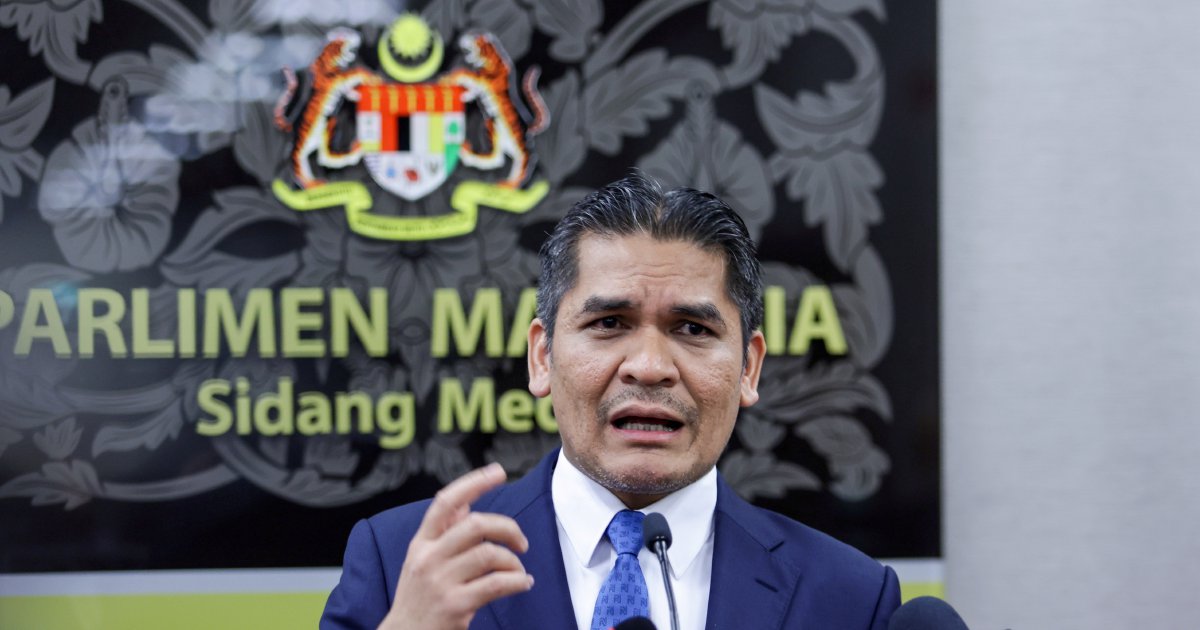
Bersatu members of Parliament will participate fully in the Dewan Rakyat's special session today to debate the Royal Commission of Inquiry report on Lembaga Tabung Haji, according to Datuk Dr Radzi Jidin, the party's secretary-general. The confirmation dispels earlier speculation that the coalition party might absent itself from proceedings examining the inquiry's conclusions on the pilgrimage fund's operations and governance.
The RCI investigation into Tabung Haji has commanded significant attention across Malaysia's political spectrum, given the institution's importance to Muslim pilgrims seeking to perform the hajj to Mecca. The commission was established to examine the fund's management, investment decisions, and operational transparency following public concerns about its financial performance and administrative practices. Today's parliamentary sitting represents a crucial juncture where lawmakers will scrutinise the inquiry's findings and hold the government accountable for addressing any deficiencies identified.
Radzi Jidin's statement carries weight given Bersatu's pivotal position within Malaysia's governing coalition. The party's presence and active engagement in parliamentary debates shape policy discourse and demonstrate the coalition's unity on critical national matters. By affirming that Bersatu MPs will attend, the party signals its commitment to constructive participation in legislative processes and its willingness to engage transparently with institutions that affect ordinary Malaysians' savings and religious obligations.
The special sitting assumes particular significance for Malaysian Muslims who have entrusted their funds to Tabung Haji over decades. For many, the hajj represents a lifelong aspiration that requires disciplined saving through the institution's dedicated scheme. Consequently, the RCI's examination of how the fund manages these resources carries emotional and financial weight extending beyond typical governance concerns. Parliamentary debate on the findings will reflect whether lawmakers take seriously the responsibility of safeguarding Malaysians' pilgrimage savings.
Tabung Haji's operational challenges have evolved considerably over recent years, with the fund facing headwinds from volatile investment markets, administrative pressures, and changing hajj regulations that affect revenue flows. The RCI investigation likely examined these structural challenges alongside specific management decisions and accountability mechanisms. Today's session will determine whether parliament crafts a coherent reform agenda addressing both immediate concerns and long-term sustainability.
Bersatu's commitment to attending reflects broader coalition stability considerations. In Malaysia's current political configuration, where majorities depend on coalition cohesion, parties must demonstrate reliability on significant legislative matters. Walkouts or boycotts during important parliamentary sittings risk projecting disunity and undermine the government's credibility on matters requiring decisive action. By attending today's session, Bersatu reinforces its standing as a serious coalition partner.
The RCI mechanism itself represents an important institutional tool in Malaysia's governance framework. Royal Commissions of Inquiry enable systematic investigation of matters affecting public interest when standard oversight channels prove insufficient. Tabung Haji's scale—serving millions of Malaysians across income groups—justifies this elevated scrutiny. Parliamentary examination of RCI findings ensures that investigations translate into tangible reforms rather than remaining administrative documents gathering dust.
For Malaysian pilgrims awaiting hajj allocations and those planning future pilgrimage arrangements, today's debate will offer insight into parliament's seriousness regarding fund rehabilitation. The session may highlight management changes, regulatory amendments, or investment strategy revisions intended to strengthen Tabung Haji's operations. Whether lawmakers propose concrete remedies or merely offer commentary will reveal the government's commitment to addressing identified shortcomings.
The broader Southeast Asian context adds another dimension to parliamentary scrutiny of Tabung Haji. Regional Islamic finance institutions face similar pressures balancing fiduciary responsibilities with social mandates. How Malaysia's political institutions address Tabung Haji governance issues may influence approaches across ASEAN nations managing comparable structures. Transparent parliamentary debate signals that Islamic financial institutions deserve governance standards comparable to conventional counterparts.
Radzi Jidin's statement also reflects Bersatu's calibration of political messaging. By preemptively confirming attendance, the party avoids perception of obstruction while maintaining room to criticise specific RCI findings or government responses. This positioning allows Bersatu to exercise meaningful opposition within coalition parameters—supporting overarching accountability while reserving judgment on particular recommendations.
Parliamentary proceedings on the RCI report will likely expose divergent views within government regarding reform priorities and implementation timelines. Some lawmakers may prioritize immediate accountability mechanisms, while others emphasize operational continuity to minimise disruption to pilgrims' savings. Today's debate will reveal whether these competing concerns can be reconciled into coherent policy direction.
The Dewan Rakyat's engagement with the Tabung Haji RCI findings underscores parliament's role as a forum for public accountability and policy refinement. When institutional investigations conclude, parliamentary debate provides citizens visibility into how their representatives intend addressing identified problems. Bersatu's attendance ensures all coalition perspectives receive expression during this critical examination.

