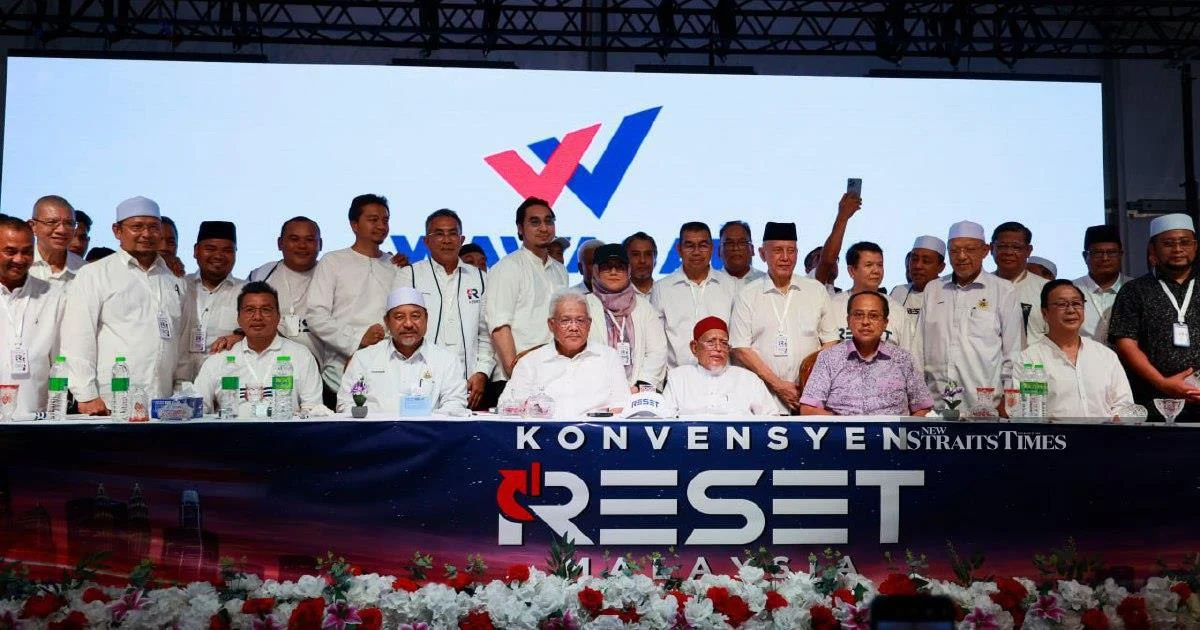
Perikatan Nasional finds itself embroiled in a fresh constitutional crisis as Bersatu mounted a legal challenge against the coalition's emergency Supreme Council proceedings conducted on Monday evening. The dispute centres on whether PN chairman Muhyiddin Yassin possessed sufficient authority to convene and expedite the meeting without proper notice to member parties, throwing the entire coalition's decision-making apparatus into question.
At the heart of the controversy is the admission of Wawasan into PN, a move that Bersatu contends was rushed through without adhering to established protocols. The timing of the emergency meeting and the accelerated approval process has raised concerns about governance standards within the opposition coalition, which has struggled with internal cohesion since its formation ahead of the 2022 general election. For Bersatu, the incident represents a broader pattern of centralised decision-making that sidelines smaller component parties in the coalition's strategic direction.
The legal questions raised by Bersatu carry significant implications for how PN operates as a coalition structure. Unlike formal coalition agreements that specify advance notice periods and consensus-building requirements, emergency procedures can vary depending on a coalition's internal bylaws. Bersatu's challenge essentially tests whether the PN constitution permits a chairman to unilaterally call urgent meetings and whether the membership threshold for emergency sessions was properly satisfied on Monday night. These procedural details, while technical in nature, determine whether decisions carry legitimacy among member parties.
For Malaysian observers, the internal friction within PN reflects broader tensions within the opposition bloc. Since the 2022 election, PN has positioned itself as a distinct alternative to Pakatan Harapan, yet internal disputes over admission of new parties, resource allocation, and strategic positioning have frequently surfaced. The Wawasan admission, intended presumably to strengthen PN's electoral appeal or parliamentary representation, instead triggered the very internal fracturing that undermines coalition effectiveness. Bersatu's willingness to publicly challenge the chairman's authority suggests deeper grievances about influence and decision-making power within PN's structure.
Muhyiddin Yassin's leadership of PN has weathered multiple challenges since taking the helm, ranging from party defections to disputes over electoral strategy. The current controversy represents another test of his ability to maintain coalition unity while implementing his strategic vision. How he responds to Bersatu's legal objections—whether through clarification of procedural compliance, negotiation, or further controversy—will shape perceptions of his stewardship and PN's viability as a coherent political force.
The admission of Wawasan itself warrants examination in the context of PN's strategic objectives. The coalition has consistently sought to expand its representation and broaden its appeal beyond its core component parties, particularly to regain relevance following the 2022 election defeat. New party admissions typically aim to add parliamentary seats, bring fresh electoral constituencies, or demonstrate momentum. However, the manner of Wawasan's admission—through an emergency procedure that bypassed standard deliberation—suggests either extraordinary urgency or insufficient consensus among existing members regarding the decision's merit.
Bersatu's position as PN's largest component party gives its objections particular weight. As the party that initially convened PN and contributed the most parliamentary seats, Bersatu maintains disproportionate influence over coalition direction. When Bersatu publicly questions a decision, it signals that the party feels insufficiently consulted or that its interests have been subordinated to the chairman's preferences. This dynamic mirrors earlier tensions within the coalition, suggesting structural issues with how PN balances individual party autonomy with coalition cohesion.
The incident also reflects lessons from PN's earlier incarnation under Mahathir Mohamad, when coalition governance similarly faced challenges from parties feeling marginalised or excluded from key decisions. Political coalitions in Malaysia historically struggle with maintaining unity when power concentrates in the hands of a single leader or party. The federal system of divided powers finds expression within coalitions, where member parties jealously guard their prerogatives and resist centralising tendencies by larger parties or respected figures.
Regionally, PN's internal difficulties have implications for opposition politics across Southeast Asia. As Malaysia's political opposition seeks relevance, internal fractures weaken its effectiveness in scrutinising government policies or presenting alternative governance visions. Malaysian voters assessing whether to support opposition parties must evaluate whether PN offers stable, coherent leadership or is merely a temporary alliance of convenience. Bersatu's legal challenge forces these questions into public discourse, potentially affecting public confidence in opposition coalitions generally.
Moving forward, the resolution of this dispute will establish precedent for future PN decision-making. Should courts or internal arbitration mechanisms side with Bersatu, it constrains the chairman's emergency powers and reinstates consensus-based procedures that favour larger parties. Conversely, if the emergency meeting's legality is upheld, it validates expedited procedures that could become standard practice. Either outcome carries consequences for PN's internal balance and operational efficiency as an opposition coalition navigating Malaysia's complex political landscape.