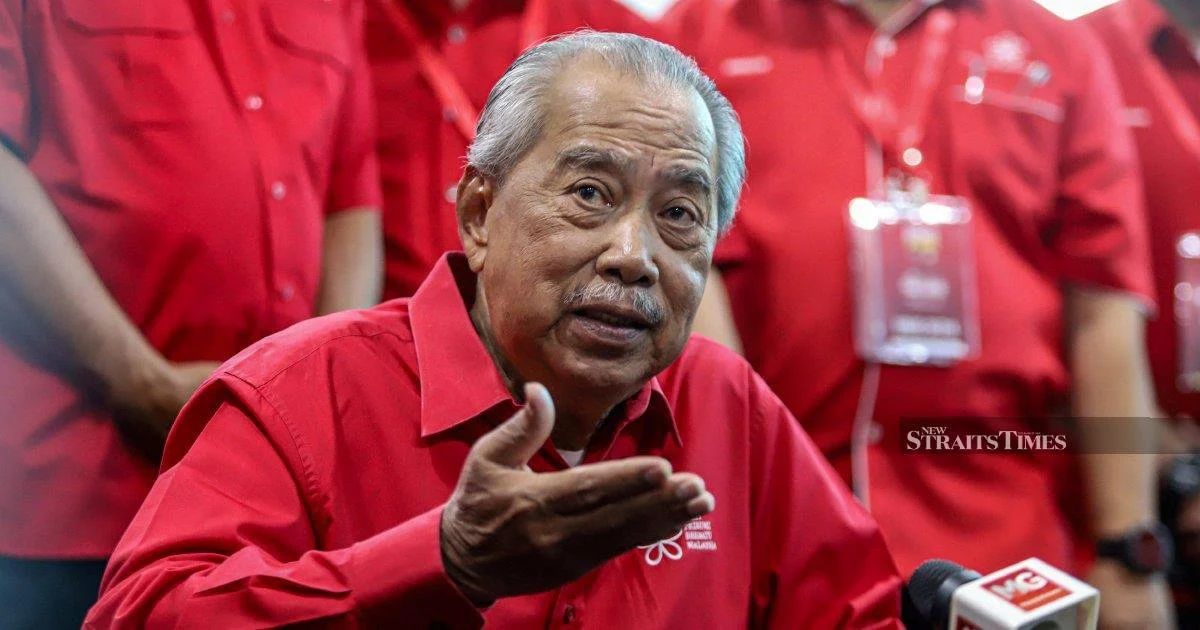
Bersatu has publicly expressed dismay at Pas for pursuing direct political negotiations with Barisan Nasional independently, without first consulting or including other component parties within the Perikatan Nasional coalition framework. The reproach signals deepening friction within the opposition alliance that has long struggled to maintain unity across its diverse membership base.
The complaint centres on what Bersatu perceives as a unilateral approach to strategic discussions ahead of the Negri Sembilan state elections, with Pas apparently pursuing separate backroom channels with the ruling coalition without consensus from its PN allies. Such bilateral engagement, without coordination among all member parties, undermines the principle of collective decision-making that the opposition bloc nominally operates under.
The grievance reflects ongoing structural tensions within Perikatan Nasional, which was formally established to challenge Barisan Nasional's traditional dominance. Since its formation, the coalition has grappled with reconciling the sometimes competing interests of its constituent parties—Pas, Bersatu, and smaller allies. The coalition's leaders have repeatedly acknowledged the need for transparent communication mechanisms, yet substantive cracks periodically emerge when individual parties pursue parallel tracks.
For Malaysia's broader political landscape, such internal discord matters considerably. Negri Sembilan presents a meaningful test case for opposition cohesion. The state has historically tilted towards Barisan Nasional, and any fracturing within Perikatan Nasional could hand additional advantages to the ruling coalition by allowing it to exploit divisions and pick off individual alliance members through targeted offers or accommodations.
Pas, as the largest Islamic party in Malaysia and traditionally the strongest PN constituent by electoral machinery, often wields disproportionate leverage within coalition discussions. The party's decision to initiate separate talks with Barisan Nasional may reflect confidence in its own negotiating position, or alternatively, frustration with consensus-building slowness within a multi-party framework. However, such unilateral moves inevitably provoke resentment from smaller allies who feel excluded from critical strategic decisions.
Bersatu's public complaint represents an unusual escalation of intra-coalition tension. Rather than resolving disputes through private channels, the party has chosen to air grievances in the open, signalling that normal coordination mechanisms may have broken down. This approach carries risks, as public squabbling between opposition parties typically plays directly into the ruling coalition's hands by reinforcing narratives that the opposition remains too fractious to govern.
The timing of this disagreement—ahead of a state election—proves particularly problematic for Perikatan Nasional's election prospects. Voters observe coalition infighting and question whether opposition parties can genuinely work together on governance matters if they struggle to maintain discipline during electoral campaigns. Barisan Nasional campaigns can exploit such visible discord by portraying themselves as the more stable, unified alternative.
For Malaysia's broader opposition ecosystem, the Bersatu-Pas clash underscores a fundamental challenge: opposition coalitions depend entirely on voluntary cooperation among independent parties with divergent ideologies and interests. Unlike ruling coalitions, which benefit from state machinery and patronage networks that encourage discipline, opposition alliances must rely on goodwill and perceived mutual benefit. When larger parties like Pas move unilaterally, smaller partners like Bersatu lack effective mechanisms to enforce compliance beyond public criticism and implicit threats of coalition withdrawal.
The Negri Sembilan contest thus becomes a bellwether for Perikatan Nasional's viability as a long-term political force. If the coalition cannot maintain basic coordination discipline during electoral contests, questions will intensify about whether it represents a credible governmental alternative. Strategic decisions made in the coming weeks—whether Bersatu and Pas can reconcile their differences, whether other PN members weigh in publicly, and whether the coalition presents a unified platform to Negri Sembilan voters—will significantly influence perceptions of the opposition's readiness for power.
The controversy also reflects deeper questions about consensus-building in Malaysian coalition politics. Barisan Nasional historically maintained dominance through hierarchical control and patronage distribution from the federal centre. By contrast, Perikatan Nasional aspires to function as a more democratic, federal structure where no single component dominates. Yet democracy and consensus-building require investment in institutional frameworks—steering committees, dispute resolution mechanisms, shared strategic planning processes—that the coalition appears still to be developing imperfectly.
Regional implications extend beyond Malaysia's immediate electoral cycle. Southeast Asian opposition movements often struggle with similar coalition management challenges. How Perikatan Nasional navigates the Bersatu-Pas tension may offer instructive lessons—positive or negative—for other regional opposition blocs attempting to challenge incumbent coalitions.
Moving forward, both Bersatu and Pas face critical choices about whether coalition unity or autonomous negotiating flexibility takes priority. The next few weeks will reveal whether private reconciliation talks resolve the disagreement, whether either party escalates by threatening withdrawal, or whether uncomfortable compromise allows both to proceed with the Negri Sembilan campaign under an uneasy truce. The outcome will substantially shape not only election results in one state, but broader perceptions of opposition coalition governance.

