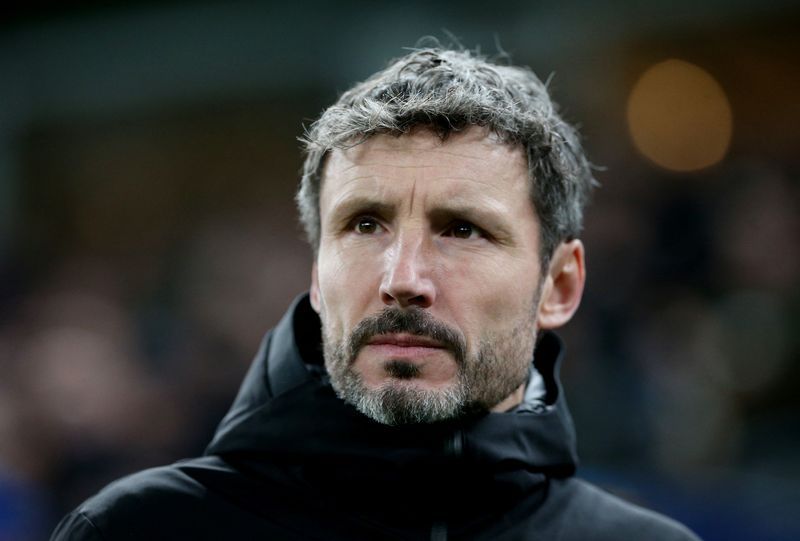
Mark van Bommel, Belgium's freshly installed national team coach, has firmly closed the door on any possibility of switching allegiance to the Netherlands despite ongoing speculation that his native country might come calling. Speaking at his inaugural press conference since taking charge last month, the 49-year-old Dutch tactician made clear that the opportunity to lead Belgium was too compelling to pass up, regardless of what might materialize with the Dutch Football Association's vacant position.
The Belgium job materialised at an opportune moment for Van Bommel, who has spent recent years sifting through various managerial offers without finding a project that ignited his ambition. His appointment comes as the Belgian Football Association seeks fresh direction following Rudi Garcia's departure, a decision made after the squad's quarter-final exit from the recent World Cup campaign. For Van Bommel, a former defender who graced the defences of Barcelona, Bayern Munich and AC Milan during his playing career, the prospect of steering a nation boasting elite talent proved irresistible. He even represented the Dutch in their 2010 World Cup final appearance, giving him intimate knowledge of international football at the highest echelon.
When pressed directly about whether he had entertained the notion of waiting for a Netherlands opportunity, Van Bommel was unambiguous in his response. The lure of coaching at national team level, particularly with a squad containing world-class players, represents one of the pinnacle positions available in professional football management. Not every coach gets such an invitation, and Van Bommel emphasized that truly elite footballing nations remain limited in number. The chance to work with Belgium's constellation of talent—a squad that has established itself as a genuine European force over the past decade—demanded immediate acceptance rather than speculation about hypothetical alternatives.
Van Bommel's philosophy centres on winning and progressive ambition, though he tempered expectations with pragmatism about the realities of international football. He acknowledged that Dutch football culture often projects bold declarations of world championship aspirations, but he views such pronouncements as premature without acknowledging the numerous variables influencing tournament outcomes. Rather than making grandiose claims about capturing European Championship glory, Van Bommel prefers allowing his team's performances to speak for themselves as Belgium navigates the challenging calendar ahead. His focus remains on consistent progress through each competition rather than pre-tournament bombast.
Belgium's immediate schedule demands careful navigation, beginning with Nations League fixtures that will shape the team's trajectory over the coming months. Van Bommel's first competitive engagement as Belgian coach will arrive on September 25 when his squad travels to Rome to face Italy, a formidable opponent that will test the new manager's tactical acumen immediately. The September and October international windows bring further challenges against Turkey in two matches and a single encounter with France, creating a demanding introduction that will rapidly establish whether Van Bommel can guide the transition from Garcia's tenure smoothly. These matches carry significance beyond mere friendlies, as they feed into competitive European rankings and provide crucial data about squad composition and player form.
One pressing issue already commanding Van Bommel's attention concerns goalkeeper Thibaut Courtois, the Real Madrid custodian who declared his intention to step back from international football following the World Cup. Rather than issuing ultimatums or attempting to pressure Courtois into an immediate decision, Van Bommel has adopted a measured approach that respects the goalkeeper's emotional and physical need for breathing space. The coach indicated that meaningful dialogue with Courtois cannot occur during the international break but will take place once the shot-stopper returns to full training with his club. This patient strategy acknowledges that Courtois, having endured an intense World Cup campaign, requires time to reassess his commitments before making definitive decisions about his international future.
Van Bommel's willingness to engage in genuine conversation with Courtois rather than issuing ultimatums reflects a more nuanced understanding of modern international football management. Player welfare and retention depend increasingly on coaches who respect athletes' autonomy and personal circumstances. By avoiding rushed judgments and creating space for reflection, Van Bommel signals to his squad that he values their perspectives and recognizes the extraordinary demands placed upon elite footballers juggling club and country obligations. Courtois may well reconsider his position once recuperated, or he may confirm his desire for extended absence; either way, the dialogue will proceed from a position of mutual understanding rather than confrontation.
Belgium enters a transition phase under new leadership at a moment when the squad contains still-formidable talent despite the natural aging process affecting some key players. The European Championship represents the next major tournament horizon, providing Van Bommel with approximately eighteen months to build team cohesion and tactical framework. His experience navigating elite European club environments—both as a player and increasingly as a manager—equips him with perspective on the standards demanded at international level. The challenge now involves channelling Belgium's remaining strengths while gradually integrating emerging talent into the squad architecture, a balance that frequently determines whether national teams sustain competitive relevance through tournament cycles.

