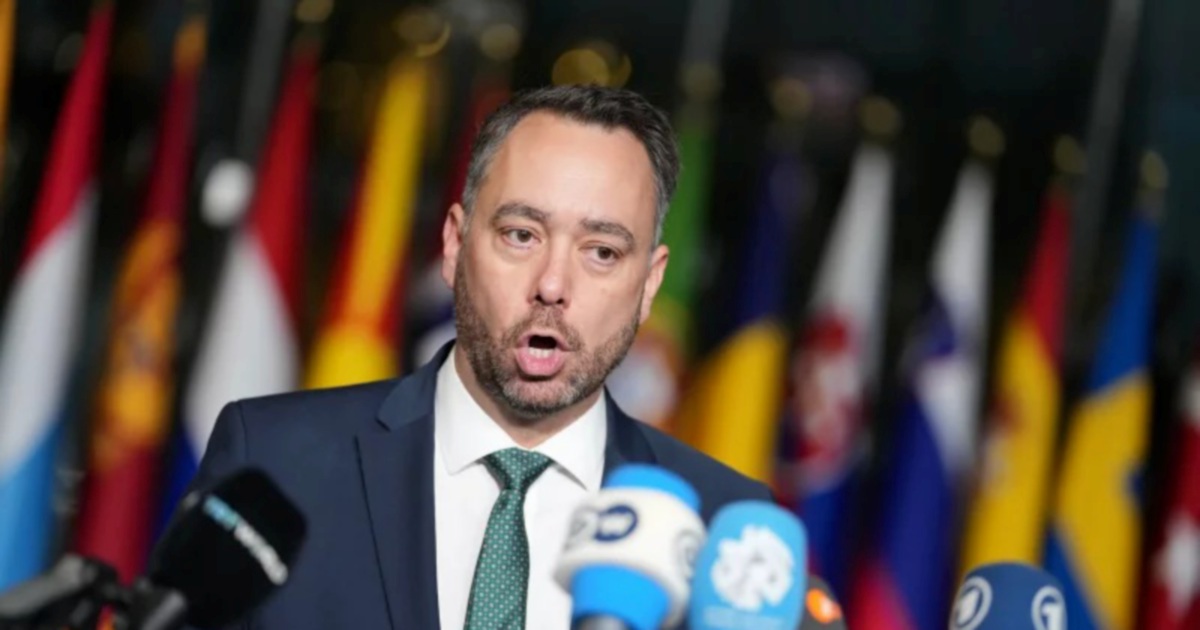
Belgium's Deputy Prime Minister and Foreign, European Affairs and Development Cooperation Minister Maxime Prevot arrives in Malaysia tomorrow for a two-day working visit centred on deepening bilateral cooperation across three strategically important sectors. The high-level engagement signals Brussels' growing interest in strengthening ties with Southeast Asia's largest economy and reflects the expanding diplomatic footprint of smaller European nations in the region.
The forthcoming discussions will concentrate on renewable energy collaboration, an area of mutual interest as both nations navigate the global transition away from fossil fuels. Malaysia, endowed with substantial solar potential and increasingly investing in wind and hydroelectric capacity, presents significant opportunities for European expertise and technology transfer. Belgium, home to advanced renewable energy and smart grid technologies, views the partnership as mutually beneficial—providing Malaysian partners access to cutting-edge solutions whilst creating commercial opportunities for Belgian companies in one of Asia's most dynamic markets.
Rare earth elements constitute another focal point of the talks. These materials remain critical for manufacturing everything from wind turbines and electric vehicle motors to electronics and military applications. Southeast Asia's prominence in processing and refining rare earths, combined with growing Western demand for supply chain diversification away from China's dominance, has elevated these discussions to geostrategic importance. Malaysia's positioning within regional supply chains and its downstream rare earth processing capabilities make it an attractive partner for European nations seeking to secure supplies and reduce dependency on single-source suppliers.
The halal industry dimension underscores Belgium's recognition of Malaysia's status as a global leader in halal certification, logistics, and manufacturing. As the world's Muslim population exceeds 1.8 billion consumers, the halal market represents a multi-trillion-dollar opportunity spanning food, pharmaceuticals, cosmetics, and finance. Belgium's sophisticated manufacturing base and export-oriented economy stand to benefit from deeper engagement with Malaysian standards-setting bodies and certification frameworks that could unlock access to broader halal supply networks across the Islamic world.
Bilateral economic relations between the two countries remain modest compared to Malaysia's engagement with larger European powers, yet the visit reflects a deliberate European strategy to cultivate relationships with rising Asian economies outside traditional diplomatic circles. Belgium, whilst small in population, punches above its weight through its headquarters status for major international institutions and its role as a gateway to European markets. For Malaysian policymakers, such engagements provide opportunities to diversify partnership portfolios beyond Asia's regional powers.
The renewable energy discussion occurs against Malaysia's stated ambitions to achieve carbon neutrality by 2050 and boost renewable energy capacity to 40 per cent of its power generation mix by 2035. Currently, fossil fuels remain dominant in Malaysia's energy portfolio, though recent government initiatives have accelerated renewable energy procurement through competitive bidding processes. European technological partners can facilitate this transition whilst contributing to Malaysia's industrial competitiveness in manufacturing renewable energy components for regional distribution.
From Belgium's perspective, these sectoral discussions align with the European Union's broader strategic autonomy agenda, which emphasises reducing critical dependencies and building resilience through diversified partnerships. Southeast Asia, with its demographic scale, economic dynamism, and resource endowments, features prominently in this recalibration. The Prevot visit, though focused on bilateral engagement, occurs within a wider European effort to enhance institutional ties with the region through upgraded dialogue mechanisms and targeted sectoral cooperation.
The timing of this visit also carries relevance for Malaysia's positioning within regional integration frameworks. As the country hosts and chairs various multilateral platforms, demonstrating capacity to attract high-level international engagement enhances its diplomatic standing. Belgium's willingness to deploy its Deputy Prime Minister signals serious intent rather than routine diplomacy, potentially opening pathways for more substantive collaboration than previous encounters.
These discussions may also explore opportunities within Malaysia's ambitious investment corridors and industrial zones, particularly those focused on manufacturing and technology. Belgian firms specialising in environmental technology, pharmaceutical production, and advanced manufacturing could find opportunities through Malaysian industrial parks and special economic zones designed to attract foreign direct investment in strategic sectors.
Looking forward, successful outcomes from the Prevot visit could establish foundations for broader EU engagement with Malaysia across multiple policy domains. The European Union remains one of the world's largest economic blocs, and deepening institutional relationships with middle-income ASEAN members like Malaysia potentially influences regional economic architecture and alignment as geopolitical competition intensifies. For Malaysian stakeholders, the visit represents both immediate commercial opportunity and longer-term positioning within an evolving international order.

