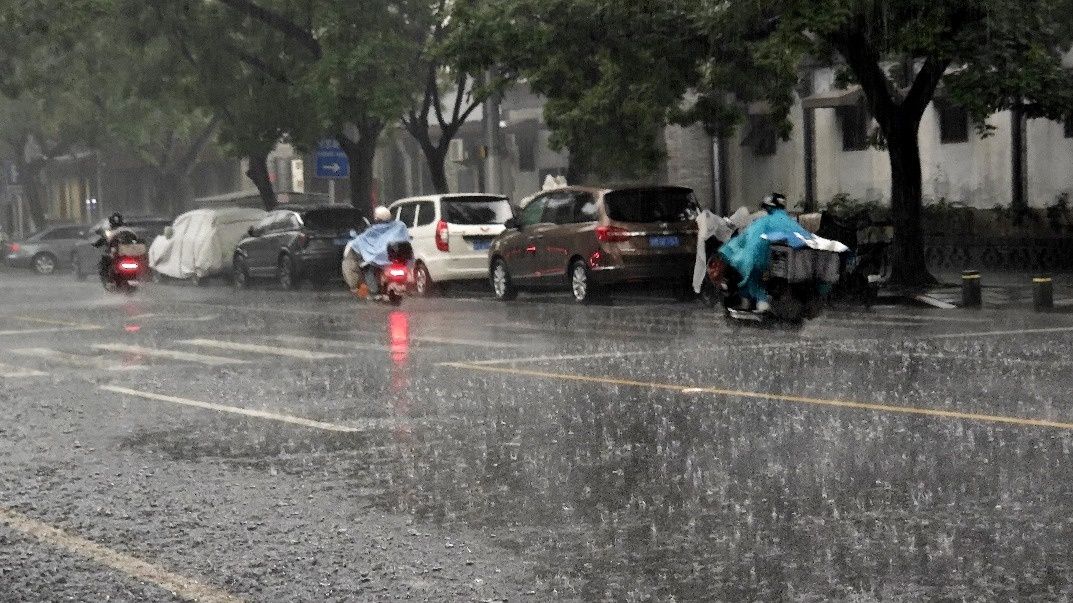
The Beijing meteorological observatory released an orange-level rainstorm alert on Thursday afternoon, marking the first warning of its severity tier since the 2026 flood season commenced. The alert, issued at 1:30 pm, prompted the city's flood control office to simultaneously activate a Level-II emergency response protocol, signalling authorities' expectation of substantial hydrological stress across the municipality during the coming days.
Meteorological forecasters have warned residents to prepare for a sustained period of intense precipitation beginning Friday at 2:00 pm and continuing through Sunday morning at 8:00 am. The city's districts of Huairou, Miyun, Pinggu, Shunyi and Fangshan are particularly targeted in the alert, with these areas expected to bear the brunt of the system's heaviest rainfall. The severity of the forecast reflects growing concerns about flooding vulnerability in sprawling Beijing, where rapid urbanisation has altered drainage patterns and heightened risks in both developed and peripheral zones.
The anticipated rainfall intensity underscores the magnitude of this weather event. Meteorologists project hourly precipitation rates in some localities could exceed 70 millimetres, while two-day cumulative totals may surpass 150 millimetres in concentrated areas. Such volumes represent considerably above-normal precipitation for the region and carry genuine risks for flash flooding, stream overflow, and surface water accumulation that can paralyse urban infrastructure and threaten lives.
Mountainous and hilly districts face particular meteorological hazard, as steep terrain channels water rapidly downslope, creating conditions conducive to debris flows and landslides. Low-lying urban areas, conversely, face waterlogging dangers where drainage systems become overwhelmed and standing water accumulates for extended periods. This dual vulnerability pattern—spanning both topographical extremes—illustrates the comprehensive nature of the flooding threat confronting the capital.
Civil authorities have issued multifaceted guidance designed to minimise human exposure to hazardous conditions. The public has been strongly discouraged from undertaking non-essential outdoor activities, with particular emphasis placed on avoiding scenic areas involving mountains or waterways, underground commercial spaces where water can trap occupants, and terrain susceptible to geological instability. Citizens are instructed to remain attentive to updated meteorological bulletins and official advisories, treating such communications as critical safety information rather than routine announcements.
Transportation behaviour has become a focal point of official recommendations. Residents are encouraged to utilise mass transit systems rather than private vehicles, reducing road congestion that typically worsens during severe weather and compromises emergency vehicle access. This guidance implicitly acknowledges the strain that simultaneous rainfall and traffic incidents can place on urban mobility and emergency response capabilities.
Employers and institutional operators face expectations to demonstrate flexibility in their operational calendars. Businesses and government entities are advised to implement flexible scheduling arrangements or stagger employee commuting periods, actions that distribute departure times and reduce peak-hour congestion during weather emergencies. Educational institutions have been permitted to suspend classes, cancel in-person training sessions, and postpone field teaching activities contingent on their assessment of local conditions, granting schools discretion to prioritise student safety.
Outdoor enterprises and construction operations face categorical suspensions. The alert mandates cessation of outdoor work activities and construction projects, preventing workers from exposure to hazardous conditions and reducing operational disruptions when emergency services may require rapid mobilisation. This blanket suspension reflects recognition that equipment, machinery, and infrastructure become liabilities during torrential downpours rather than functional assets.
China's meteorological warning architecture functions according to a four-tier classification system that contextualises the orange alert within a graduated hierarchy of severity. The red tier designates the most extreme conditions, orange represents severe threats requiring substantial precautionary response, yellow indicates moderate risk warranting preparedness measures, and blue signals the lowest alert status. By issuing an orange alert rather than yellow, Beijing's meteorological office has communicated that this rainfall event exceeds routine seasonal precipitation and demands coordinated public compliance with safety protocols.
For Southeast Asian observers and Malaysian readers with interests in Beijing or business operations across Greater China, this alert sequence reveals how sophisticated metropolitan authorities respond to meteorological crises through integrated emergency management. The coordination between weather forecasters, flood control agencies, transportation systems, employers, and educational institutions demonstrates governance capacity during environmental stress—a pattern increasingly relevant as climate variability intensifies extreme weather phenomena regionally and globally. Malaysia's own monsoon season and urban flooding challenges offer comparative context for evaluating how different administrative systems manage similar hydrological threats.

