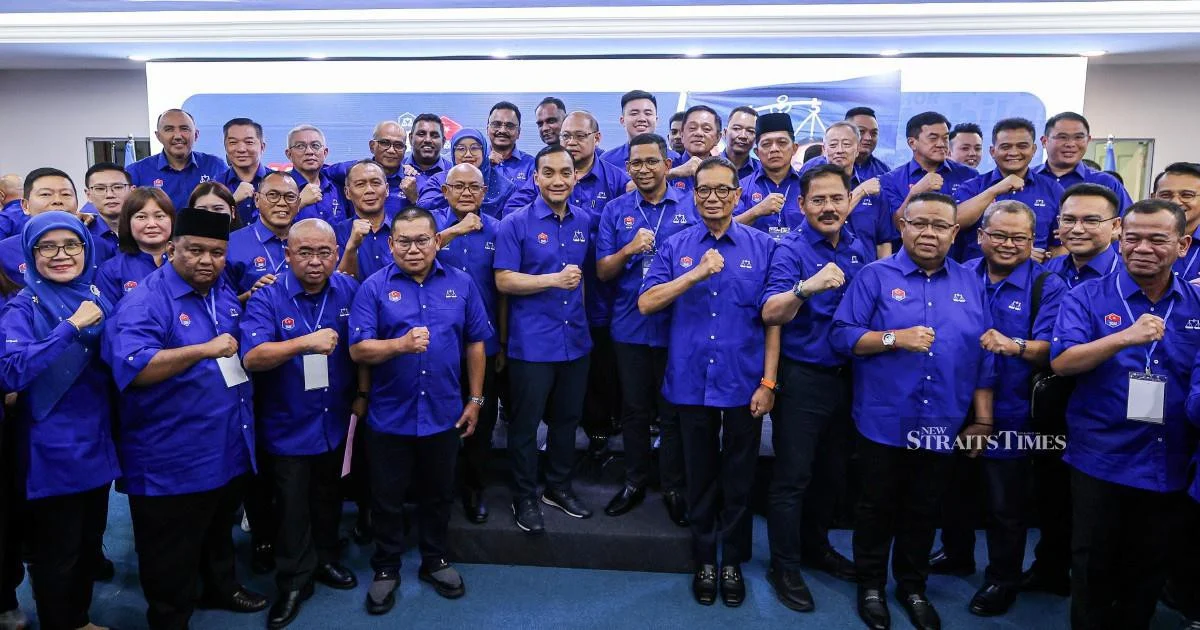
Barisan Nasional has fielded a roster of new faces across its component parties in Johor, with these candidates expressing firm determination to secure victory when the state goes to the polls on July 11. The injection of fresh candidates into battleground constituencies signals the coalition's strategy to energise its grassroots machinery and counter opposition momentum in one of Malaysia's most politically consequential states.
The emergence of these new political figures comes at a critical juncture for Barisan Nasional, which has faced mounting electoral challenges over recent years. By introducing less-experienced but potentially more dynamic candidates, the coalition appears intent on refreshing its image and appealing to younger and undecided voters who may have grown weary of familiar political faces. This generational transition within BN's structure in Johor underscores the coalition's recognition that incumbent advantages alone may prove insufficient against increasingly sophisticated opposition campaigns.
Johor's electoral importance cannot be overstated within Malaysia's broader political landscape. As the nation's second-most populous state and a traditional BN stronghold, outcomes here often foreshadow national political trends. The state election therefore carries implications far beyond Johor itself, potentially affecting momentum for future national contests and shaping the trajectory of coalition politics throughout the region.
The new candidates have collectively articulated their commitment to delivering tangible results for their constituencies, emphasizing economic development, infrastructure improvements, and strengthened social services. These messaging priorities reflect awareness among party strategists that voters increasingly prioritize bread-and-butter issues over traditional partisan loyalty. The emphasis on delivery and performance-based governance, rather than party affiliation alone, suggests that BN's candidate selection process has prioritised individuals with demonstrable track records in local governance or community service.
Within the coalition's structure, multiple component parties have contributed to this new generation of candidates, reflecting the need to maintain inter-party balance within Barisan Nasional's delicate political architecture. The diversity of these candidates across different parties also enables the coalition to present itself as an inclusive, multi-ethnic alliance—a positioning particularly significant in Johor, where demographic diversity demands nuanced political engagement.
The confidence expressed by these candidates contrasts with prevailing opinion polling and recent electoral trends that have suggested tightening contests in several Johor constituencies. This apparent disconnect between candidate optimism and objective political forecasts raises questions about whether BN's campaign strategy relies on ground-level organisational strength that quantitative surveys may not adequately capture. Historical examples from previous Malaysian elections demonstrate that grassroots mobilisation and voter turnout mechanics can sometimes produce surprising results that defy expectations.
Regional observers will be watching closely to assess whether Barisan Nasional's investment in new candidates translates into electoral gains or reflects organisational anxiety about defending historically safe seats. The July 11 election will effectively serve as a test of whether the coalition's traditional structures and political machinery remain sufficiently powerful to overcome shifting voter preferences, or whether fundamental realignment in Malaysian electoral politics has progressed further than some analysts currently assess.
The candidacy of these fresh faces also raises considerations about party democratisation and internal selection processes. If these individuals succeed in gaining elected office, they may begin reshaping Johor's political agenda and internal coalition dynamics in ways that established party figures would be unlikely to do. Conversely, if they underperform electorally, such outcomes could encourage BN to revert toward established political operators, potentially signalling that the electorate values experienced stewardship over new perspectives.
For Malaysian voters in Johor, particularly in constituencies fielding these new candidates, the July 11 election presents an opportunity to assess alternatives to established political arrangements. Whether these candidates can articulate compelling visions for their constituencies, effectively communicate policy platforms, and overcome the substantial organisational advantages typically held by incumbent politicians will substantially influence the election's outcome and broader implications for Barisan Nasional's political future.

