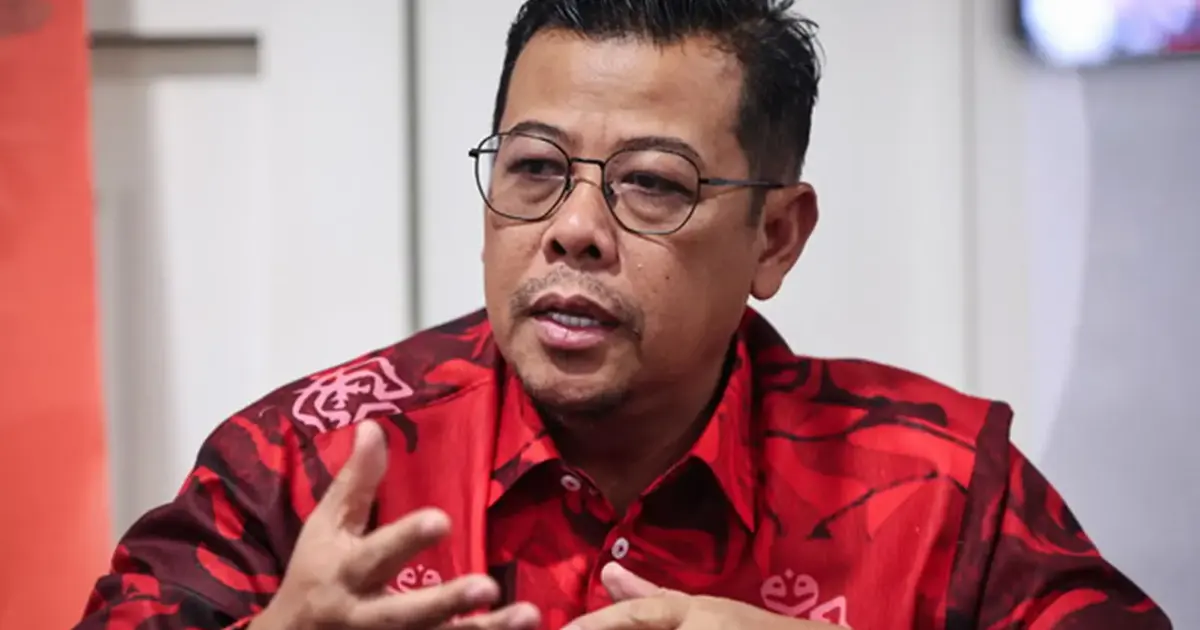
Barisan Nasional leadership has reaffirmed its preference for an informal working relationship with Perikatan Nasional rather than entering into a formally structured political coalition, according to Umno Supreme Council member Razlan Rafii. The decision reflects a strategic calculation rooted in the ruling coalition's earlier encounters with formal electoral and parliamentary pacts that have proven complicated and politically costly.
Razlan's comments shed light on the pragmatic reasoning behind Barisan Nasional's continued courtship of Perikatan Nasional without crossing into the type of binding agreement that would merge their political interests more explicitly. The two coalitions have maintained working relationships in parliament and at state levels, particularly in states where neither commands an outright majority, yet both have shied away from announcing a formal merger or consolidated electoral pact.
The Umno Supreme Council member attributed this caution directly to historical precedent, suggesting that previous formal alliances have generated internal friction, diluted individual party identity, and created complications during parliamentary business and policy formulation. Formal coalitions require extensive negotiations over seat allocations, policy positions, and leadership roles—negotiations that can unravel when conflicting interests surface or when electoral performance differs significantly across coalition partners.
Barisan Nasional's experience with formal arrangements has indeed been mixed. The coalition itself comprises multiple parties with distinct agendas, and integrating additional partners through formal mechanisms amplifies coordination challenges. By contrast, an informal understanding allows flexibility: the parties can cooperate on crucial votes without surrendering autonomy over internal decision-making or campaign strategy. This arrangement suits both Barisan Nasional and Perikatan Nasional, allowing them to maintain separate identities while avoiding direct electoral competition in key constituencies.
The informal pact model also provides political cover for both coalitions domestically. Formally merging with a rival coalition partner can provoke backlash from a party's grassroots membership, who may view such consolidation as a betrayal of their party's independence and long-term interests. Umno members, for instance, have historically resisted moves that might subordinate Umno's agenda to broader coalition frameworks, particularly when those frameworks include parties that challenge Umno's historical dominance in the Malay-Muslim political space.
Perikatan Nasional, meanwhile, has its own reasons to favor informal cooperation. The coalition includes Pas, which has built significant organisational momentum at grassroots and state levels and would be reluctant to accept formal merger terms that might limit its autonomy or elevate Umno figures above Pas leadership in a consolidated hierarchy. Similarly, Perikatan's smaller components value the ability to negotiate independently on issues directly affecting their constituencies and support bases.
From a parliamentary perspective, informal agreements serve both coalitions well. Barisan Nasional currently leads the federal government with Perikatan Nasional's crucial support on key votes; formalising this arrangement would likely require constitutional amendments or could provoke constitutional challenges that might destabilise the government. An informal understanding avoids these legal and procedural complications while achieving the practical objective of legislative stability.
Statewide, the two coalitions have managed to cooperate on governance in several instances where neither holds a decisive majority, demonstrating that informal mechanisms can function effectively even in complex political environments. This practical track record reinforces leadership confidence that informal arrangements can deliver the necessary political results without imposing the overhead and rigidity that formal coalitions demand.
Razlan's clarification also signals to Barisan Nasional's diverse membership—particularly its non-Umno components like the Malaysian Chinese Association and the Malaysian Indian Congress—that the ruling coalition remains fundamentally intact and is not dissolving into a larger entity dominated by Perikatan Nasional or any single party. This messaging is crucial for retaining support among parties whose survival depends on their relevance within the existing coalition framework.
Looking ahead, the informal arrangement allows both coalitions to reassess their relationship periodically without the complications of formally unwinding agreements. Should electoral circumstances shift dramatically or should leadership transitions occur within either coalition, the informal model permits relatively smooth realignment without requiring renegotiation of formal pacts or complicated separation agreements.
For Malaysian politics more broadly, this preference for informality reflects a maturation in coalition management, even if it remains unconventional by Westminster standards. Rather than pursue constitutionally explicit grand coalitions, Malaysia's major political forces have developed working relationships calibrated to current realities, allowing flexibility while maintaining the basic governmental stability necessary for legislative function and policy implementation.
The continuation of this informal arrangement will likely shape Malaysian politics through the next general election cycle, influencing seat negotiations, campaign strategies, and parliamentary alignments across multiple states and at the federal level.

