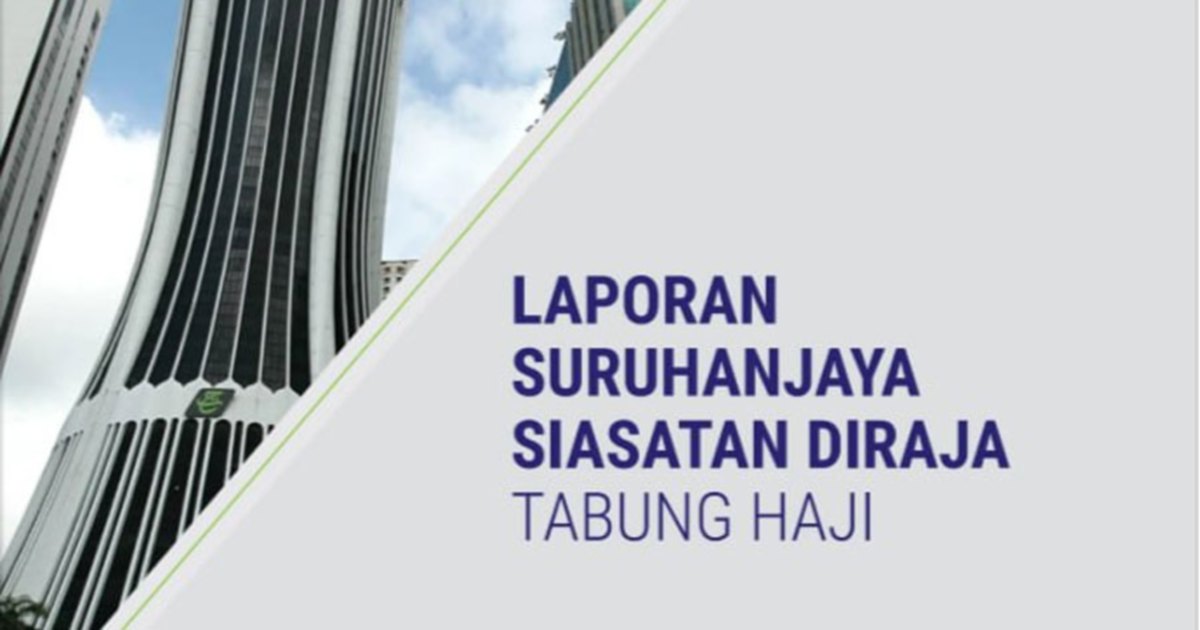
The Barisan Nasional coalition is banking on recent Royal Commission of Inquiry findings concerning Tabung Haji to fortify its political position as it heads into the Melaka state election. A senior component party leader expressed confidence that the RCI briefing would provide the coalition with valuable ammunition in its electoral push, suggesting the inquiry's conclusions could prove instrumental in shaping voter sentiment across the peninsula's southern state.
Tabung Haji, Malaysia's pilgrimage savings and investment fund, has become a lightning rod for political discourse over the past several years. The fund, which serves millions of Muslims seeking to finance their hajj pilgrimages to Mecca, faced mounting scrutiny following revelations about its financial management and investment decisions. The establishment of the RCI represented government acknowledgment that serious questions required formal investigation, reflecting widespread public concern about how the institution had stewarded depositor funds.
The timing of the RCI briefing carries considerable political significance. Melaka, a traditional Barisan Nasional stronghold, has seen its political complexion shift in recent years as voters demonstrated appetite for change during previous election cycles. By leveraging findings from an official inquiry into a fund affecting millions of Malaysian Muslims, the coalition appears strategically positioned to address lingering concerns about governance and institutional accountability that have resonated with voters across the nation.
For component parties within Barisan Nasional, the RCI report offers multiple narrative angles. If the inquiry identifies mismanagement or policy failures, the coalition can potentially position itself as the force that demanded transparency and initiated corrective action. Conversely, should the report exonerate leadership or identify limited wrongdoing, the coalition could argue that public institutions remain fundamentally sound under its stewardship. Either outcome provides rhetorical material for electoral messaging.
Tabung Haji's challenges extend beyond financial management. The fund has struggled with investment performance during periods of market volatility, raising questions about whether its portfolio strategy adequately protects the retirement and pilgrimage savings of ordinary Malaysians. These practical concerns touch directly on economic security, a theme that consistently influences voting behaviour across Malaysian demographics. Voters with money in Tabung Haji constitute a substantial electoral constituency with direct personal interest in institutional outcomes.
The Melaka election itself carries broader implications for Malaysian politics. State elections in recent years have served as barometers for national political sentiment and often presaged shifts in federal-level alignments. A strong Barisan Nasional performance in Melaka would signal resilience after the 2022 general election produced a hung parliament and complex coalition negotiations. Conversely, continued erosion of Barisan support would suggest the coalition's traditional base continues fragmentation.
Public confidence in Tabung Haji influences electoral dynamics beyond simple accounting questions. Many Malaysians view the fund as intertwined with their Islamic identity and religious obligations. When institutional trust erodes, it creates emotional and practical anxiety about whether personal savings remain secure. The RCI process itself, by formally investigating concerns, either restores confidence through transparency or confirms suspicions depending on what evidence emerges and how findings are presented to the public.
Barisan Nasional's strategic calculation appears to rest on several assumptions. First, that RCI conclusions will be favourable or at minimum defensible during electoral campaigning. Second, that voters in Melaka will reward the coalition for initiating formal accountability mechanisms rather than punish it for problems the investigation uncovers. Third, that effectively communicating the RCI's findings through party machinery and friendly media can shape voter understanding of what the report actually concludes.
The opposition, naturally, will scrutinize the RCI report for evidence of governance failures and mismanagement. How comprehensively the investigation addressed public concerns, whether recommendations prove adequate to prevent future problems, and whether implementation timelines appear credible will all factor into opposition messaging. The political value of the RCI report thus depends substantially on its contents, methodology, and the credibility observers attribute to the inquiry process itself.
For ordinary Malaysians with funds invested in Tabung Haji, the RCI's findings matter primarily as indicators of whether their savings remain secure and whether management improvements will protect future contributions. This practical concern transcends partisan politics, though electoral campaigns inevitably frame institutional accountability through political lenses. The challenge for Barisan Nasional involves converting institutional findings into electoral advantage while maintaining the appearance of principled governance rather than opportunistic politicking.
The Melaka election thus becomes a significant political moment for assessing whether Barisan Nasional's revival strategy proves effective with voters. Tabung Haji's prominence in the campaign messaging will indicate whether the coalition believes confidence in public institutions represents a winning electoral theme. As campaign season intensifies, how thoroughly parties engage with the RCI's actual conclusions—versus exploiting the inquiry process for partisan gain—will reveal whether Malaysian politics has matured toward genuine institutional accountability or merely cycles through successive scandals and inquiries with limited systemic change.

