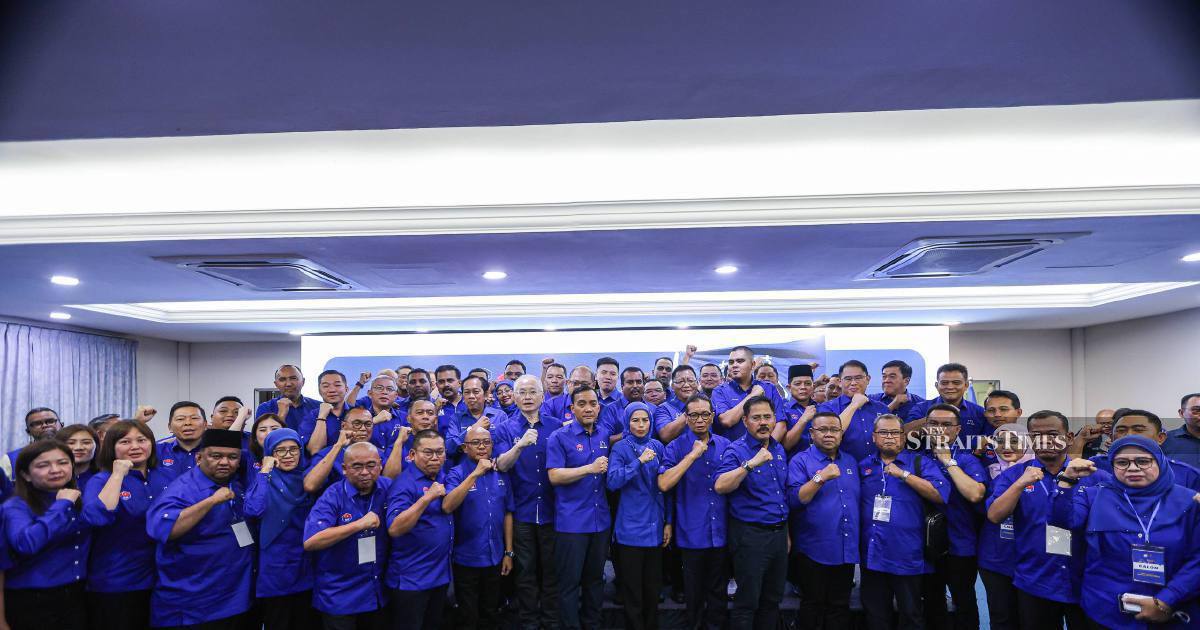
Barisan Nasional formally unveiled its complete array of 56 candidates seeking parliamentary and state assembly seats in the Johor election scheduled for July 11, a significant milestone that demonstrates the coalition's preparedness to contest all available positions in Malaysia's southernmost state. The announcement came from party headquarters in Johor Baru, reflecting the critical importance BN places on retaining control of one of the nation's most economically significant territories.
The decision to field candidates across the entire electoral map represents a strategic commitment to contest every contested seat, a move that underscores BN's confidence in its political machinery and grassroots support network. This comprehensive approach differs markedly from some previous elections where coalitions have strategically ceded certain seats to allied parties or opted for multi-cornered contests. By presenting a full slate, BN signals its intention to dominate the electoral narrative and prevent rival coalitions from capturing uncontested ground.
Johor holds substantial political weight within Malaysia's federal structure, serving as the nation's primary oil and gas producer and contributing significantly to national revenue. Control of the state government directly influences economic policy decisions, infrastructure investment, and resource management that reverberate throughout the region. The election thus transcends local politics, functioning as a bellwether for broader shifts in Malaysian electoral sentiment and coalition dynamics. A decisive BN victory would consolidate the coalition's position ahead of potential federal political developments, whereas substantial gains by opposition forces could signal realignment in voter preferences.
The timing of the election reflects ongoing political developments within Malaysia's complex parliamentary system. State elections typically occur at the government's discretion within constitutionally mandated timeframes, and the selection of July 11 suggests careful calculation regarding optimal political conditions. The specific date may coincide with favourable political circumstances, public mood assessments, or internal coalition preferences regarding campaign timing and resource allocation.
Johor's electoral landscape encompasses diverse demographic and geographic constituencies, ranging from urban manufacturing centers to rural agricultural regions and industrial zones. The 56-candidate lineup necessarily reflects attempts to balance representation across these varied communities whilst accounting for demographic shifts, voter registration changes, and evolving political preferences. BN's candidate selection process typically involves negotiations among coalition component parties, with UMNO, MCA, MIC, and other constituent organisations each receiving allocated seats.
The revelation of the full candidate roster initiates an intensive campaign phase during which parties mobilise supporters, conduct grassroots engagement, deploy campaign machinery, and navigate the regulatory framework governing electoral conduct. Malaysian election campaigns operate under established rules administered by the Election Commission, which enforces spending limits, broadcast regulations, and conduct standards designed to maintain electoral integrity and prevent abuse of government resources.
Opposition coalitions, including Pakatan Harapan and potentially other groupings, face the challenge of mounting competitive campaigns across all contested seats or selecting strategic battlegrounds. The availability of BN's complete candidate list enables opposition parties to assess competition levels, identify winnable seats, and concentrate resources accordingly. This information asymmetry occasionally influences opposition campaign strategies, particularly in constituencies where multiple parties compete for the anti-BN vote.
Historical election results in Johor demonstrate competitive politics, with outcomes reflecting broader national trends yet incorporating local factors specific to the state. Previous elections have witnessed substantial voter movements between major coalitions, suggesting electorate responsiveness to changing circumstances and policy performance. Current economic conditions, political scandals affecting major parties, and local governance performance during the inter-election period all shape voter calculations as they approach the July 11 polling day.
The candidate announcement carries implications for Malaysian minorities, particularly the Indian and Chinese communities whose votes significantly influence election outcomes in several constituencies. BN's coalition structure directly represents these communities through MCA and MIC participation, positioning the coalition as an explicitly multiethnic governing option. Opposition performance among these communities historically fluctuates based on perceptions of representation, economic opportunities, and specific policy initiatives affecting minority welfare.
South-east Asian observers recognise Malaysian elections as significant developments within the region's democratic landscape. Johor's election outcome potentially influences Malaysia's international positioning on economic and strategic matters, given the state's role in regional commerce and the federal government's resources. Electoral trends across Malaysia also inform discussions about democratic health, coalition governance, and political stability across South-east Asia.
The campaign period following this candidate announcement will determine whether BN's comprehensive candidacy translates into electoral success or whether opposition forces effectively challenge the coalition's hegemony in specific constituencies. Voter engagement, campaign effectiveness, and ground-level political organising will ultimately determine how Malaysia's diverse electorate responds to the choices presented on July 11. The election thus represents a crucial moment when Johor voters exercise their democratic franchise to shape both state and national political trajectories.