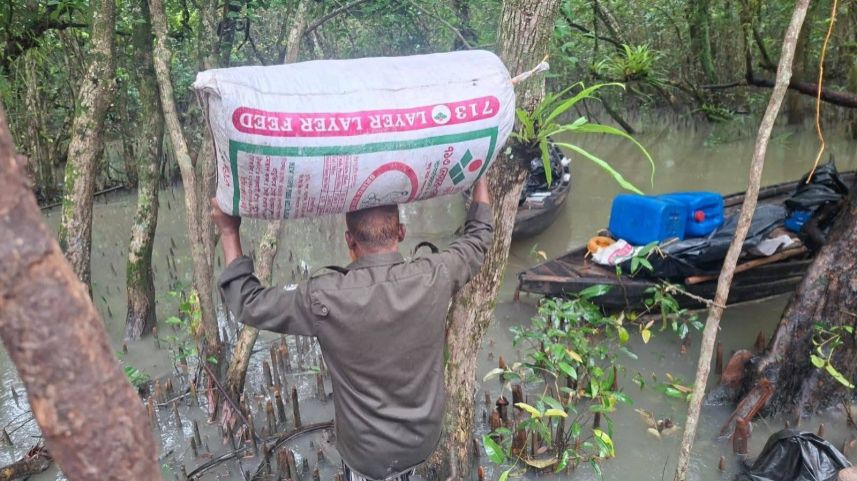
Bangladeshi forest authorities conducted a comprehensive twelve-hour operation across the Sundarbans that resulted in the dismantling of three clandestine shrimp processing sites using toxic chemicals. The raid, carried out by Chandpai Range personnel under the Sundarbans East Forest Division on July 30, targeted facilities concealed within the mangrove ecosystem's intricate waterway system. Divisional Forest Officer Rezaul Karim Chowdhury oversaw the operation, which revealed an organised network exploiting the world's largest coastal forest for illicit aquaculture processing.
The three illegal camps positioned at strategic locations along Kaga Khal, Indurkani Khal and Chhoto Hormal Khal represented a sophisticated operation designed to evade detection. When enforcement teams arrived at dawn, the first two sites had already been vacated, suggesting the operators maintained advance warning systems or coordinated surveillance networks within the forest. However, the third location still bore evidence of active operations, with considerable quantities of processing materials and finished products recovered during the intervention.
The haul confiscated during the raid included two sacks of already-processed dried shrimp, approximately five maunds of fresh shrimp positioned for drying, two litres of unidentified toxic substances, processing vessels, two fishing boats, tona nets, rice stores and miscellaneous equipment. The presence of fresh shrimp exhibiting an overpowering chemical odour prompted immediate destruction of the entire cache to prevent contaminated products from infiltrating downstream markets. This precautionary measure reflected growing awareness among authorities of the health risks these substances pose to consumers across Bangladesh and the broader region.
Simultaneously, the operation netted an additional vessel carrying ninety-five crab traps, with individuals aboard abandoning the boat and fleeing into the forest when confronted by enforcement personnel. The incident underscores how these illegal operations remain highly mobile and responsive to threats of capture. Officials have initiated formal investigations, with Rezaul pledging renewed commitment to dismantling such networks through sustained enforcement campaigns throughout the protected forest area.
Environmental advocates characterise the discovery as merely scratching the surface of a deeper ecological crisis unfolding within the Sundarbans. Noor Alam, representing Sundarban Rokkhay Amra, articulated how poison-based shrimp processing represents a silent but accelerating threat to one of Asia's most vital ecosystems. The chemical residues contaminate both freshwater and saline water columns, devastating aquatic food chains and destabilising the intricate biological balance that supports the region's fisheries and wildlife. Without intensified enforcement mechanisms and stricter regulatory oversight, such operations will likely persist and expand.
The implications extend far beyond environmental degradation to encompass direct threats to human health through the food chain. Local communities in adjacent upazilas have reported unprecedented availability of dried shrimp in informal retail settings, a development that coincides with the emergence of these illegal processing networks. Mehadi Hasan Khan, a student from Kachua upazila, articulated the consumer vulnerability affecting ordinary households: markets now routinely stock dried shrimp products of dubious origin, yet purchasing communities possess no reliable mechanisms to verify whether items have been processed with hazardous chemicals.
This visibility in local markets suggests that even small quantities of poison-processed shrimp are achieving distribution through established supply chains, potentially reaching schools, restaurants and households across southwestern Bangladesh. The absence of traceability systems, combined with limited public awareness of the chemical treatment methods, creates a situation where consumers make purchasing decisions with incomplete information. For a region already grappling with food safety challenges, the emergence of systematically poisoned aquaculture products represents a novel vector for contamination.
The Sundarbans already confronts an overwhelming array of pressures that have steadily eroded its ecological integrity over recent decades. Uncontrolled poaching of endangered species like Bengal tigers and crocodiles, systematic illegal logging that removes mangrove timber, unregulated commercial fishing that depletes fish stocks, progressive habitat degradation from agricultural encroachment and the accelerating impacts of climate change-driven sea-level rise have collectively transformed the landscape. The addition of poison-based processing networks introduces yet another anthropogenic stress upon an ecosystem approaching critical thresholds.
The UNESCO World Heritage designation reflects the Sundarbans' globally significant biodiversity and role as a carbon sink, yet this international recognition has proven insufficient to prevent deteriorating conditions. Bangladesh's forest authorities clearly recognise the urgency, with the recent raid demonstrating operational capacity to locate and eliminate specific illegal operations. However, sustained success requires not merely tactical interventions but systemic strengthening of enforcement infrastructure, ranger compensation, inter-agency coordination, and community-based monitoring networks that can provide early warning of illegal activities.
The incident's timing aligns with growing regional awareness of how illegal aquaculture practices generate negative externalities that extend across national boundaries. Contaminated waterways in the Sundarbans ultimately discharge into shared maritime zones affecting fishing communities throughout the Bay of Bengal region. Countries including Malaysia, which depend on seafood imports from Bangladesh and face their own aquaculture challenges, have legitimate interests in ensuring Southeast Asian supply chains maintain basic food safety standards. The poisoned shrimp uncovered in Khulna district thus constitutes not merely a Bangladeshi problem but a transnational concern requiring coordinated responses.
Longer-term solutions demand engagement with the economic drivers perpetuating these illegal operations. Impoverished communities bordering the Sundarbans often participate in extractive activities because few alternative livelihood pathways exist. Enforcement alone cannot succeed without parallel investments in sustainable livelihood development, improved access to legal aquaculture technologies and market linkages that allow poor households to earn dignified incomes without degrading the forest. The raid successfully eliminated one network's immediate operations, yet unless underlying economic pressures diminish, new operators will likely emerge to exploit the same ecological resources and market opportunities.

