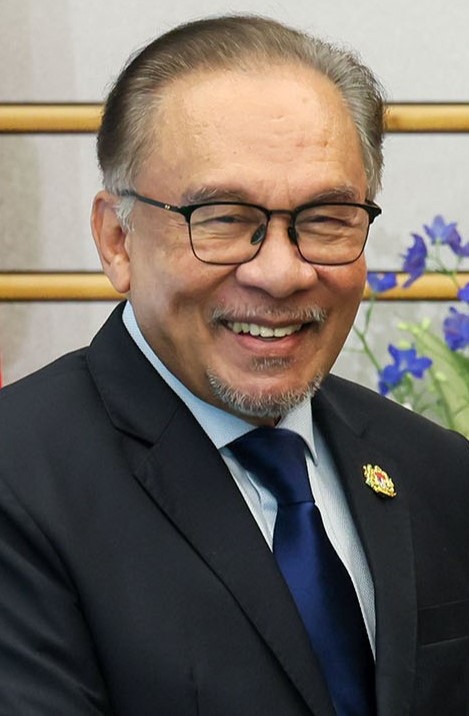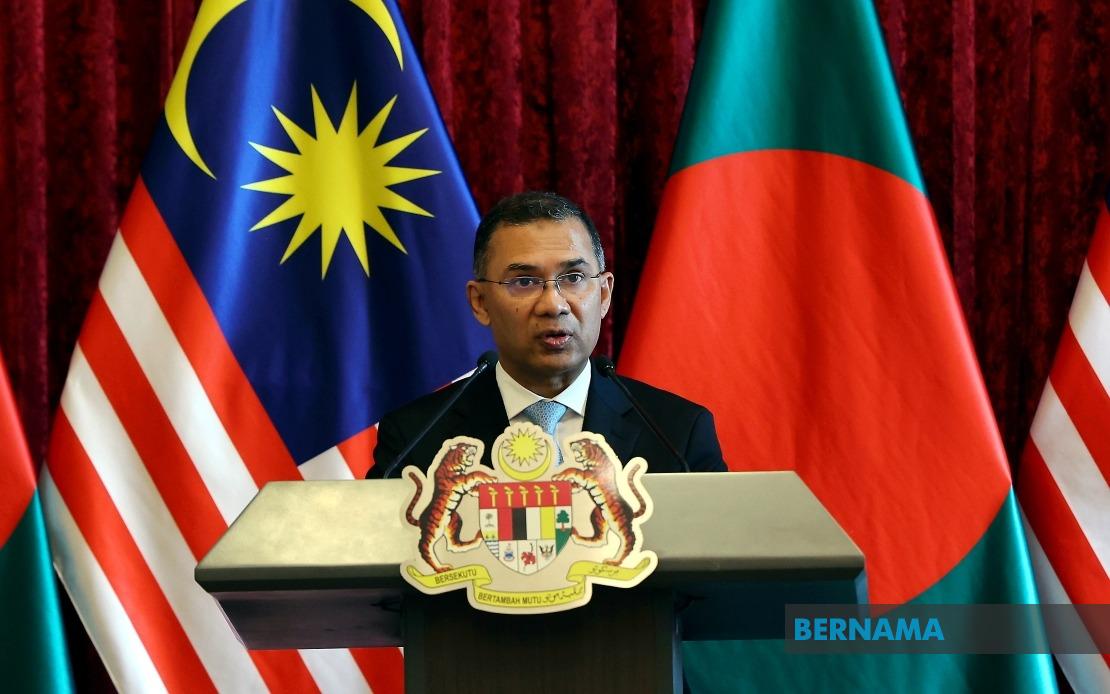
Prime Minister Tarique Rahman of Bangladesh has signalled his administration's determination to elevate relations with Malaysia, marking a significant diplomatic overture during his maiden bilateral visit abroad since taking office in February 2026. Speaking alongside Prime Minister Datuk Seri Anwar Ibrahim in Putrajaya on Monday, Rahman underscored shared commitments to broaden cooperation across multiple spheres, positioning the relationship as a cornerstone of South Asian engagement in Southeast Asia.
The two leaders formalised their intentions through the exchange of three major instruments reflecting their collaborative ambitions. A Memorandum of Understanding on Cultural Cooperation signals recognition that people-to-people ties and soft power constitute essential foundations for sustained partnership. Simultaneously, two Exchanges of Notes addressing Counter-Terrorism Research and Investment Promotion and Facilitation address security and economic dimensions that increasingly preoccupy policymakers across the region. These agreements extend beyond ceremonial significance, establishing practical frameworks through which both governments can coordinate on challenges that transcend borders.
Rahman's explicit acknowledgement of Malaysia's backing for Bangladesh's bid for the presidency of the 81st session of the United Nations General Assembly carries particular weight. This diplomatic endorsement from a prominent Southeast Asian economy demonstrates Malaysia's willingness to leverage its regional influence in support of Bangladesh's international aspirations. For Dhaka, such backing provides crucial credibility as it seeks to amplify its voice in global governance at a moment when developing nations increasingly demand greater representation in international decision-making structures.
The joint commitment to enhanced engagement through institutional mechanisms reflects a pragmatic approach to bilateral relations. By leveraging existing frameworks such as the joint commission meeting and high-level consultations between foreign ministers, both capitals acknowledge that effective partnership requires consistent dialogue at multiple levels. Regular interaction through these channels helps prevent misunderstandings, identifies emerging areas of cooperation, and enables both governments to address irritants before they escalate into diplomatic complications.
Beyond formal state-to-state arrangements, Rahman and Anwar demonstrated convergence on substantive global questions, particularly developments in West Asia. This alignment on international issues carries implications for broader Southeast Asian stability, as Bangladesh and Malaysia together represent significant Muslim-majority nations capable of influencing regional and global discourse. Their coordinated approach to geopolitical challenges reflects a desire to ensure that South Asian and Southeast Asian perspectives receive adequate consideration in international deliberations.
Economic ties between the two countries reveal the substantial foundations upon which political engagement rests. Trade between Bangladesh and Malaysia reached RM12.18 billion in 2025, establishing Bangladesh as Malaysia's 28th largest trading partner globally and second largest in South Asia after India. Malaysia's exports to Bangladesh, valued at RM10.08 billion and dominated by petroleum products, reflect Bangladesh's substantial energy requirements as it pursues rapid industrialisation and development. The import side, wherein Bangladesh supplies RM2.10 billion in goods comprising textiles, apparel and footwear, showcases the complementary nature of both economies and the established supply chains linking manufacturers in Dhaka and Chittagong with Malaysian markets and consumers.
These trade patterns suggest room for deepening commercial relationships across multiple sectors. Bangladesh's textile and garment industry, which drives a significant share of bilateral commerce, faces evolving competitive pressures in global markets. Enhanced investment facilitation mechanisms discussed during the visit could enable Malaysian enterprises to establish production bases in Bangladesh, leveraging lower labour costs whilst maintaining quality standards expected by international buyers. Conversely, Malaysian expertise in sectors ranging from petrochemicals to financial services could support Bangladesh's development priorities.
Rahman's selection of Malaysia as the destination for his first official bilateral visit abroad carries symbolic significance that extends beyond the immediate state-to-state relationship. The choice signals that Bangladesh's new leadership recognises Southeast Asia as a crucial arena for diplomatic engagement and economic opportunity. For Malaysian policymakers, the visit reinforces the nation's standing as a bridge between South Asia and Southeast Asia, positioning Kuala Lumpur as an essential interlocutor for Bangladeshi leaders navigating complex regional dynamics.
The visit occurred at a moment when both nations face shared challenges requiring coordinated responses. Security concerns including cross-border terrorism and transnational organised crime necessitate the kind of enhanced counter-terrorism research collaboration formalised during Rahman's visit. Similarly, as both economies compete for foreign investment and export market access, institutional frameworks promoting investment facilitation become increasingly valuable in demonstrating to potential partners that regulatory environments enable transparent, predictable business operations.
For Malaysian observers, Bangladesh's growing prominence in regional affairs merits closer attention. With a population exceeding 170 million and an economy registering consistent growth rates, Bangladesh increasingly influences dynamics across South Asia and Indian Ocean affairs. Strengthening ties with Dhaka provides Malaysia with additional leverage in regional forums and enhances Kuala Lumpur's capacity to shape outcomes on matters ranging from maritime security to climate change adaptation that affect all nations across the Indo-Pacific.
The cultural cooperation agreement assumes particular importance given Bangladesh and Malaysia's shared Islamic heritage and growing numbers of Bangladeshi migrants working throughout Malaysia's economy. Formalising cultural exchanges can strengthen community bonds, promote mutual understanding among younger generations, and create constituencies within both societies invested in sustained partnership. Educational scholarships, artistic collaborations, and scholarly exchanges supported through institutional mechanisms generate long-term dividends that purely commercial arrangements cannot replicate.
Looking forward, Rahman's visit establishes momentum for deepening engagement across multiple domains. Regular consultations between foreign ministers, as pledged by both leaders, provide opportunities to identify emerging areas of cooperation and address issues before they acquire political salience. The joint commission mechanism offers structured engagement enabling technical experts and officials to collaborate on detailed implementation of agreements. For Malaysian and Bangladeshi citizens, these institutional arrangements translate into tangible benefits through expanded business opportunities, educational access, and cultural exposure.
Rahman's maiden official bilateral visit abroad thus represents more than ceremonial diplomacy. It reflects calculated strategic positioning by Bangladesh's new leadership, recognition within Dhaka that Malaysia constitutes an indispensable partner for pursuing national development goals whilst navigating complex regional alignments. For Malaysia, the visit reaffirms the nation's regional significance and confirms that Southeast Asian engagement with South Asia constitutes an increasingly central element of regional affairs.