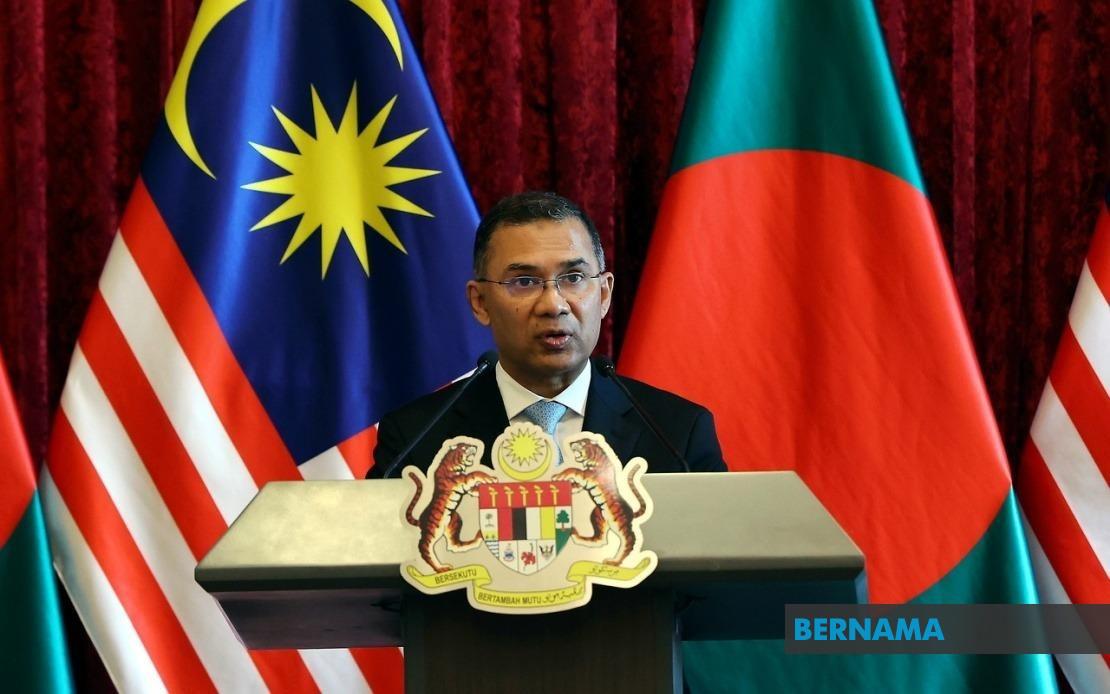
Bangladesh's government has signalled its commitment to deepening economic and diplomatic ties with Malaysia, following Prime Minister Tarique Rahman's visit to the country in June. Speaking at a business forum in Dhaka on Saturday, Health and Family Welfare Minister Sardar Mohammad Sakhawat Hossain characterised the visit as a watershed moment for relations between the two nations, describing it as evidence of strengthening bonds rooted in historical goodwill and mutual understanding.
The minister's remarks came during an event titled "Towards a Stronger Bangladesh-Malaysia Partnership", organised by the Bangladesh-Malaysia Chamber of Commerce and Industry. His comments underscore Dhaka's strategy of leveraging high-level diplomatic engagements to advance economic interests across the region. For Malaysian policymakers, the emphasis on bilateral ties holds particular significance given the growing interconnectedness of Southeast Asian economies and the need for sustained regional cooperation frameworks.
Sakhawat stressed that the foundation of Bangladesh-Malaysia relations transcends ceremonial diplomacy, resting instead on bedrock principles of mutual confidence and reciprocal benefit. This framing is significant as it suggests the two governments view their partnership as enduring rather than transactional. The minister particularly highlighted the role of private sector engagement, noting that regular dialogue between Bangladeshi and Malaysian business communities has become instrumental in identifying opportunities for collaboration across multiple sectors.
A central plea emanating from Dhaka involves Malaysia's willingness to expand its procurement from Bangladesh. The appeal reflects Bangladeshi concerns about trade imbalances and the desire to leverage Malaysia's developed market access to support domestic exporters. Bangladesh's manufacturing sector, particularly in textiles, leather goods, and agricultural products, has long sought greater penetration into Southeast Asian markets. Malaysia, as a regional economic hub with established trading networks, represents an attractive destination for Bangladeshi products seeking entry into broader Asian supply chains.
The bilateral relationship encompasses more than commerce alone. Malaysian High Commissioner to Bangladesh Mohd Shuhuda Othman's presence at the Dhaka event symbolised Kuala Lumpur's reciprocal investment in strengthening institutional channels between the two capitals. Similarly, the participation of Federation of Bangladesh Chambers of Commerce and Industry administrator Mohammad Fazlul Haque underscored the business community's stake in advancing the agenda outlined by government officials.
For Malaysian readers, the implications of this diplomatic momentum merit consideration. Bangladesh remains a significant player in South Asian geopolitics and increasingly in regional economic integration. With a population exceeding 170 million and growing manufacturing capabilities, Bangladesh represents both a market opportunity and a potential competitive challenge in sectors such as garments and electronics. Strengthening ties with Dhaka aligns with Malaysia's broader strategy of maintaining influence across South and Southeast Asia while cultivating reliable trading partners.
The emphasis on "mutual trust" in ministerial statements carries additional weight given Bangladesh's political transitions and Malaysia's ongoing efforts to maintain stable diplomatic relations across the region. Trust-building in bilateral relationships often precedes concrete economic gains, suggesting that government officials view the foundation-laying phase as equally important as the structure-building phase. This patient approach to relationship development may yield sustained cooperation rather than episodic commercial transactions.
The timing of these statements is noteworthy. Bangladesh is consolidating its position within regional trade frameworks including ASEAN engagement, while Malaysia continues to position itself as a bridge between South and Southeast Asia. The call for increased Malaysian imports from Bangladesh fits within this broader strategic context, where both nations benefit from diversified trade relationships that reduce economic dependence on any single partner.
Business-to-business engagement, as highlighted by Sakhawat, represents the engine driving deeper bilateral integration. Malaysian investors have shown increasing interest in Bangladesh's manufacturing sectors, while Bangladeshi entrepreneurs seek opportunities in Malaysia's more mature markets and services sectors. The institutional framework provided by organisations like the Bangladesh-Malaysia Chamber of Commerce and Industry facilitates these connections, transforming diplomatic goodwill into measurable commercial activity.
Looking forward, the trajectory of Bangladesh-Malaysia relations will depend on whether rhetorical commitments to strengthened partnerships translate into substantive policy changes and measurable outcomes. For Malaysia, this means considering tariff adjustments, market access improvements, and investment facilitation measures that support Bangladeshi exports. For Bangladesh, it involves ensuring that domestic producers meet international quality standards and comply with Malaysian regulatory requirements.
The visit by Prime Minister Tarique Rahman to Malaysia in June clearly registered significantly with Bangladeshi policymakers, who view it as validating their approach to regional engagement. Whether this diplomatic momentum sustains and yields tangible benefits for businesses and citizens in both countries remains to be seen, but the consistent messaging from high-level officials suggests both governments view the relationship as worthy of serious attention and continued development.

