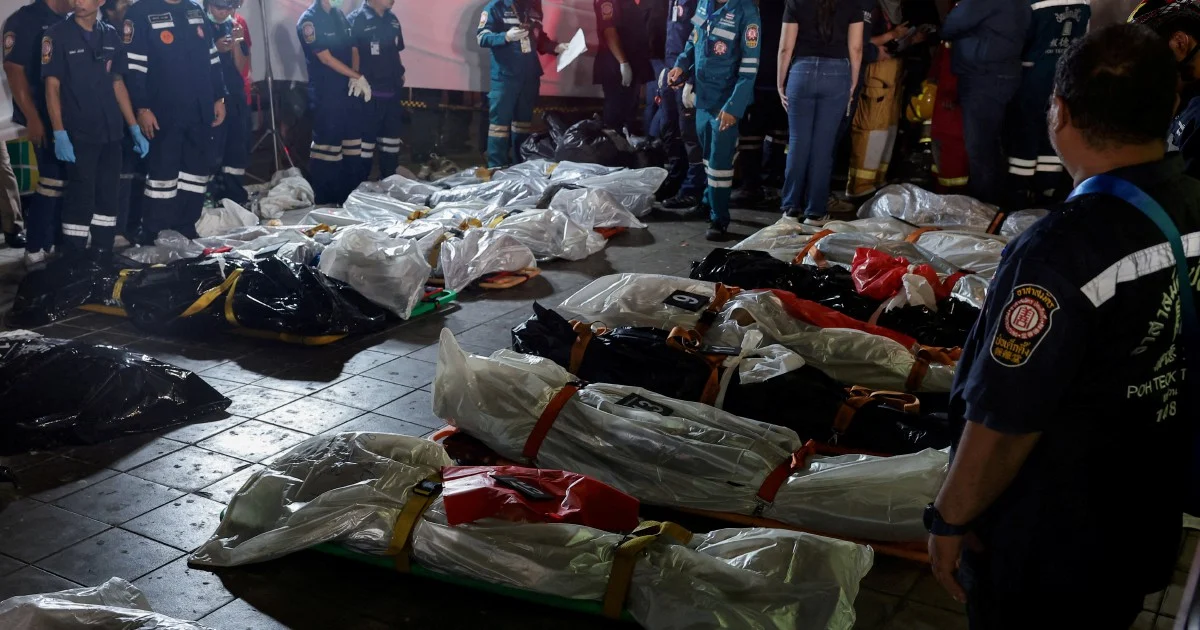
Thailand's entertainment industry faced a reckoning after a devastating fire swept through a nightclub in central Bangkok late Sunday, claiming the lives of at least 27 patrons and staff. Prime Minister Anutin Charnvirakul confirmed the death toll to local media, casting the incident as one of the nation's most catastrophic peacetime disasters in recent memory.
The blaze, which erupted in the heart of Bangkok's nightlife district, exposed the persistent vulnerability of Thailand's hospitality venues to fire hazards. Entertainment establishments across the capital and provincial cities have long operated under a patchwork of safety regulations, with enforcement inconsistent and oversight limited. Sunday's tragedy illuminated gaps in building code compliance, emergency exit accessibility, and fire suppression systems that have plagued smaller venues operating with minimal regulatory burden.
The timing of the disaster raised immediate questions about the state of Thailand's venue inspection regime. Authorities faced mounting pressure to clarify whether the affected establishment had passed recent safety audits and whether it maintained adequate fire exits, sprinkler systems, and trained staff protocols. The incident follows a pattern of serious fires at Thai nightclubs and entertainment venues over the past decade, each serving as stark reminders of systemic vulnerabilities in the sector.
For neighbouring Southeast Asian nations, Bangkok's tragedy serves as a cautionary tale about enforcement priorities in entertainment regulation. Malaysia, Singapore, and Indonesia have similarly grappled with balancing the commercial interests of the hospitality sector against stringent safety requirements, particularly in venues operating in densely populated urban zones. The incident underscores how entertainment venues operating across different jurisdictions often face wildly inconsistent safety standards, creating a competitive disadvantage for properly regulated establishments.
The incident's toll extends beyond the immediate loss of life to encompass broader economic and reputational consequences for Thai tourism. Bangkok remains Southeast Asia's premier tourist destination, attracting millions of international visitors annually who frequent nightclubs, bars, and entertainment venues. A major fatal fire inevitably affects consumer confidence and may impact visitor numbers to entertainment districts, with downstream effects on employment and business revenue throughout the hospitality chain.
Emergency response efforts at the scene revealed both the capabilities and limitations of Bangkok's disaster management infrastructure. First responders mobilized rapidly to control the spreading flames and conduct rescue operations, yet the sheer intensity and speed of the fire likely overwhelmed initial containment efforts. Authorities faced the complex task of identifying victims, communicating with next of kin, and managing the logistical burden of a mass casualty incident within an urban environment.
The investigation into the fire's origins will prove critical not only for understanding the immediate cause but for identifying systemic failures that permitted the conditions for such a rapid, deadly spread. Fire investigators typically examine electrical systems, fuel sources, structural materials, and ventilation inadequacies in such incidents. The thoroughness of this investigation will significantly influence whether Thailand's authorities implement meaningful regulatory reforms or allow investigations to conclude with minimal changes to the status quo.
For business owners and operators across Thailand's entertainment sector, the disaster signals potential regulatory tightening ahead. Insurance requirements may become more stringent, inspection frequencies likely will increase, and compliance costs for safety upgrades could burden smaller venues disproportionately. Operators already facing pressure from post-pandemic recovery efforts now confront additional capital expenditure demands to meet whatever revised safety standards emerge from official inquiries.
The tragedy also highlights workforce vulnerabilities within Thailand's entertainment industry. Many employees in nightclubs and bars comprise migrant workers or individuals with limited training in emergency procedures. Language barriers and insufficient evacuation drills may have contributed to confusion and disorientation during the fire's rapid spread, preventing orderly exits and increasing casualties. Future safety initiatives must prioritize comprehensive staff training and clear emergency communication protocols.
International attention to Bangkok's nightclub fire inevitably influences regional safety discussions. Thai authorities face pressure to demonstrate that Sunday's tragedy represents a catalyst for systemic reform rather than a temporary news cycle before industry-as-usual resumes. Neighbouring countries' regulatory agencies will monitor Thailand's response carefully, potentially adopting lessons learned either from Bangkok's failures or from the efficacy of subsequent corrective measures.
The Prime Minister's immediate public acknowledgment of the disaster and casualty figures signalled official recognition of the tragedy's magnitude, yet decisive action on reform will determine whether this incident becomes a genuine turning point for Thai venue safety standards. Pressure from bereaved families, civil society organizations, and concerned citizens will shape the political calculus surrounding regulatory enforcement and potentially substantive legislative changes addressing deficiencies exposed by Sunday's inferno.

