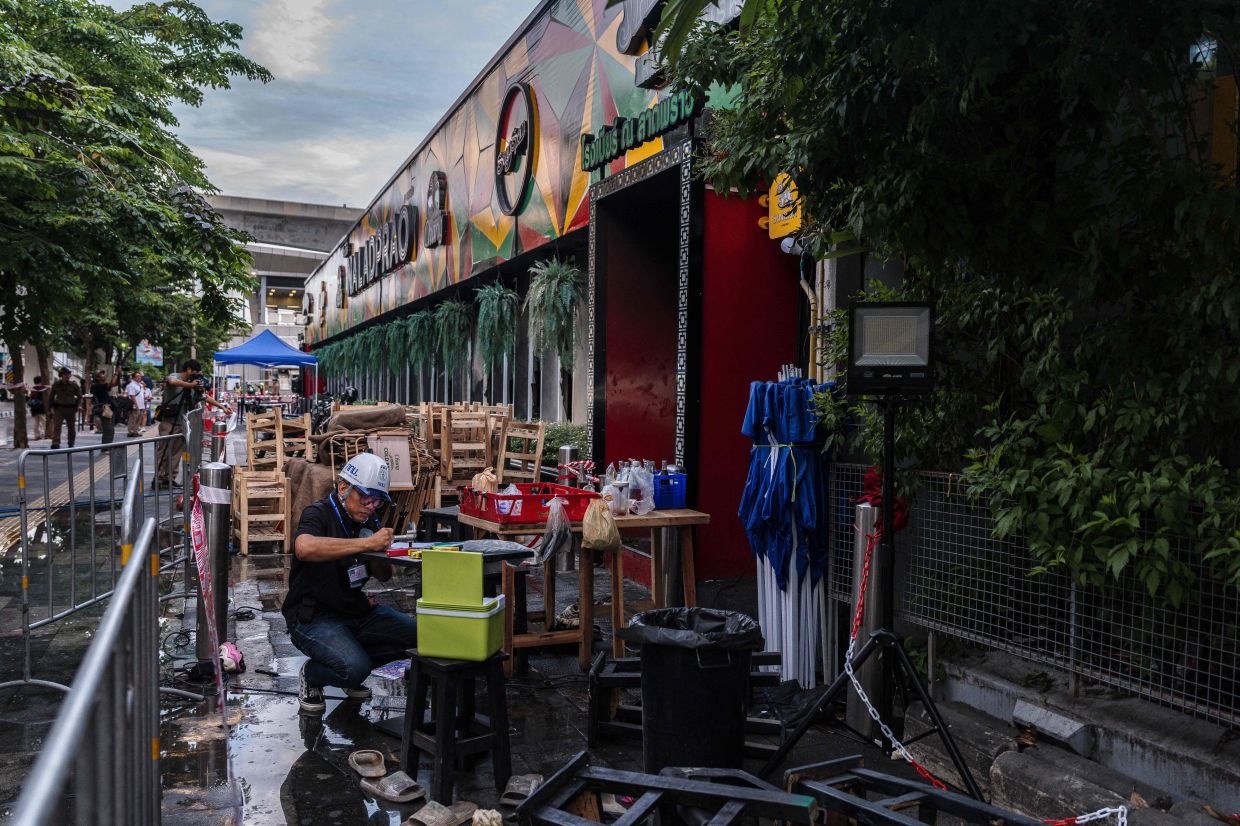
The death toll from a devastating fire at a restaurant and brewery-style venue in Bangkok's Lat Phrao area has reached 27, with another 18 injured in what authorities are treating as a major public safety crisis. Bangkok Governor Chadchart Sittipunt moved swiftly to establish a coordination centre early Monday morning to assist bereaved families and injured survivors, while simultaneously ordering sweeping inspections across the city's hospitality sector to prevent future tragedies. The incident has exposed troubling gaps in fire safety compliance at entertainment venues and raised questions about regulatory oversight that will likely reverberate through Thailand's tourism and hospitality industries.
Governor Chadchart arrived at the scene approximately two hours and forty minutes after the blaze began, immediately recognising the scale of the emergency. His first action was to direct the Chatuchak District Office to establish a dedicated assistance centre where relatives could obtain information about their loved ones and receive support services. Simultaneously, he initiated what appears to be a citywide compliance review, instructing officials to scrutinise operating permits and fire-safety standards at similar venues. This dual-track response reflects both the immediate humanitarian crisis and the underlying regulatory failures that allowed the fire to become so catastrophic.
The formal identification of victims has proven challenging, with medical examiners and relevant agencies still conducting procedures to confirm names and secure family notifications. Governor Chadchart advised relatives to obtain verified information exclusively through the coordination centre to avoid misinformation and allow authorities to conduct proper identification protocols. This cautious approach, while procedurally necessary, underscores the scale of the tragedy and the difficulty rescue personnel faced in recovering victims from the heavily damaged building.
Fire and Rescue Department Director Suriyachai Rawiwan provided a sobering account of the rescue operation, noting that firefighters arrived approximately five minutes after the initial emergency report but found flames already consuming the entire venue. The speed with which the fire spread suggests the building's interior materials acted as accelerants, a theory supported by preliminary observations. Thick smoke created a deadly environment that prevented rescue teams from reaching trapped occupants effectively. Many victims apparently sought refuge in rear toilet areas, a desperate decision that likely hindered rather than helped their survival chances.
An initial inspection identified only two emergency exits, both at the rear of the building, creating a fatal bottleneck during evacuation. Evidence suggests that some victims died near a left-side emergency exit where debris or obstacles may have blocked access, pointing to possible violations of safety codes requiring clear and unobstructed escape routes. The discovery of minimal damage to plastic furniture in certain areas, contrasted with rapid flame spread across the ceiling, has prompted specialists to investigate whether toxic fumes from interior decorative materials caused victims to lose consciousness before the fire itself became lethal. Governor Chadchart stressed that definitive conclusions await expert analysis, but the preliminary evidence suggests systemic failures in both building design and material selection.
The Bangkok Metropolitan Administration has outlined three immediate priorities that will define the official response. Beyond the humanitarian coordination centre, authorities are mounting a comprehensive audit of operating documents and safety standards at the affected venue and, implicitly, at comparable establishments across the city. Officials will specifically examine the number and condition of fire exits, the clarity of emergency-exit signage, and whether evacuation routes were obstructed by furniture, decoration, or structural elements. Particular attention will focus on whether the kitchen passageway—one of only two escape routes—met legal requirements for emergency use.
For Malaysian and regional observers, the Bangkok incident carries immediate relevance. Similar restaurant and brewery venues operate throughout Southeast Asia, often in heritage buildings or converted warehouses where fire codes may be unevenly enforced. The Thai authorities' discovery that a major Bangkok venue operated with potentially inadequate fire exits raises uncomfortable questions about compliance in the region's hospitality sector. Malaysian establishments, particularly in Kuala Lumpur and Penang where entertainment districts have expanded rapidly, should expect heightened scrutiny from local authorities and should conduct internal safety audits to ensure their escape routes, signage, and emergency procedures meet or exceed legal minimums.
The Bangkok Fire and Rescue Department has reported that among the 27 deceased, nine were men and 18 were women, suggesting the venue may have been particularly crowded in female-oriented or mixed social areas. Preliminary indications suggest smoke inhalation as the primary cause of death, though forensic findings will provide definitive answers. Of the 18 injured, eight sustained serious injuries, seven moderate injuries, and three minor injuries, all receiving hospital treatment. These figures suggest that some patrons managed to escape but faced life-threatening smoke exposure in the process.
The investigation into the fire's origin remains ongoing, with police and forensic specialists still examining the scene. Understanding how the fire started—whether from electrical fault, cooking equipment, or another source—will prove crucial for preventing recurrence. Governor Chadchart has pledged to accelerate investigation work while maintaining support for those affected, framing the disaster as a catalyst for systemic safety improvements rather than merely a tragic incident to be mourned and forgotten.
The Chatuchak District Office has established hotlines for relatives and affected persons seeking information or assistance. This institutional response, while necessary, serves as a grim reminder of the human cost when safety regulations are compromised or inadequately enforced. For the hospitality industry across Southeast Asia, the Bangkok tragedy represents a cautionary tale: venues operating in jurisdictions with lax enforcement face not only regulatory exposure but also devastating liability when preventable disasters occur. Thailand's authorities appear determined to convert this tragedy into meaningful safety reform, but the incident underscores how quickly entertainment venues can become death traps when fire safety receives insufficient attention.

