Early Wednesday morning, Bahrain's civil defence systems were activated when air raid sirens sounded across the country, triggering an immediate response from the nation's Ministry of Interior. The ministry issued a public alert directing citizens and residents to proceed to the nearest designated safe location whilst remaining calm, though initial official communications did not elaborate on the specific trigger for the emergency measure. The alert would shortly become clearer as details emerged from military operations occurring across the region.
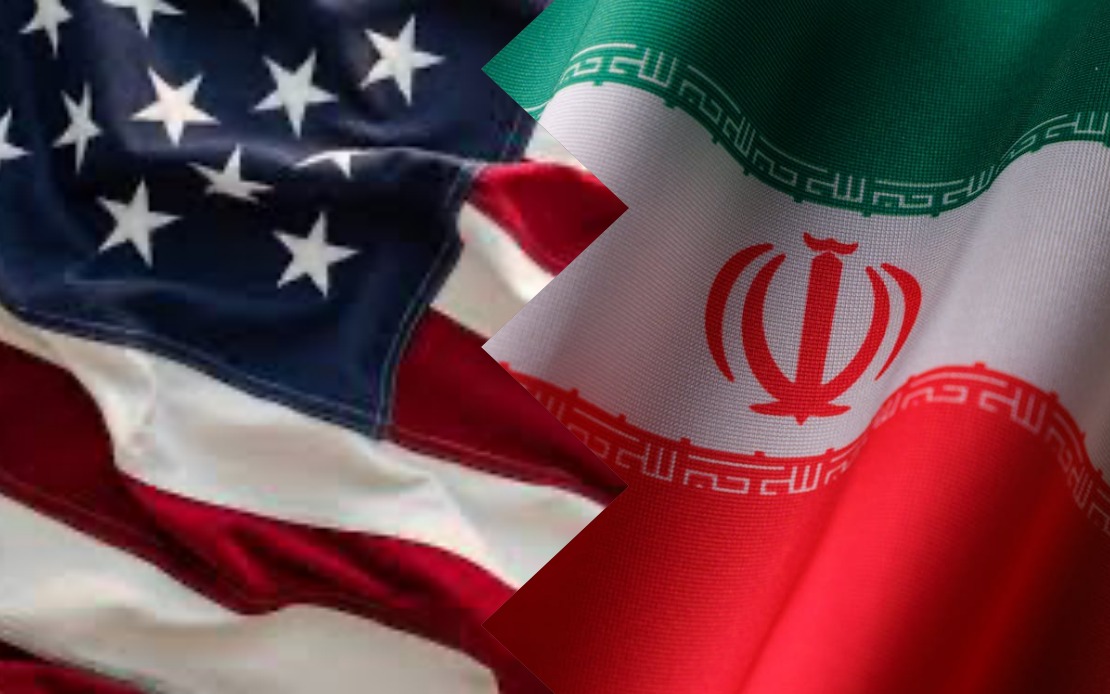
The activation of Bahrain's warning systems came in direct response to a substantial military operation undertaken by the United States military against Iranian targets. According to reporting from US defence officials, American forces had just completed a comprehensive new round of strikes that targeted more than 80 locations across Iranian territory. This operation represented a significant military undertaking and reflected mounting tensions in one of the world's most strategically important maritime corridors.
The United States Central Command provided the official justification for the military action, characterising the strikes as an immediate and proportionate response to recent Iranian attacks directed at commercial shipping vessels navigating the Strait of Hormuz. This vital waterway remains one of global commerce's most critical passages, with approximately one-third of all seaborne traded oil transiting through its waters. Any disruption to traffic through the Strait carries profound implications for energy supplies to markets worldwide, including those dependent on Middle Eastern crude reaching Asian refineries.
According to US military officials, Iran had launched unmanned aerial vehicles in the direction of Bahrain itself, adding another dimension to the escalating confrontation. Bahrain, as a key American strategic ally hosting the US Navy's Fifth Fleet headquarters, occupies particular significance in regional security calculations. The deployment of Iranian drones toward Bahraini airspace represented a direct challenge to American and allied interests in the Persian Gulf.
The sequence of events reflected a pattern of mutual retaliation that has characterised recent months in the Strait of Hormuz region. Iranian attacks on commercial vessels have triggered mounting international concern regarding freedom of navigation, with shipping companies facing genuine threats to their operations. These incidents have prompted reassessments of maritime insurance costs and rerouting considerations for commercial traffic, creating economic consequences extending far beyond the immediate theatres of conflict.
For Malaysia and other Southeast Asian nations dependent on Persian Gulf energy supplies, these developments carry substantial implications. Any prolonged disruption to shipping through the Strait of Hormuz would inevitably impact regional energy costs and supply reliability. Malaysian refineries and power generation facilities depend significantly on stable Middle Eastern crude availability, making regional stability in the Gulf a matter of direct economic concern to Malaysian policymakers and citizens.
The Strait of Hormuz represents a critical chokepoint in global energy logistics, with approximately 21 per cent of all petroleum trade transiting through its narrow waters annually. The potential for further escalation in military operations threatens to disrupt this vital commercial artery, potentially triggering broader economic repercussions across Asia-Pacific markets. Shipping delays, insurance premium increases, and potential fuel price volatility would ripple through supply chains affecting industries from manufacturing to retail across the region.
Bahrain's alert system activation underscores the tangible security implications of the escalating confrontation for ordinary residents and workers throughout the Gulf states. The fact that civilian populations in allied nations face the prospect of seeking shelter reflects the severity of regional military escalation. For expatriate workers throughout the Gulf, including significant Malaysian communities employed in Bahrain and neighbouring states, such alerts introduce elements of genuine personal security concern.
The broader geopolitical context remains significant for understanding these developments. The confrontation between American and Iranian forces reflects deeper strategic competition in the Gulf region, where competing interests regarding maritime security, energy resources, and regional influence create persistent friction. The pattern of Iranian attacks on commercial shipping and subsequent American military responses has established a cycle of tit-for-tat escalation that shows limited signs of de-escalation.
Regional observers and policymakers throughout Southeast Asia are monitoring these developments with considerable attention, recognising that further deterioration could impose real costs on economies heavily dependent on stable energy supplies and uninterrupted maritime commerce. The situation underscores the interconnectedness of global security challenges and their capacity to affect communities thousands of kilometres distant from the primary theatres of conflict. For Malaysian stakeholders across energy, commerce, and security sectors, maintaining awareness of Gulf regional dynamics has become increasingly critical to understanding potential threats to national economic stability.

