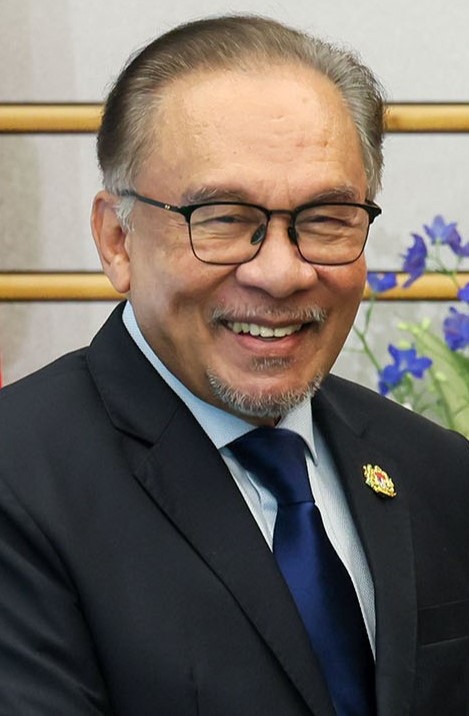
Azmin Ali's trajectory through Malaysian politics has positioned him as an unexpected but strategically significant figure in ongoing coalition negotiations, with observers suggesting his background could facilitate a realignment between Bersatu and the broader Pakatan Harapan ecosystem should the party's current leadership undergo change.
The Bersatu secretary-general brings a distinctive profile to these discussions. His ten-year period serving as deputy president of the People's Justice Party, which concluded when he transferred to Bersatu, provides him with institutional knowledge and personal relationships within PKR that few other Bersatu figures possess. This extended tenure in a senior position within one of Malaysia's major reformist parties distinguishes Azmin from party colleagues whose political networks are more narrowly concentrated within Bersatu's own structure.
Political observers have begun examining how such a leadership reconfiguration might reshape Malaysian politics, particularly given the intricate web of personal loyalties and factional divisions that characterise the current coalition landscape. The consideration of alternative scenarios reflects underlying instability within Malaysia's political framework, where coalitional arrangements remain fluid and subject to rapid restructuring when key personalities face challenges or when electoral calculus shifts.
Azmin's potential utility as a connector stems from his established relationships across party lines and his demonstrated ability to navigate between different political cultures. His decade at PKR exposed him to the party's organisational practices, ideological commitments, and internal power structures in ways that would be invaluable for someone attempting to broker understanding between Bersatu and PKR. Such institutional familiarity cannot be quickly acquired through brief political careers or external appointment.
The broader context involves Bersatu's complicated relationship with Pakatan Harapan, a coalition that initially excluded the party despite the presence of figures like Mahathir Mohamad who maintained significant political influence. Bersatu's subsequent inclusion in various governmental configurations has often been marked by tensions and competing interests, suggesting that more durable arrangements might require trusted intermediaries capable of translating between different organisational cultures and political ideologies.
Azmin's positioning also reflects the evolving factional mathematics within Malaysian politics. The departure of key Bersatu figures or a recalibration of the party's strategic direction might logically involve individuals who understand both Bersatu's interests and the operational dynamics of other coalition members. Someone with substantial prior experience in PKR would have fewer learning curves regarding PKR's preferences, power structures, and negotiating style.
The analytical focus on Azmin also signals recognition that leadership changes in Malaysian political parties often trigger broader realignments within coalitions. Such transitions create opportunities for reconsidering existing arrangements and exploring configurations that might better serve the interests of multiple parties. The involvement of respected bridging figures in such negotiations can substantially influence whether resulting arrangements prove stable or merely temporary.
Malaysian political observers frequently emphasise how personal relationships and individual credibility shape coalition dynamics. Azmin's experience in PKR would theoretically render him more capable of convincing PKR leadership of Bersatu's bona fides in any future negotiations. Conversely, his Bersatu membership would presumably allow him to represent PKR's concerns to Bersatu's leadership with greater authority than an outsider or recent convert to either party might possess.
The consideration of such scenarios also reflects the precarious stability of Malaysia's current political configuration. Coalitions held together primarily through shared opposition to particular adversaries or personal loyalty to individual leaders often prove fragile when circumstances change. More institutionalised arrangements grounded in complementary party interests and facilitated by figures capable of ensuring mutual understanding might prove more durable, which may explain why analysts are examining Azmin's potential role in any structural reorganisation.
For Malaysian political observers monitoring developments in Putrajaya, Azmin's prominence in such discussions represents a reminder that Malaysian politics remains substantially shaped by individuals capable of bridging different organisational worlds. His decade in PKR has arguably made him such a figure, though whether Bersatu's leadership would voluntarily step aside to enable such realignment remains uncertain. The very fact that analysts are examining his potential role demonstrates how leadership transitions, even speculative ones, trigger serious consideration of alternative constitutional arrangements and coalition structures.