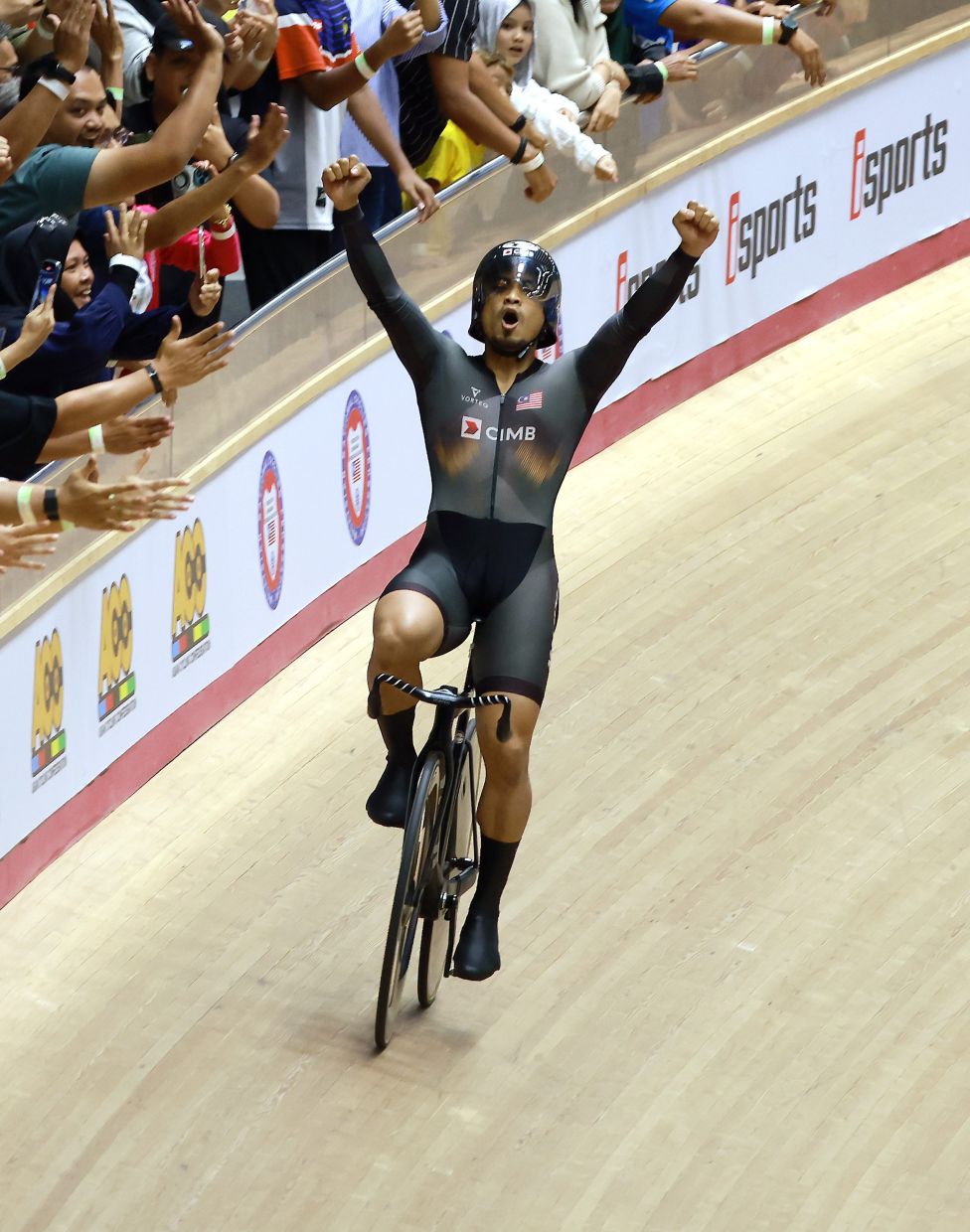
Celebrated track cyclist Azizulhasni Awang's emotional journey towards the 2028 Los Angeles Olympics took a decisive turn when Malaysia's National Sports Council and Youth and Sports Ministry formally confirmed their continued backing of his Olympic qualification campaign. The 38-year-old cycling veteran, who has spent months in limbo waiting for a commitment from the authorities, received the pivotal email confirmation on Monday, August 31—Merdeka Day—during a training session at the velodrome in Petaling Jaya. The news prompted an emotional response captured in a social media video, with Azizul visibly moved by the decision that will shape the remainder of his competitive career.
The uncertainty surrounding Azizulhasni's future has weighed heavily on the accomplished rider, whose dedication to Malaysian sports spans decades. In the video, he revealed that the previous week had been mentally and physically torturous, with his body failing to respond during training sessions as anxiety about his status consumed him. He articulated the psychological toll of being left in limbo, describing how he felt disconnected from his body and mind while awaiting confirmation. For an athlete of his calibre—a former keirin world champion with multiple international accolades—the lack of clarity from decision-makers represented an almost unbearable predicament.
The prolonged delay in securing official backing had frustrated not only Azizulhasni but also the wider Malaysian sporting community. Since well before the Glasgow Commonwealth Games, the cyclist had been seeking a straightforward commitment from the authorities regarding his participation in the 2028 Olympics. His repeated calls for clarity stemmed from a legitimate need to formulate a concrete qualification strategy and timeline. The ambiguity prevented him from engaging fully with training protocols and international competition calendars, effectively handicapping his preparation for the world's most prestigious cycling events. This administrative inertia highlighted systemic issues within Malaysia's sports governance structure.
The public dimension of this dispute added significant weight to Azizulhasni's position. Frustrated by the lack of progress through conventional channels, the cyclist took to social media to air his grievances, a decision that resonated powerfully with Malaysian sports enthusiasts. The response from the public was overwhelming, with thousands of Malaysians expressing solidarity through messages, comments, and open advocacy for his cause. This grassroots support inadvertently placed Youth and Sports Minister Dr Taufiq Johari and the National Sports Council under considerable public scrutiny, with critics questioning why such a valuable national asset was being left in bureaucratic limbo.
Azizulhasni's willingness to continue competing was explicitly conditional on receiving institutional support. Rather than unilaterally deciding to pursue Los Angeles, he had repeatedly stated that his continued participation depended on receiving clear confirmation that the NSC and Youth and Sports Ministry deemed his services essential to Malaysia's Olympic programme. This principled stance reflected both his respect for institutional decision-making and his pragmatic understanding that an athlete of his age requires substantial logistical and financial backing to remain competitive at the highest international level. His demand was not unreasonable; it was a reasonable request for bureaucratic clarity from government agencies responsible for Olympic preparation.
The Malaysia National Cycling Federation had actively advocated on Azizulhasni's behalf, securing preliminary indications that the NSC and ministry would provide the necessary support infrastructure for his LA 2028 qualification campaign. This institutional backing from within the sporting system added credibility to his claim and provided a pathway for the NSC and Youth and Sports Ministry to reverse their apparent indecision. The federation's confirmation that support would materialise represented a crucial intermediate step towards the official decision that ultimately came through on Merdeka Day.
For Southeast Asian cycling and the broader Malaysian sporting landscape, Azizulhasni's continued participation carries significant implications. At 38, he remains one of the region's most accomplished track cyclists, capable of competing with elite international fields in keirin, sprint, and pursuit events. His presence at the Los Angeles Olympics would enhance Malaysia's standing in a sport where Asian nations have been progressively improving their competitive profile. Furthermore, his experience and mentorship value to younger Malaysian cyclists cannot be underestimated; his continued involvement in the competitive cycling ecosystem provides invaluable knowledge transfer to emerging talents.
The resolution of this protracted uncertainty also sends important signals about Malaysia's commitment to supporting experienced athletes in their twilight years. Rather than prematurely closing the door on seasoned competitors, recognising their continuing value demonstrates mature sports administration. Azizulhasni's case has broader implications for how sports ministries evaluate athlete retention, particularly for specialists in niche disciplines where deep expertise and international experience are scarce commodities. The decision to back his LA 2028 campaign suggests a shift towards more considered, athlete-centred decision-making within Malaysia's sports bureaucracy.
Azizulhasni's gratitude extended comprehensively to the thousands of Malaysians who mobilised in his support, acknowledging that their intervention had proven decisive. He emphasised that he had neither solicited this public backing nor expected such widespread solidarity, yet the demonstration of national goodwill had materially affected the outcome. His renewed commitment to representing Malaysia reflects a reciprocal bond between athlete and nation—a recognition that his continued efforts at the highest competitive level serve not merely personal ambition but the broader national sporting interests.
Moving forward, Azizulhasni faces the practical challenge of translating confirmation into competitive results. The four years until Los Angeles represent a compressed timeline for Olympic qualification, particularly in track cycling where international point rankings and event selection processes follow strict protocols. His training regimen will intensify, requiring access to world-class facilities, coaching expertise, and competition opportunities across the international circuit. The NSC and Youth and Sports Ministry's commitment must now translate into tangible resource allocation, whether through funding, facility access, or international competition invitations.
This resolution also underscores the power of public opinion in influencing government decision-making, particularly within sectors like sports where national pride and achievement carry emotional weight. Azizulhasni's willingness to publicly articulate his frustrations, combined with the responsive engagement of Malaysian sports enthusiasts, created sufficient pressure to compel institutional action. While such public campaigns are not always necessary or desirable routes to resolving administrative matters, this instance demonstrates how transparency and public accountability can accelerate decision-making processes that might otherwise languish in bureaucratic ambiguity.
As Azizulhasni returns to his training schedule with renewed purpose and official sanction, Malaysian cycling enters a new chapter in its Olympic preparation. The cyclist's emotional response to the confirmation email—captured authentically in his social media message—will resonate with every athlete who has experienced the anxiety of career uncertainty. His journey from limbo to confirmation serves as a reminder that persistence, public engagement, and institutional responsiveness can align to produce positive outcomes in Malaysian sports administration.

