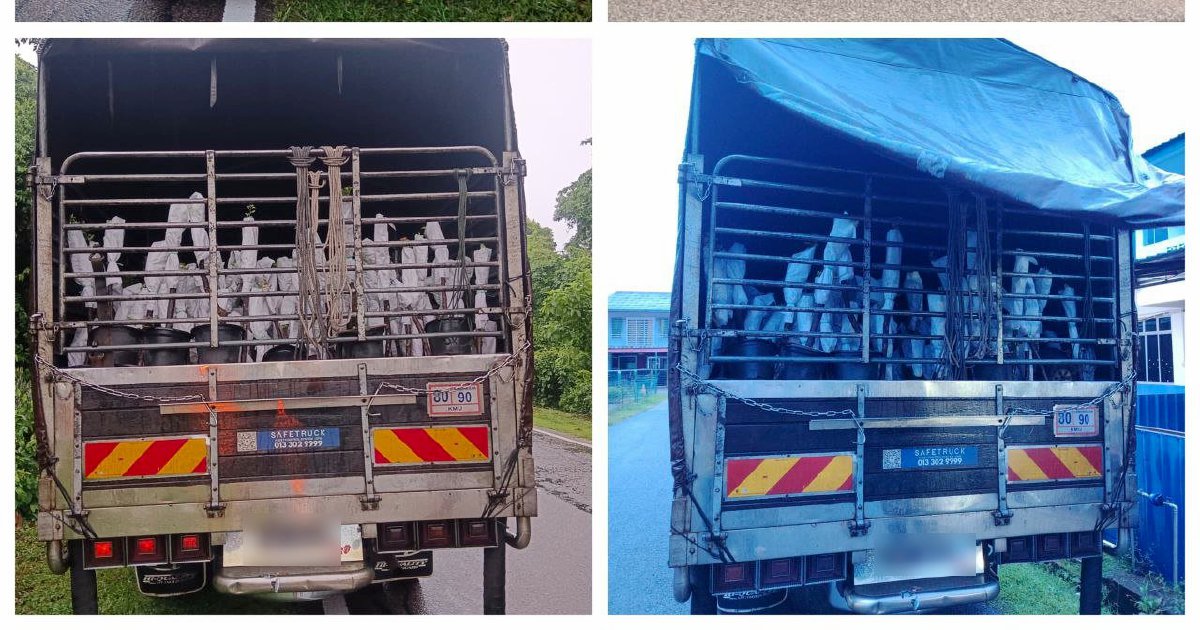
Border enforcement officers at Rantau Panjang conducted a successful operation yesterday that resulted in the apprehension of two individuals attempting to transport contraband horticultural goods across the Thai-Malaysian frontier. The men, who worked together as a commercial transport team, were discovered with approximately RM85,000 worth of plant saplings during routine security checks at the crossing point. The confiscation underscores the persistent problem of illegal agricultural trade along one of Southeast Asia's busiest international boundaries.
The operation represents a continuation of intensified interdiction efforts targeting illicit plant movements between Thailand and Malaysia. While routine commerce in plant materials does flow legitimately across the Rantau Panjang checkpoint, authorities have increasingly focused on detecting contraband shipments that circumvent proper import documentation, quarantine procedures, and customs duties. The substantial monetary value of the seized merchandise suggests this was not a minor infraction but rather a deliberate smuggling operation with commercial intent.
Plant smuggling, though often overshadowed by narcotics and counterfeit goods enforcement, constitutes a significant economic and regulatory concern for Malaysian authorities. The illicit horticultural trade disrupts legitimate nurseries and agricultural businesses operating within legal frameworks, undercutting their market position through black-market competition. Moreover, contraband plant material poses biosecurity risks, as illegally imported saplings may carry undeclared pests, diseases, or invasive species that could compromise Malaysia's agricultural ecosystems and plant health protocols.
The Rantau Panjang border crossing in Kelantan handles substantial daily traffic of both passengers and goods moving between Thailand and Malaysia. This high-volume environment creates genuine operational challenges for enforcement agencies attempting to distinguish legitimate shipments from smuggled cargo while maintaining efficient border flow. The capture of this particular consignment demonstrates the effectiveness of targeted intelligence and checkpoint vigilance, yet also reflects the ongoing resource demands required to address systematic contraband movements.
Thailand's position as a major regional horticultural centre makes it a natural source for plant materials sought by nurseries, landscapers, and agricultural operations throughout Southeast Asia. Price differentials, availability of specific species, and seasonal variations create legitimate market incentives for cross-border trade. However, these same factors motivate smugglers who seek to avoid legitimate import costs, documentation requirements, and regulatory compliance. The value assigned to the seized saplings suggests commercially significant quantities rather than personal-use volumes.
The employment of commercial lorries for smuggling operations indicates an organised approach rather than opportunistic small-scale trafficking. Drivers and attendants working within established transport networks can incorporate contraband alongside legitimate goods or operate exclusively in black-market shipments depending on market conditions and enforcement intensity. The arrest of both team members suggests they were jointly culpable in the illegal operation, though authorities would typically investigate whether they worked independently or represented larger smuggling networks.
Malaysian customs and quarantine regulations require botanical imports to undergo proper documentation, phytosanitary inspection, and approval by relevant agricultural authorities. These requirements exist to protect the country's horticultural sector from external threats while ensuring fair competition among legitimate traders. The circumvention of these procedures through smuggling not only constitutes customs violation but also represents a biosecurity breach with potential environmental and economic consequences.
The incident adds to a growing body of enforcement data documenting persistent plant-smuggling activity along major Malaysian border crossings. Previous operations in other locations have similarly intercepted valuable horticultural contraband, suggesting this represents part of broader trafficking patterns rather than isolated incidents. Organised groups appear to have developed reliable smuggling routes and methods capable of moving substantial botanical cargo across international boundaries despite security protocols.
For legitimate nursery operators and agricultural exporters in both Thailand and Malaysia, intensified enforcement against smugglers theoretically creates a more level competitive field. When illegal trade is substantially reduced, legal businesses enjoy improved market positioning and return on investment in compliance. However, enforcement agencies acknowledge that fully eliminating cross-border smuggling requires sustained operations, adequate resourcing, and coordination with Thai counterparts responsible for border security on the opposite side.
The arrest and seizure will likely be processed through relevant Malaysian enforcement authorities, with investigations potentially extending beyond the immediate suspects if evidence suggests involvement of larger supply networks or purchasing entities within Malaysia. Prosecutors must establish clear documentation of the goods' contraband status and the defendants' knowledge and intent. Such cases typically involve cooperation between customs officials, quarantine inspectors, and transportation authorities to build comprehensive enforcement records.
This operation reflects broader regional efforts to improve border security and prevent smuggling across Southeast Asian frontiers. Agencies increasingly employ intelligence sharing, coordinated checkpoints, and predictive enforcement focusing on high-risk consignments. The plant-smuggling incident also illustrates how comprehensive border management must address diverse commodity categories beyond high-profile narcotics, as even agricultural contraband generates substantial criminal profits and regulatory violations.
Looking forward, the interception suggests that current enforcement strategies are detecting significant volumes of attempted smuggling activity. Whether this translates to substantial reduction in overall contraband flows or simply reflects improved detection of existing smuggling volumes remains an analytical question for policy makers assessing enforcement effectiveness. Regardless, the RM85,000 seizure demonstrates that border operations remain actively engaged in interdicting illegal botanical trade, a critical function for protecting Malaysia's agricultural integrity and supporting legitimate commercial interests.

