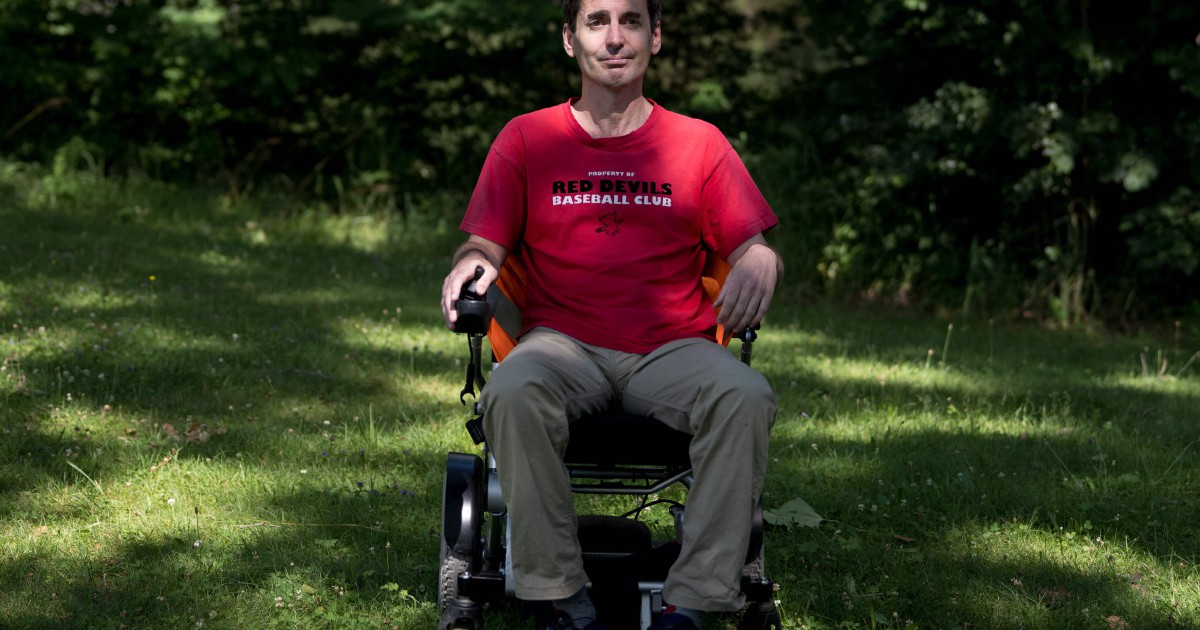
Mex Muellner, a wheelchair user in Austria, has become the face of a novel legal strategy against climate inaction by taking his own government to court. Confined to his mobility device during periods of extreme heat, Muellner has determined that pursuing litigation represents his best avenue for compelling meaningful action on climate change. His case reflects a broader shift in how citizens across Europe are attempting to leverage human rights frameworks to pressure governments into accelerating their transition away from fossil fuels.
The Austrian's lawsuit represents one of several climate-related human rights cases now working through European courts. Rather than challenging emissions targets or renewable energy policies directly, Muellner's approach focuses on the tangible impacts that inadequate climate preparation has on his personal safety and dignity. His experience navigating heatwaves while managing a physical disability underscores how climate change does not affect populations uniformly—those with mobility limitations, the elderly, and other vulnerable groups face disproportionate risks during extreme weather events.
Austria, while positioned as one of Europe's wealthier and more progressive nations, has faced persistent criticism from climate advocates who argue that its renewable energy transition remains insufficient given the accelerating pace of global warming. The Alpine nation generates substantial hydropower, yet coal and gas continue to play significant roles in its energy mix. Muellner's case highlights the gap between Austria's green image and the lived reality of citizens experiencing more frequent and intense heat episodes without adequate infrastructure or policy protections.
For individuals with limited mobility, extreme heat presents specific challenges that extend beyond mere discomfort. Wheelchair users depend on functioning infrastructure—air-conditioned public spaces, accessible cooling centres, and reliable transportation systems—that may become compromised during heatwaves. Additionally, the physical exertion required to maintain mobility in extreme temperatures can pose genuine health risks. Muellner's experience encapsulates these realities, demonstrating how climate inaction translates into restricted freedom and compromised quality of life for disabled citizens.
The significance of Muellner's case extends beyond Austria's borders. Southeast Asian nations, where many Malaysian peers reside, face even more acute climate pressures from rising temperatures and humidity. Though this particular lawsuit unfolds in the European human rights system, the legal arguments and evidence presented could influence how courts in other jurisdictions view climate-related claims. Malaysia's own development and construction sectors, along with its exposure to coastal flooding and heat stress, make climate litigation an increasingly relevant consideration for policymakers and civil society.
Human rights courts across Europe have begun recognising that government failures to mitigate climate change can constitute violations of fundamental rights—to life, to private and family life, and to freedom from degrading treatment. This jurisprudential shift represents a significant development in climate law. Rather than relying solely on environmental statutes or energy regulations, activists and affected citizens now argue that climate inaction breaches obligations governments have undertaken through human rights treaties and conventions.
Austria's response to Muellner's case will likely signal how receptive European courts are to linking climate inadequacy with human rights breaches. The government may argue that climate policy involves complex technical and economic considerations beyond the scope of individual rights claims, or it may contend that it has taken sufficient measures proportionate to its circumstances. These counterarguments will be tested against evidence of Austria's current climate trajectory, the adequacy of its adaptation measures, and whether specific groups face heightened vulnerability.
The case also reflects frustration with the pace of change through conventional political channels. Voters across Europe have punished parties perceived as soft on climate, yet actual policy implementation remains incremental. When legislative routes appear insufficient, litigation becomes an alternative mechanism for creating pressure and forcing governments to justify their actions in public proceedings. Muellner's strategy essentially weaponises human rights law to compel climate accountability.
For Malaysian observers, the Austrian case demonstrates how climate vulnerabilities—already significant in tropical Southeast Asia—increasingly intersect with human rights obligations and legal accountability. As Malaysia continues developing its renewable energy capacity and managing climate impacts, understanding how international human rights frameworks treat climate-related claims becomes strategically important for both government planning and civil society advocacy.
The broader pattern of climate litigation in Europe suggests that courts may prove more receptive to rights-based climate arguments than legislatures and executives have been responsive to grassroots pressure. Muellner's lawsuit, however it concludes, has already succeeded in placing climate adaptation and disability access squarely within a human rights discourse. This framing shift—from environmental concern to fundamental rights violation—may ultimately prove as consequential as any specific ruling.

