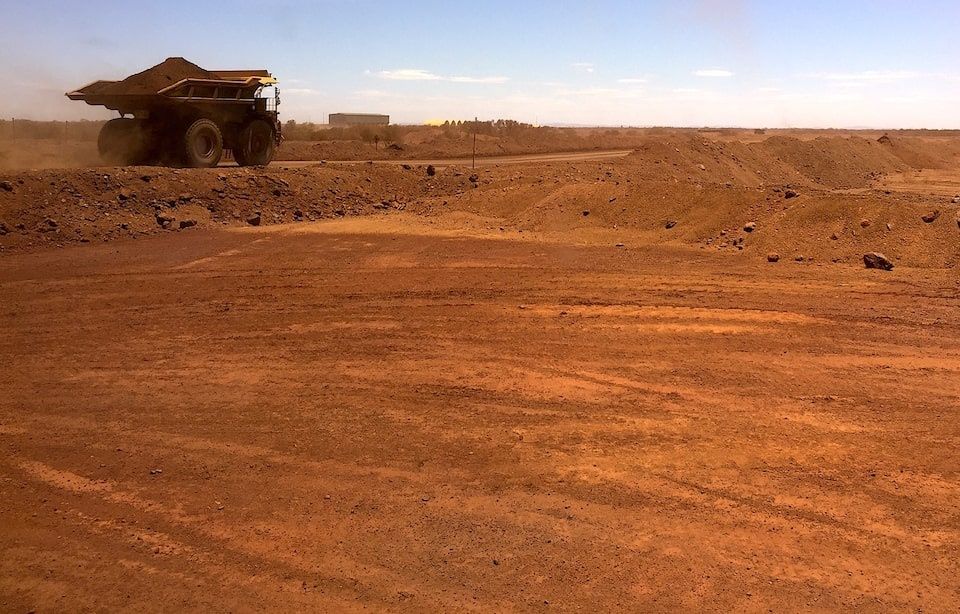
A discovery by researchers at Edith Cowan University (ECU) in Western Australia has revealed that the state's massive iron ore deposits could become an unconventional source of clean hydrogen energy. The research team from ECU's School of Engineering has identified magnetite, a naturally occurring iron oxide mineral buried beneath Western Australia's distinctive red soil, as capable of generating hydrogen gas through chemical reactions with hot water occurring deep underground. This breakthrough offers fresh perspectives on both natural hydrogen formation processes and the potential for sustainable energy production in one of the world's resource-rich regions.
The research addresses a growing global need for alternative energy sources as nations pursue decarbonisation targets. Hydrogen produced through natural geological processes represents a fundamentally different approach from conventional industrial hydrogen production, which typically relies on steam reforming of natural gas or electrolysis powered by electricity grids. The discovery in Western Australia is particularly significant because it points to an energy resource that requires minimal processing compared to synthetic hydrogen production methods, potentially reducing the overall environmental footprint of hydrogen supply chains.
The ECU team's experimental methodology involved rigorous laboratory testing designed to simulate the extreme conditions found kilometres beneath the Earth's surface. Researchers exposed magnetite samples to water heated to 200 degrees Celsius under high pressure conditions, maintaining these parameters over a 60-day period to observe hydrogen generation patterns. This extended timeframe allowed scientists to gather meaningful data on production rates and sustainability, moving beyond simple proof-of-concept demonstrations. The experimental design reflects careful consideration of the geological processes occurring in deep subsurface environments where such reactions would naturally occur.
Western Australia's geological structure provides exceptional advantages for this type of energy exploration. The state contains some of the world's largest banded iron formations, ancient geological structures formed billions of years ago that contain vast quantities of magnetite and other iron minerals. These formations extend across thousands of square kilometres and represent an essentially untapped resource for hydrogen generation. The concentration and accessibility of these deposits in Western Australia create conditions rarely found elsewhere globally, positioning the state as a potential leader in natural hydrogen exploration and development.
The research findings, published in the International Journal of Hydrogen Energy, reveal that successful hydrogen production depends on multiple interconnected factors beyond simply having magnetite present in sufficient quantities. Critically, the study demonstrated that water must be able to access fresh mineral surfaces continuously through natural fractures, pores and permeable pathways in the rock formations. This access mechanism determines how effectively the chemical reaction can proceed over extended periods. The research team found that optimising these pathways could substantially amplify hydrogen generation rates, suggesting that targeted geological interventions might enhance natural production.
The potential application of injecting solutions into banded iron formations represents an innovative approach to boosting hydrogen yields from these natural deposits. Rather than accepting whatever hydrogen is naturally generated, the research suggests that controlled introduction of specific substances could stimulate chemical reactions and maintain productive conditions. This technique bridges conventional resource extraction and natural process enhancement, potentially offering operators greater control over production rates than purely passive natural hydrogen seepage would provide. However, such interventions would require careful environmental assessment and regulatory oversight.
For Southeast Asian readers and policymakers, this Australian discovery carries several implications. Regional nations increasingly seek diversified energy sources to reduce dependence on fossil fuels and meet climate commitments. While Southeast Asia may not possess the same geological formations as Western Australia, the research methodology and fundamental understanding of natural hydrogen generation could inform exploration efforts elsewhere in the region. Several Southeast Asian countries have substantial mineral resources and unexplored geological potential that warrants investigation through similar scientific approaches.
The timing of this discovery coincides with global acceleration in hydrogen economy development. Major industrial nations and multinational corporations are investing heavily in hydrogen production infrastructure and end-use applications ranging from steel manufacturing to transport. Natural hydrogen sources could provide a competitive advantage to regions capable of accessing them economically. Australia's position as a global energy exporter means that commercialising natural hydrogen could reshape the nation's energy export profile significantly in coming decades, potentially complementing rather than replacing traditional fossil fuel exports during an extended transition period.
The research also highlights the importance of sustained scientific investment in unconventional energy sources. Universities like ECU conducting fundamental research create knowledge foundations that private industry can later develop into commercial applications. The pathway from laboratory discovery to industrial-scale production typically requires years of additional research, pilot projects, and regulatory navigation. Nonetheless, early-stage findings of this quality can catalyse broader research programmes and attract investment from both government agencies and private entities interested in emerging energy technologies.
Commercialisation timelines remain uncertain, as moving from laboratory experiments to economically viable production requires solving numerous technical, environmental and regulatory challenges. Western Australia's existing expertise in large-scale mineral extraction and processing provides advantages in developing production infrastructure if natural hydrogen proves commercially viable. However, the cost of extracting and processing hydrogen from these deposits must eventually compete with alternative production methods and other energy sources on the global market.
The research team's findings suggest that Western Australia's iron ore deposits represent far more than conventional mining resources. By revealing hydrogen generation potential in magnetite, the research opens possibilities for integrated resource development where hydrogen production could complement or eventually partially replace traditional iron ore mining operations. This perspective shift could influence long-term strategic planning for the region's resource sector.
As global energy transitions accelerate, discoveries like this remind policymakers and industry participants that abundant natural resources often possess multiple potential applications awaiting technological and scientific breakthroughs. The Edith Cowan University research demonstrates that conventional mineral deposits may harbour energy solutions aligned with decarbonisation objectives, warranting expanded geological exploration and scientific investigation across resource-rich regions worldwide.

