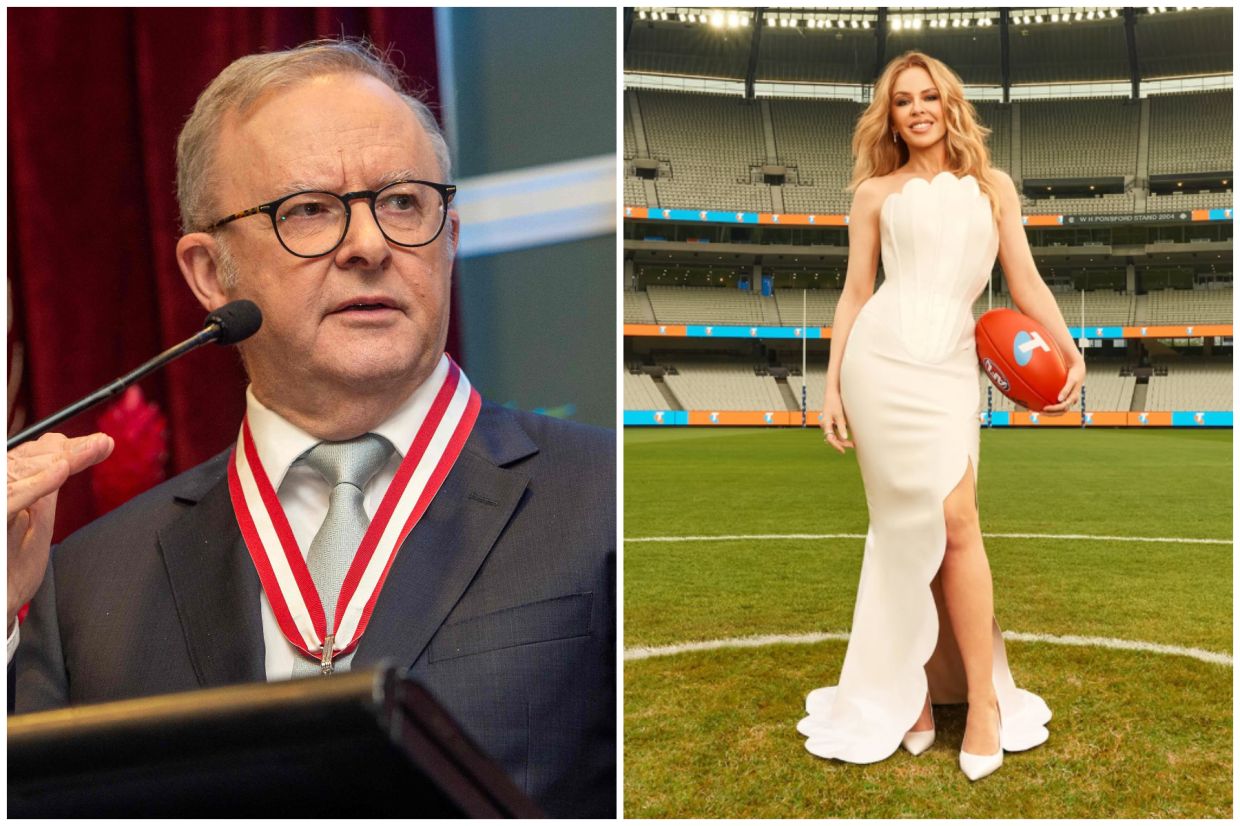
Australian Prime Minister Anthony Albanese issued a formal apology on Monday following backlash over inappropriate comments he made regarding international pop icon Kylie Minogue during a recent podcast interview. The remarks have sparked criticism across Australian political circles and raised questions about the standards expected of high-ranking public officials when appearing on informal media platforms.
During his appearance on a local comedy podcast the previous week, Albanese was posed the popular "would you rather" question asking him to choose which Australian entertainer he would "shag, marry, date." Initially attempting to avoid the question, the Prime Minister ultimately selected Minogue, the globally recognised Australian pop star. When podcast host Nikki Osborne pressed him further by asking which action he would assign to the singer, Albanese responded by suggesting all three options applied, in effect making crude sexual innuendo about the celebrity.
The comments drew swift condemnation from parliamentary colleagues and observers of public discourse. One Australian lawmaker publicly characterised the remarks as displaying disrespect and representing a significant lapse in judgment on the part of the nation's leader. The incident has renewed broader conversations about appropriate conduct for elected officials, particularly when engaging with entertainment and comedy platforms that may encourage informal or provocative exchanges.
Facing mounting pressure over the controversy, Albanese's office released a statement in which he expressed his regret. "I apologise unequivocally for the comments," the Prime Minister said, acknowledging the inappropriate nature of his words without offering extensive explanation or context for why he had made them during the podcast recording.
Minogue, who became an international celebrity through her role in the long-running Australian television soap opera before launching a hugely successful music career spanning decades, has remained one of Australia's most recognised cultural exports globally. Her status as a beloved figure in Australian popular culture may have amplified the sensitivity surrounding the Prime Minister's remarks, as public figures making crude comments about national icons often face particular scrutiny.
The incident reflects ongoing tensions between the informal, often comedic nature of podcast conversations and the formal expectations placed upon national leaders. Many contemporary politicians have faced similar situations where casual remarks made in relaxed settings—whether during interviews, social media exchanges, or entertainment appearances—have attracted criticism or required correction. The challenge of maintaining a consistent public image across multiple platforms and communication styles has become an increasingly complex aspect of modern political life.
Albanese's quick apology may help limit the damage from the controversy, though the episode serves as a reminder of the heightened scrutiny applied to political leaders' public statements. In an age where audio and video content circulates rapidly across social media platforms, comments intended as humour within a specific entertainment context can acquire new meanings and reach audiences far beyond their original setting.
The broader implications of the incident extend beyond the immediate personalities involved. It raises questions about which standards should apply to political figures when they appear on entertainment programmes, and whether the informal nature of podcast conversations should influence expectations around decorum. Some observers argue that politicians must maintain dignity and appropriate conduct regardless of setting, while others contend that overly rigid standards may prevent leaders from appearing relatable to younger audiences who consume media through informal channels.
For Albanese, the apology represents an attempt to move past the controversy while acknowledging that his comments fell short of acceptable standards. Whether this swift response will fully quell the criticism remains to be seen, though the willingness to apologise unequivocally, rather than defend or minimise the remarks, suggests an effort toward damage control. The incident may also prompt reflection within political circles about the potential risks of casual participation in entertainment and comedy formats, even when such appearances are intended to humanise political leaders.

