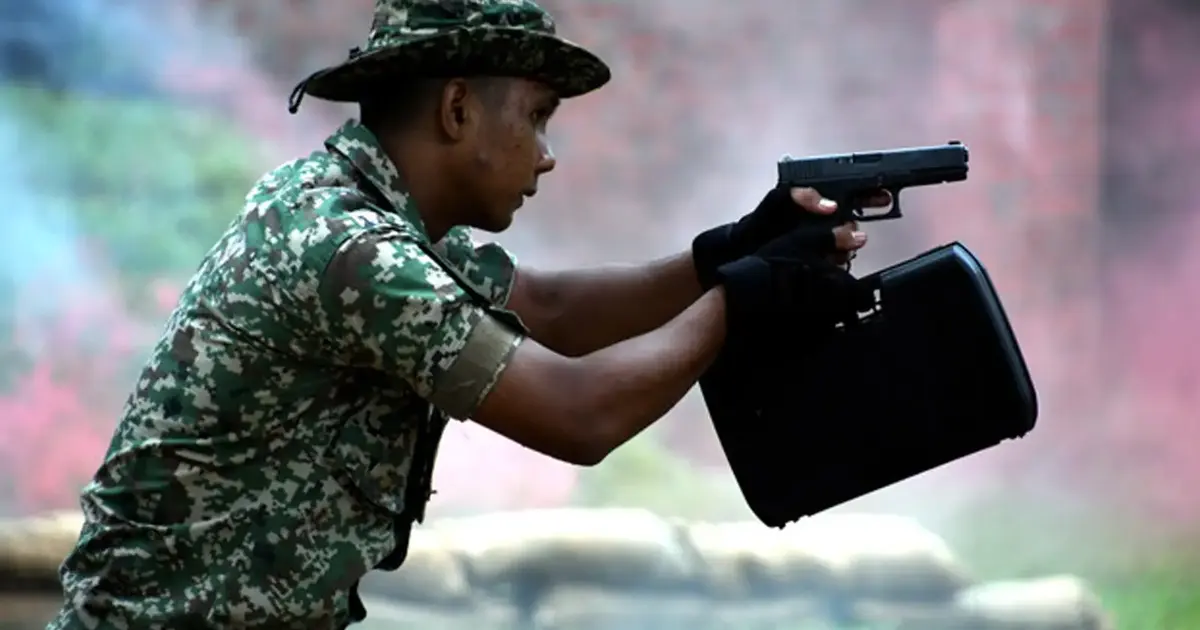
The Australian Army has initiated a formal investigation into an incident that occurred at Hobart Camp, with authorities responding swiftly by suspending operations at the facility's live-firing training range. The decision to temporarily close the weapons range reflects the military's commitment to operational safety protocols and its intent to thoroughly examine the circumstances surrounding the incident before resuming normal training activities.
Details regarding the specific nature of the incident remain limited, though the deployment of investigative procedures suggests the matter warrants serious scrutiny. The temporary closure of live-firing facilities underscores the Australian Defence Force's approach to managing potential safety concerns, particularly within training environments where the risks associated with weapons handling demand rigorous oversight.
Hobart Camp serves as a significant training installation for Australia's military operations in Tasmania, hosting personnel engaged in various combat readiness and tactical exercises. The suspension of the live-firing range impacts ongoing training schedules and reflects the institution's prioritisation of comprehensive incident review over maintaining uninterrupted operational timelines.
For Southeast Asian nations monitoring regional military developments, the Australian Defence Force's handling of this matter demonstrates institutional mechanisms for accountability and safety management within Allied defence structures. Regional partners often evaluate the operational standards and incident response protocols of major military establishments, as these reflect broader capabilities and reliability assessments.
The investigation process will likely involve documentation of events preceding the incident, examination of equipment and facilities, and review of personnel conduct and adherence to established safety procedures. Such inquiries typically require coordination between multiple departments within defence establishments and may involve external oversight bodies depending on the incident's severity.
Temporary closure of training facilities carries operational and budgetary implications for defence planning. Personnel scheduled for live-firing exercises must be redirected to alternative training schedules, potentially affecting readiness timelines and force deployment preparations. The duration of the closure, contingent upon investigation findings, will determine the broader impact on military training operations across the broader Australian Defence Force.
This incident occurs within a context of heightened attention to military safety standards across the Indo-Pacific region. Australian defence capabilities remain integral to regional security frameworks, particularly given Australia's strategic partnerships and commitments to maritime security and regional stability initiatives.
The inquiry process reflects international best practices in military safety management. Defence establishments worldwide have increasingly formalised investigation protocols following incidents, recognising that transparent and thorough examinations strengthen institutional credibility and inform preventative measures.
Stakeholders within Australia's defence and political spheres will monitor investigation conclusions closely. Findings may inform policy adjustments, procedural modifications, or equipment reviews depending on root causes identified. Such outcomes frequently influence training protocols across related facilities and defence branches.
For Malaysian defence observers, the Australian military's institutional response to operational incidents provides insight into procedural frameworks within major regional defence organisations. Malaysia's own defence establishment maintains operational relationships with Australian counterparts, and institutional practices regarding safety and incident management influence bilateral collaboration dynamics.
The suspension period will conclude once investigators determine the incident's causes and establish conditions for safe resumption. This timeline-dependent approach contrasts with blanket facility closures, suggesting confidence in the investigation's ability to identify specific remediating factors rather than systemic deficiencies.
Regional security analysts note that military incident management reflects broader institutional maturity within defence forces. Transparent investigation processes and willingness to temporarily restrict operations demonstrate accountability mechanisms that strengthen international confidence in defence partnerships and operational reliability.
As investigations proceed, the Australian Defence Force will likely issue subsequent communications addressing findings and any corrective actions implemented. Such disclosures inform not only domestic stakeholders but also international partners regarding military operational standards and commitment to safety-first protocols in training environments.

