Australia's transport safety authorities have launched a formal investigation into a troubling series of runway incidents at Sydney Airport that have raised concerns about the adequacy of air traffic control oversight and personnel management at one of the country's busiest aviation hubs. Within the span of just fourteen days in late July and early August, three separate near-collision events occurred at the airport, prompting intensive scrutiny from regulators and calls for comprehensive systemic review.
The most recent incident unfolded on the morning of August 9, when a Virgin Australia Boeing 737 had received formal clearance from air traffic control to commence takeoff. However, as the aircraft began its runway departure sequence, the flight crew identified a Qantas plane actively crossing the runway directly ahead of their intended flight path. Both aircraft had apparently received clearance from the control tower—the Qantas flight to taxi across the runway and the Virgin Australia jet to take off. The Virgin Australia crew executed an immediate abort procedure, bringing their aircraft to a complete halt approximately one kilometre away from the Qantas aircraft, narrowly averting a potentially catastrophic collision.
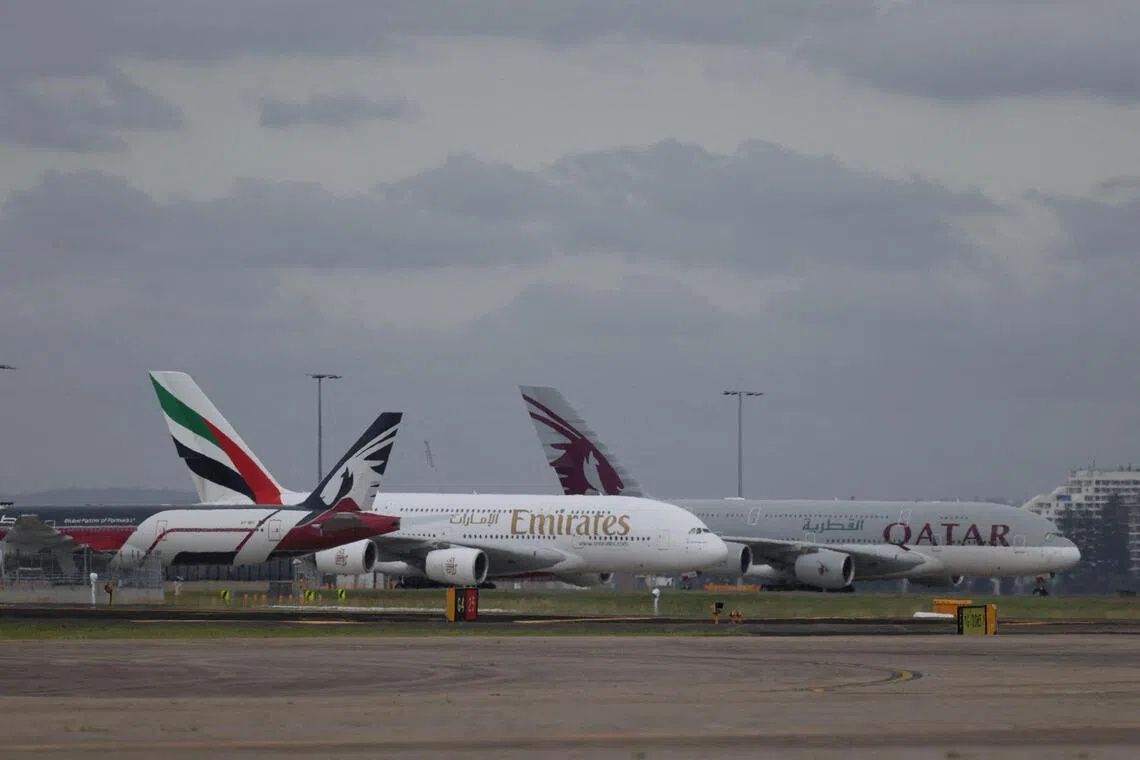
The gravity of the situation intensified by the fact that earlier that same morning, a separate incident had already occurred when a Jetstar pilot was forced to apply emergency braking procedures to avoid a collision with a Qatar Airways aircraft. Two dangerous situations in a single operational day at one of Australia's critical aviation infrastructure points represents a significant anomaly that demands explanation and remedial action.
These August incidents were not isolated; they followed an earlier near-miss on July 27 when two Qantas aircraft nearly collided after both had been cleared for takeoff. The cumulative pattern of three incidents within two weeks suggests potential structural weaknesses in the airport's air traffic control system, procedures, or resource allocation that warrant urgent investigation.
Angus Mitchell, the Chief Commissioner of the Australian Transport Safety Bureau, addressed the concerning pattern on August 14, attempting to balance public reassurance with acknowledgment of the seriousness of the events. Mitchell stated that investigators would examine not only the immediate circumstances surrounding each incident but also any underlying organisational or systemic factors that may have contributed to the occurrences. His commitment to comprehensive investigation signals that authorities are treating these as symptomatic of potential deeper issues rather than isolated pilot or controller errors.
The investigative process will encompass multiple variables that typically influence airport operations, including the volume of aircraft movements at the time of each incident, the staffing levels within the control tower, shift patterns, fatigue factors, and the qualifications and experience levels of personnel on duty. Mitchell explicitly noted that investigators would evaluate how busy the airport was during each occurrence and what manning resources were available in the tower, suggesting that capacity constraints may have played a role.
A particularly intriguing detail emerged regarding the delayed reporting of at least one incident. Questions arose about why notification of these serious events took longer than expected, indicating potential gaps in incident escalation procedures or communication protocols. Mitchell disclosed that on August 9, a supervisory or training situation was taking place at the airport, a revelation that introduces another variable into understanding how the cascade of near-misses occurred and why response procedures may have been affected.
The timing of these incidents has exposed vulnerabilities during a period of significant operational expansion for Australia's aviation sector. Mitchell acknowledged that the industry is currently experiencing substantial growth in air traffic services, necessitating aggressive recruitment, training, and qualification of additional air traffic controllers to manage increased flight volumes. This expansion phase, while economically positive, may have created operational pressures or gaps if the training pipeline has not been adequately managed to maintain safety standards during the transition period.
Sydney Airport serves as Australia's largest and most strategically important aviation gateway, handling hundreds of daily commercial movements connecting the country to international markets and domestic centres. Any sustained pattern of control issues at this facility carries implications not only for passenger safety but also for Australia's reputation as a reliable aviation jurisdiction and the confidence of airlines operating within the region. For Malaysian carriers and travellers using Sydney Airport—a major hub for regional connections—the safety implications are directly relevant.
Prime Minister Anthony Albanese has weighed in on the matter, calling for investigation alongside the transport safety bureau's formal review, indicating that the incidents have attracted political attention and will receive scrutiny at the highest government levels. This multi-level focus suggests that authorities recognise the potential for systemic implications that could extend beyond Sydney Airport to other Australian aviation facilities.
The investigation's scope will prove critical in determining whether these incidents reflect temporary, controllable circumstances or indicate persistent structural deficiencies requiring substantial operational or resource changes. Australia's aviation safety record has historically been strong, and authorities will be motivated to prevent any erosion of that standing. The findings and resulting recommendations will likely influence how other major airports in the Asia-Pacific region approach traffic control procedures, staffing protocols, and incident reporting systems.
For the travelling public, Mitchell's statement that investigators will examine comprehensive evidence provides some reassurance, though the occurrence of three near-misses in two weeks underscores the critical importance of rigorous safety protocols at every operational level. The investigation outcomes may ultimately reshape how air traffic management is conducted not only at Sydney but potentially across Australia's aviation network.

