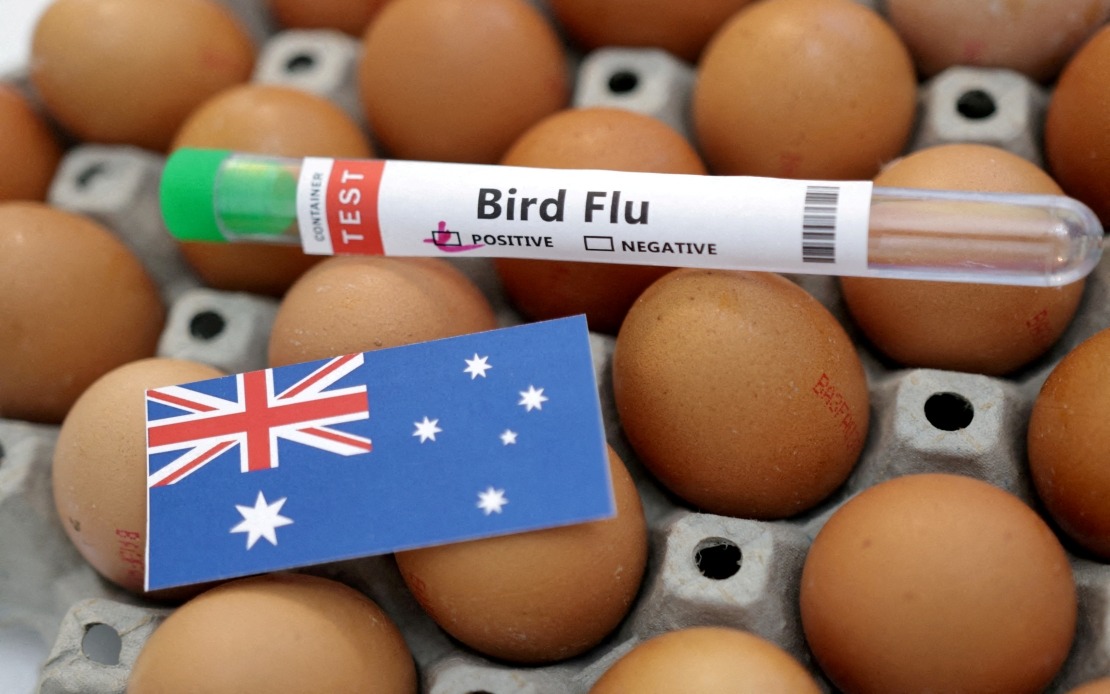
Australia has detected the first confirmed case of H5N1 avian influenza in local, non-migratory wildlife, representing a notable escalation in how the highly pathogenic strain is spreading across the region. Agriculture Minister Julie Collins announced on Friday that a greater crested tern discovered dead near Robe in South Australia has tested positive for the deadly virus. This discovery represents the first time the strain has been identified in native Australian bird populations on the mainland, breaking a pattern that has so far limited detections to migratory species arriving from sub-Antarctic regions.
The implications of this finding extend beyond Australia's borders and carry significance for Southeast Asia's biosecurity infrastructure. The detection of H5N1 in resident bird populations suggests the virus is establishing itself in new ecological niches, potentially increasing the risk of spillover to domestic poultry and human populations across the region. For Malaysia and neighbouring countries, this development underscores the need for heightened vigilance in monitoring local bird populations and strengthening surveillance networks that track zoonotic disease movement through shared ecosystems.
Minister Collins stressed that Australian health authorities are treating the case with appropriate urgency. Investigators are working to determine how the greater crested tern became infected, since the bird's non-migratory status suggests exposure occurred within Australian territory rather than during transit from distant regions. The strain's appearance in a resident coastal species raises questions about environmental reservoirs and transmission routes that may differ significantly from those observed with visiting migratory birds.
In response to the positive case, South Australian authorities have implemented enhanced surveillance protocols in the vicinity of Robe and surrounding coastal areas. These measures reflect standard epidemiological practice designed to identify whether additional cases exist in local bird populations and to map the virus's geographic boundaries. The surveillance strategy will prove crucial in determining whether this single case represents an isolated incident or signals the beginning of H5N1 establishment in Australian wildlife populations.
Australia's detection efforts have proceeded swiftly, and authorities have already identified additional positive cases following the initial discovery. Two further H5N1 infections have been confirmed in South Australia, while Western Australia has reported one additional case. These multiple detections within such a compressed timeframe suggest that surveillance systems are functioning effectively and that the virus's presence may have been underestimated prior to intensive testing protocols. The cumulative total of 12 confirmed cases on the Australian mainland reflects rapid case ascertainment rather than explosive spread.
The timing of these detections carries particular significance given Australia's previous status as the sole inhabited continent without confirmed H5N1 presence in local populations. The country's isolation has historically served as a natural barrier against many transboundary animal diseases. However, the virus's arrival in June in Western Australia, followed by subsequent detections in South Australia, indicates that geographic distance no longer provides reliable protection against highly pathogenic avian influenza. This reality has profound implications for disease control strategies across the Indo-Pacific region, where countries share migratory bird routes, trade networks, and increasingly interconnected food systems.
Minister Collins characterised the development as concerning yet not wholly unexpected, framing it within the context of Australia's established biosecurity apparatus. This balanced assessment reflects the reality that H5N1's global expansion has made its appearance in Australia inevitable rather than preventable. The minister's confidence in the nation's biosecurity system rests on the capacity to detect, contain, and investigate outbreaks efficiently—capabilities that have proven effective in this instance through rapid identification and follow-up investigations.
For Southeast Asian nations including Malaysia, Australia's experience offers both cautionary lessons and practical demonstrations of effective response. The region has contended with H5N1 for decades, experiencing periodic outbreaks in poultry populations and occasional human infections. Australia's initial insulation from sustained H5N1 circulation was attributable to strict quarantine measures, geographic isolation, and stringent biosecurity protocols at entry points. The virus's penetration of these defences suggests that heightened measures may be necessary across the region to prevent similar breaches in Southeast Asian border security and wildlife monitoring systems.
The investigation into transmission pathways will provide valuable epidemiological intelligence for the region. Understanding how the greater crested tern acquired infection may illuminate previously unrecognised routes of viral spread that could affect Southeast Asian populations. Whether transmission occurred through contact with contaminated water sources, interaction with other infected birds, or exposure to environmental reservoirs remains to be determined through ongoing scientific inquiry.
Looking forward, Australia's confirmed cases will likely prompt increased H5N1 surveillance in neighbouring regions and intensified monitoring of shared migratory corridors. The virus's confirmed presence in Australian resident bird species may necessitate revised risk assessments for the entire Indo-Pacific zone. Authorities across Southeast Asia will face pressure to enhance their own detection capabilities and to strengthen coordination mechanisms for reporting and responding to avian influenza detections.
The broader public health context cannot be overlooked. While H5N1 transmission to humans remains relatively rare, the virus's establishment in new geographic locations increases the probability of eventual human exposure. Malaysia and other regional nations must ensure that their human healthcare systems maintain readiness to identify and manage potential cases, particularly among individuals with occupational exposure to poultry or wildlife. Pandemic preparedness frameworks developed during COVID-19 will require adaptation to address avian influenza risks.
Australia's response demonstrates that robust detection systems can identify emerging threats rapidly, even when those threats were previously thought unlikely to manifest. This capability provides a template for regional cooperation and information sharing. Southeast Asian countries can benefit from the technical expertise Australia has developed and from the collaborative frameworks being established through this outbreak investigation. The challenge now lies in translating this discovery into coordinated regional action that strengthens biosecurity across multiple countries while maintaining open communication channels that enable rapid threat assessment and proportionate policy responses.

