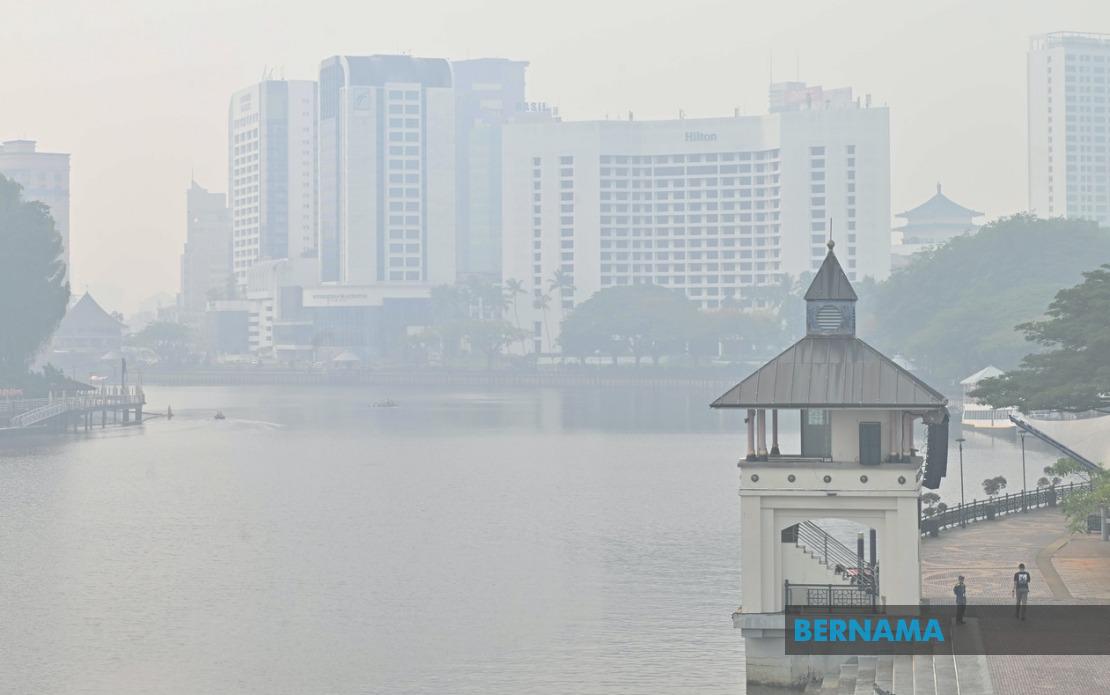
ASEAN must undertake an immediate, high-level reappraisal of its transboundary haze agreement and establish a more robust, time-bound and legally binding regional action plan to prevent the recurring air pollution crisis from escalating further, according to social activist Tan Sri Lee Lam Thye. His comments underscore growing frustration among regional observers at the persistent failure to contain seasonal transboundary haze despite decades of diplomatic frameworks and regional cooperation pledges.
The core argument centres on a fundamental shift in how ASEAN approaches the problem. Rather than continuing to react to haze episodes after they occur, Lee contends that the bloc must transition toward genuine prevention strategies backed by clear accountability mechanisms and enforcement teeth. This distinction matters significantly for Malaysia and other countries regularly choked by Indonesian forest fires and agricultural burning, where public health impacts have mounted steadily over successive dry seasons.
The ASEAN Agreement on Transboundary Haze Pollution, signed in Kuala Lumpur on June 10, 2002, and operationalised the following year, represented an important regional consensus at its inception. Over more than two decades of implementation, however, the accord has proved insufficient to arrest recurring fire outbreaks and the cross-border smoke that periodically blights Southeast Asian skies. Lee's critique effectively questions whether institutional frameworks alone can solve a problem rooted in divergent national interests, limited enforcement capacity, and the sheer scale of land conversion pressures in the region.
The social activist specifically rejected attributing the haze crisis entirely to natural climate factors. While the ASEAN Specialised Meteorological Centre has highlighted concerning signals—including strengthening El Niño conditions, below-normal rainfall patterns, and prevailing wind directions favouring southern ASEAN regions—Lee emphasised that meteorological circumstances provide only part of the explanation. Human activities, particularly industrial-scale forest clearing and agricultural land preparation through open burning, transform what might otherwise remain localised dry-season phenomena into transnational environmental emergencies affecting millions.
Lee's proposed remedies address the implementation gap plaguing the existing agreement. He called for transparent, measurable targets governing fire prevention, hotspot reduction, and the elimination of persistent transboundary pollution sources. Without such quantifiable benchmarks, regional commitments remain aspirational rather than binding. Similarly, his emphasis on corporate and individual accountability for illegal burning and land clearing identifies a critical enforcement deficit: offenders in one country face minimal consequences when damage occurs across borders, removing natural deterrents to irresponsible land management practices.
Investigative collaboration and evidence-sharing mechanisms rank high among his recommendations. When forest fires in one ASEAN nation blanket another in hazardous smoke, establishing clear protocols for cross-border investigations and information exchange becomes essential for accountability. Currently, this institutional infrastructure remains underdeveloped, allowing responsibility to blur and culpability to evade meaningful consequences. Malaysia and similarly affected countries struggle to obtain timely, verifiable data on fire sources and enforcement actions undertaken by neighbours.
Lee advocated for establishing a permanent regional haze response architecture featuring real-time satellite surveillance, rapid hotspot intelligence dissemination, coordinated firefighting capabilities, and explicitly delineated responsibilities during severe episodes. Such infrastructure would institutionalise rapid response rather than leaving countries to improvise during crises. The emphasis on permanence rather than ad-hoc measures acknowledges that transboundary haze represents a recurring structural problem requiring standing institutional solutions, not merely emergency protocols activated when air quality becomes critically dangerous.
Prevention systems designed to activate before the dry season fully arrives could reduce crisis intensity markedly. Joint early-warning frameworks combining meteorological forecasting with ground-based monitoring would provide crucial lead time for preventive measures. Enhanced cooperation on peatland stewardship and forest management directly addresses root causes, as peatland fires typically generate the most severe smoke and burn most intensely. Improved information transparency regarding hotspot locations, fire origins, and enforcement outcomes would enable affected nations to monitor compliance and identify persistent violators requiring escalated diplomatic pressure.
The Malaysian context gives particular urgency to these recommendations. During severe haze episodes, Malaysian air quality often reaches hazardous levels, disrupting economic activity, straining healthcare systems, and affecting public wellbeing across the nation. Yet Malaysia's diplomatic options remain limited—raising the issue too aggressively risks appearing confrontational, while accepting the status quo means absorbing repeated environmental damage. Lee's framing sidesteps this dilemma by recasting haze management not as interference in sovereignty but as a shared regional responsibility for collective wellbeing.
For Malaysia and other frontline nations, Lee's call for elevating the issue at ASEAN's highest political levels reflects an assessment that existing bureaucratic mechanisms have exhausted their utility. When middle-level officials continuously fail to achieve concrete progress, escalation to heads of government becomes necessary. Such elevation signals political commitment, makes inaction diplomatically costly, and potentially unlocks resources and policy flexibility otherwise unavailable through routine channels.
The broader implications extend beyond air quality management. ASEAN's response to transboundary haze will test whether the association can evolve beyond issuing statements toward genuine enforcement of regional agreements. Success requires acknowledging that protecting citizens' health sometimes demands challenging member states' domestic practices, a tension that has historically paralysed ASEAN consensus-building. Conversely, continued failure perpetuates a credibility deficit, suggesting the regional bloc functions primarily as a forum for diplomatic courtesy rather than a mechanism for addressing collective challenges.
Implementing Lee's suggestions would fundamentally reconstruct ASEAN's haze framework from aspirational to obligatory, from voluntary to binding, from reactive to preventive. Whether regional leaders possess the political will to embrace such transformation remains uncertain, particularly given competing national development priorities and the economic interests tied to land conversion in affected countries. Yet the mounting health and environmental costs of inaction suggest that reform, however challenging negotiatively, has become essential for maintaining ASEAN's relevance and protecting Southeast Asian populations from recurring transboundary air pollution crises.

