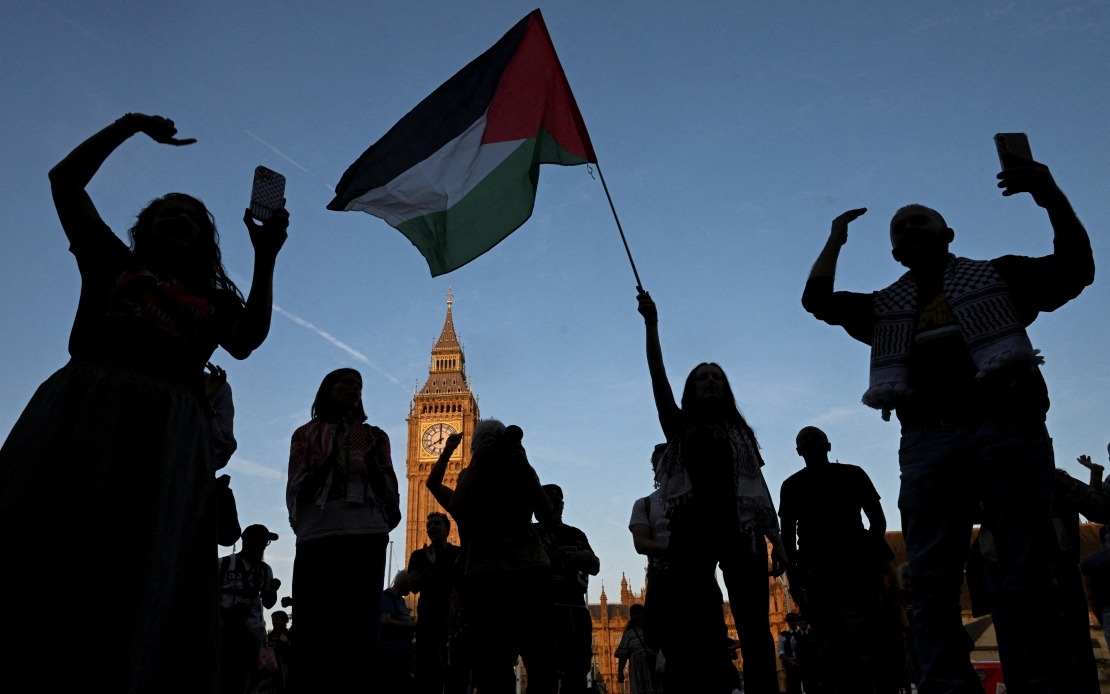
Newly appointed Arab League Secretary-General Nabil Fahmy has placed the Palestinian question at the centre of the regional bloc's strategic framework, signalling continuity in Arab diplomatic priorities even as the organisation navigates significant geopolitical pressures across the Middle East. Speaking at his inaugural press conference at the General Secretariat headquarters in Cairo on Monday, Fahmy articulated a comprehensive vision for the League's engagement with interconnected regional crises, framing Palestinian liberation as inseparable from broader Arab interests and international law.
The timing of Fahmy's statement carries particular significance for Southeast Asian observers tracking Middle Eastern affairs. Arab League positions on Palestine carry diplomatic weight throughout the Islamic world, including Malaysia and other Muslim-majority nations in the region, which maintain formal ties to Arab governments and cultural solidarity with Palestinian communities. Fahmy's explicit commitment to pursue the Palestinian cause suggests the League intends to maintain institutional pressure on this issue despite fragmented Arab state responses to recent regional conflicts.
Fahmy's language regarding Gaza and the West Bank represents an escalation in formal League rhetoric. By characterising Israeli military operations as "ongoing genocide," the Secretary-General aligned the Arab League's institutional position with increasingly strong language adopted by some member states and international bodies. This framing carries legal implications, as Fahmy emphasised that genocide carries no statute of limitations, suggesting the League may pursue or support international legal mechanisms against Israeli officials. Such moves could influence how Arab League member states engage with international criminal justice processes and bilateral relations with countries that recognise Palestinian statehood.
The Secretary-General's emphasis on Jerusalem warrants particular attention given the city's symbolic and religious importance to Arabs, Muslims, Christians, and Jews. Fahmy's insistence that Jerusalem's "Arab identity" must be preserved reflects Arab League anxiety about demographic and political changes in the city, particularly settlement expansion and municipal policies implemented by Israeli authorities. This focus suggests the League views Jerusalem as a flashpoint where identity politics and territorial claims converge, making it a non-negotiable element of any future settlement.
Fahmy's reference to Israeli actions extending beyond Palestinian territories into Lebanon introduces a significant expansion of the League's grievance framework. By linking Gaza, the West Bank, and Lebanese security concerns, the Secretary-General connected three distinct conflict zones into a unified narrative of Israeli expansionism. This approach potentially broadens coalition-building within the Arab League by framing Israeli military activities as a systemic threat affecting multiple member states. For Malaysia and other regional observers, this expanded geographical scope suggests the Arab League views Israeli-Arab tensions as part of a larger pattern rather than isolated incidents.
The invocation of Syrian Golan Heights occupation alongside Palestinian territorial grievances reflects the League's commitment to comprehensive Arab position-taking on territorial disputes. Though Syria has experienced significant internal conflict over the past decade, the Arab League continues treating Israeli control of the Golan as a live issue requiring collective Arab resistance. This principled stance, regardless of Syrian internal conditions, demonstrates how the League maintains certain historical positions as foundational to Arab League identity and legitimacy among member publics.
Fahmy's call for "more vigilant and proactive Arab action" acknowledges underlying divisions within the Arab League itself. Member states have pursued divergent approaches to Israeli relations, regional alignment, and conflict resolution. The new Secretary-General's emphasis on Arab consensus and collective will appears designed to rally fractious members around shared principles, even if implementation remains contested. For Malaysian policymakers tracking Arab League dynamics, this appeal to unity suggests the League may attempt coordinated diplomatic initiatives in coming months.
The Secretary-General's assertion that Arab solutions must emerge from "purely Arab will" rather than external direction carries implicit criticism of international frameworks that Arab states perceive as biased. This formulation suggests Fahmy intends to position the League as an autonomous actor capable of advancing Arab interests independent of Western diplomatic structures. Such positioning resonates with non-aligned perspectives prevalent in Southeast Asia, where many nations similarly emphasise regional autonomy in addressing local disputes.
Fahmy's commitment to supporting legal prosecution of individuals responsible for alleged crimes establishes a potential agenda for the Arab League's engagement with international institutions. This stance could manifest in formal requests for International Criminal Court investigations, support for universal jurisdiction claims, or backing for UN mechanisms examining alleged violations. For countries like Malaysia with active roles in international law forums, the Arab League's emphasis on legal accountability represents an important variable in global justice initiatives.
The Secretary-General's inaugural remarks suggest the Arab League intends to operate as a vigorous institutional actor rather than a moribund organisation. By articulating clear positions on multiple concurrent crises—Palestinian territories, Lebanon, Syrian Golan—and committing to legal accountability mechanisms, Fahmy signalled that the League will pursue an activist agenda. This posture could generate friction with some member states pursuing bilateral normalisation with Israel, potentially creating internal League tensions that ripple across Arab politics.
For Southeast Asia broadly, Fahmy's leadership transition matters because Arab League positions influence voting patterns in multilateral forums, shape diplomatic messaging, and affect Muslim-majority nation alignments on Middle Eastern questions. The League's renewed emphasis on Palestinian rights and legal accountability suggests Arab governments intend sustained engagement with this issue, potentially complicating any gradual normalisation processes. Malaysian policymakers and regional analysts should monitor whether Fahmy's bold inaugural statements translate into coordinated Arab League action or remain largely rhetorical.

