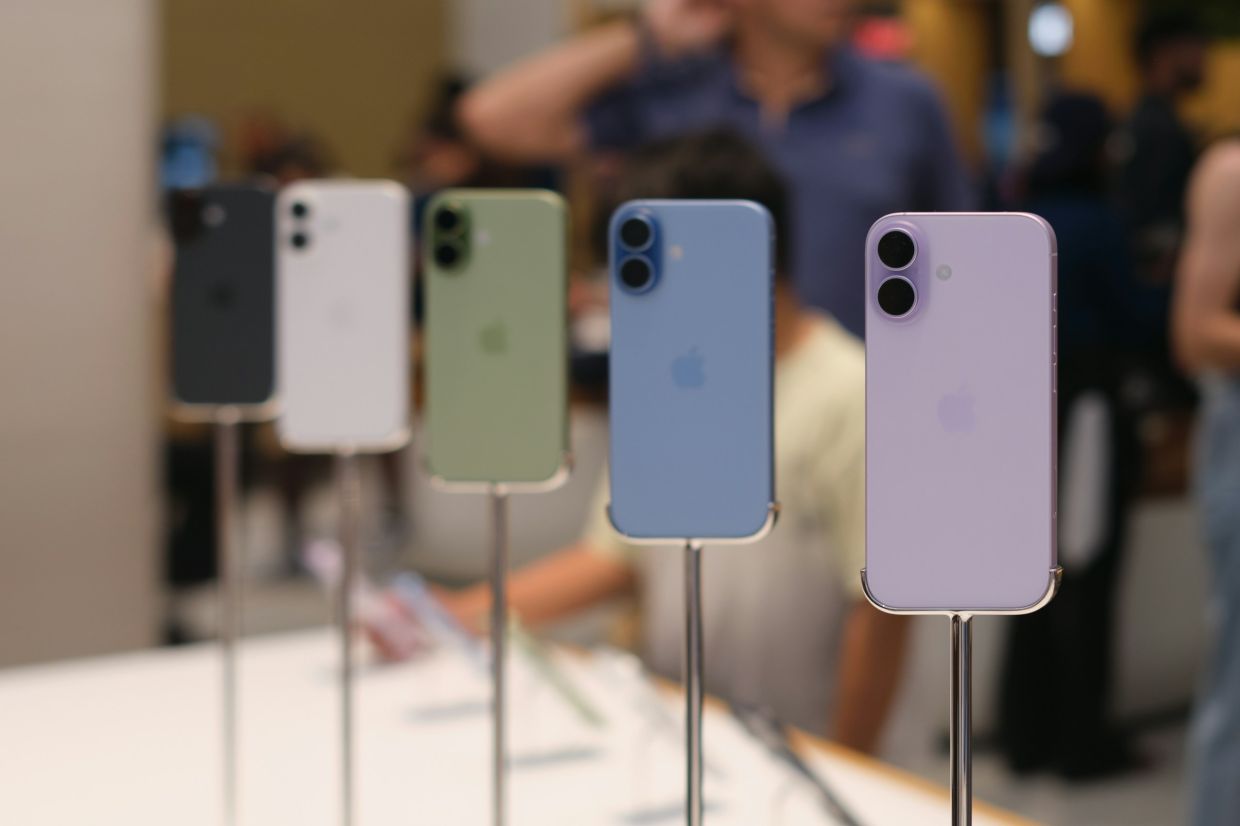
Apple Inc has filed a lawsuit against OpenAI alleging systematic intellectual property theft, a legal move that threatens to undermine the artificial intelligence company's nascent but ambitious plans to develop devices that could eventually rival the iPhone. The consequences of this lawsuit will likely materialize far more quickly than any final court judgment, creating immediate friction in recruitment efforts, complicating product development timelines, and casting a shadow over OpenAI's hardware ambitions that stretch across multiple product categories.
The allegations paint a troubling picture of coordination between OpenAI and Apple's departing talent. According to Apple's legal filing, OpenAI specifically requested that current Apple employees and prospective recruits bring confidential information about unreleased products to the artificial intelligence startup. Furthermore, the company claims OpenAI provided guidance on circumventing Apple's security protocols, allegedly using reference materials derived from the work of Apple's former iPhone design chief. Apple is pursuing both monetary damages and injunctive relief that would require OpenAI to cease the questioned activities and eliminate any proprietary materials in its possession.
While formal legal remedies could require years to resolve, the immediate damage to OpenAI's hardware initiative has already begun. The lawsuit itself functions as a potent deterrent to potential recruits considering a switch from Apple to OpenAI. Engineers contemplating such a move now face the prospect of scrutiny from Apple's security operations and executive leadership, a concerning possibility that may prompt them to remain at their current positions. This chilling effect on recruitment could substantially diminish the talent pipeline that OpenAI has worked aggressively to build over the past several years.
The scale of OpenAI's recruitment drive from Apple is staggering. The artificial intelligence company now employs more than four hundred former Apple workers, many of them drawn away with compensation packages so generous that Apple recently responded by implementing unusually substantial retention bonuses. In certain engineering divisions—particularly the iPhone design and development teams—OpenAI's recruiting success forced Apple to essentially rebuild entire organizational units. The talent drain has been severe enough that Apple's own executives began personally intervening to convince senior engineers to remain with the Cupertino-based company.
OpenAI has assembled what amounts to a formidable roster of hardware expertise. By combining hundreds of former Apple engineers with design luminaries such as Jony Ive and pairing this accumulated knowledge with leading-edge artificial intelligence technology, the company has positioned itself to potentially become Apple's most credible hardware competitor in decades. This prospect arrives at a particularly awkward moment for Apple, which itself struggles with artificial intelligence capabilities and is undergoing substantial reorganization of its own hardware organization. Even Apple executives have acknowledged the transformative potential that artificial intelligence poses to the consumer device landscape. During testimony in Google's antitrust trial, Apple services executive Eddy Cue remarked that the technology could render devices like the iPhone obsolete within a decade.
The immediate operational consequences of the lawsuit extend well beyond recruitment challenges. OpenAI's engineering culture will likely become more risk-averse as the lawsuit progresses. Former Apple employees may become reluctant to discuss their previous work experiences, while managers might hesitate to ask certain technical questions for fear of inadvertently touching upon confidential Apple information. The result could be an organization forced to operate with greater caution and reduced knowledge-sharing, precisely when hardware development requires rapid iteration and deep collaboration.
The lawsuit will introduce substantial administrative burdens that divert resources from productive engineering work. OpenAI's leadership will navigate the discovery process, submit to depositions, and coordinate with legal counsel over months or years. The company will likely implement new legal review procedures, strengthen internal controls, and mandate compliance training that pulls engineers away from active development. These administrative encumbrances, while perhaps individually manageable, collectively create friction that slows the pace of hardware innovation and elongates the path from concept to market introduction.
Supply chain dynamics present another constraint on OpenAI's hardware ambitions. The global electronics manufacturing ecosystem, despite its vast scale across Asia, comprises a relatively small community of suppliers with expertise in consumer device production. Apple's immense market power and long-standing supplier relationships mean that manufacturers may hesitate to deepen partnerships with OpenAI if doing so risks jeopardizing substantially larger and more stable business relationships with the iPhone maker or embroiling them in protracted litigation. This supply chain consideration could prove unexpectedly consequential to OpenAI's hardware timeline.
OpenAI initially indicated plans to announce its first product during the current year with a market release targeted for 2027, according to persons familiar with the company's strategy. The company has explored multiple device categories, including smart speakers and wearables, with an ultimate objective of launching an iPhone competitor. A non-smartphone product, presumably less technologically demanding to engineer than a direct iPhone rival, would likely debut first. However, the lawsuit has already introduced uncertainty about whether these timelines remain realistic, particularly given the complexities of defending against Apple's claims while simultaneously advancing sophisticated hardware development.
Apple's own hardware roadmap reflects significant ambition in areas where artificial intelligence could enhance functionality. The company is developing advanced wearables including sophisticated AirPods models, a pendant device, and smart glasses. Additionally, Apple is working on home-focused products spanning a tabletop robot, a smart display with facial recognition capabilities, and integrated security systems. These initiatives position Apple to compete with OpenAI across multiple product categories simultaneously, a strategic advantage that the lawsuit further reinforces by creating friction on OpenAI's development timeline.
The lawsuit demonstrates Apple's determination to protect what it perceives as systematically misappropriated trade secrets. The company characterized OpenAI's hardware efforts as nascent but undeniably nascent, suggesting that without intervention, the artificial intelligence startup could incorporate stolen intellectual property into products that eventually reach consumers. Apple noted that discovery and litigation processes are essential to expose and remedy what the company describes as pervasive trade secret theft. Bloomberg Intelligence analysts suggested that Apple would likely secure preliminary relief measures requiring isolation of disputed materials, preservation of evidence, and certified compliance, all of which would impose further constraints on OpenAI's development velocity.
OpenAI possesses meaningful advantages that could help it navigate these challenges. The company commands access to some of Silicon Valley's most accomplished engineering talent, possesses substantial legal resources to contest Apple's allegations, and benefits from leadership including former Apple executives like Jony Ive and Tang Tan, whose extensive relationships with suppliers, investors, and other strategic partners could prove invaluable in mitigating litigation fallout. Nevertheless, the mere filing of Apple's lawsuit has created a perception that may prove extraordinarily difficult for OpenAI to overcome, regardless of the legal case's ultimate outcome. The shadow cast by accusations of systematic intellectual property theft could deter talent recruitment, complicate supplier negotiations, and create friction within OpenAI's organization for years to come.
The strategic calculus underlying Apple's legal action extends beyond any eventual court judgment. By initiating this lawsuit, Apple may have already achieved something nearly as valuable as a definitive courtroom victory: imposing immediate friction on the company most actively working to develop the hardware ecosystem that might usurp the iPhone's central role in personal computing. Whether Apple ultimately proves its allegations of trade secret misappropriation remains uncertain, but the lawsuit has already begun reshaping the competitive landscape in Apple's favor, slowing OpenAI's path to market and complicating the artificial intelligence startup's recruitment and development efforts in ways that a years-distant court judgment could never fully remedy.

