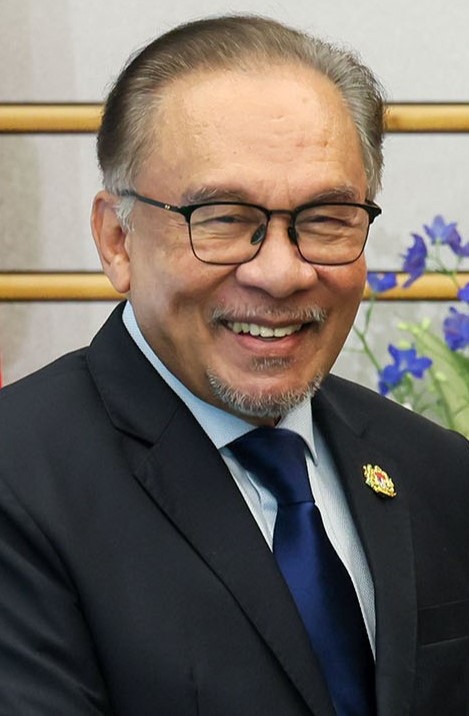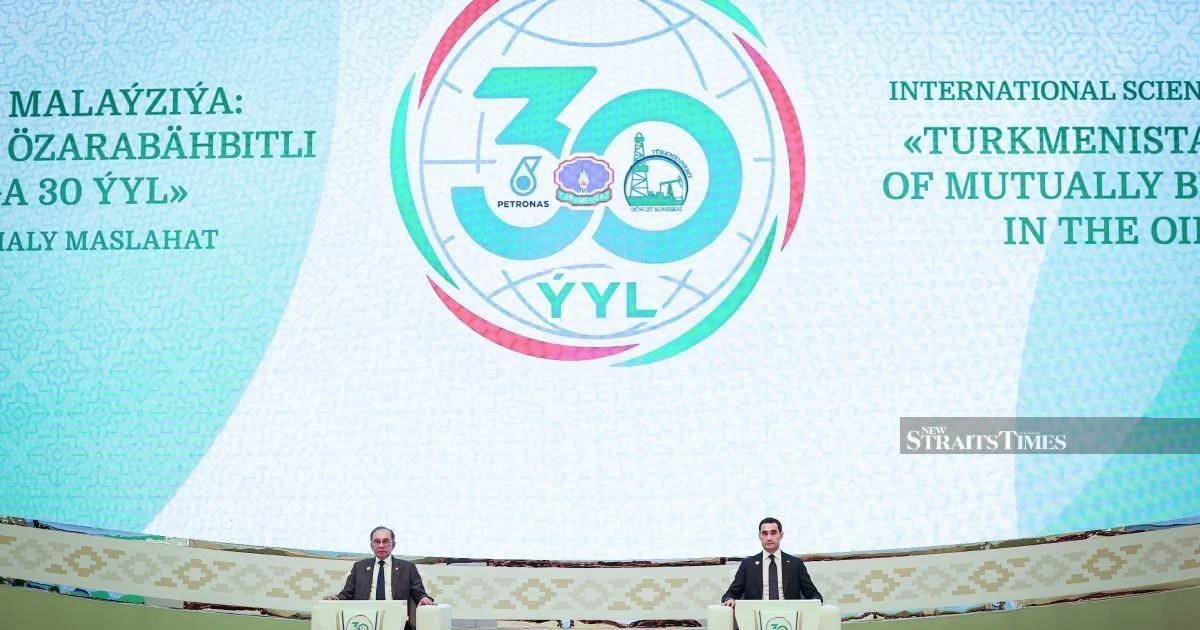
Prime Minister Datuk Seri Anwar Ibrahim's recent visits to Russia and Turkmenistan represent a pivotal moment in Malaysia's energy diplomacy, culminating in discussions that could reshape the nation's hydrocarbon procurement strategy for years to come. These missions, undertaken against a backdrop of global energy market volatility and shifting geopolitical alignments, underscore the government's recognition that securing stable energy supplies requires cultivating relationships far beyond traditional trading partners.
The significance of these engagements extends well beyond ceremonial state visits. Malaysia, as a middle-income nation with substantial energy needs but declining domestic hydrocarbon reserves, faces mounting pressure to identify alternative sources that offer both reliability and economic viability. Russia and Turkmenistan, among the world's most resource-rich countries in oil and natural gas respectively, represent precisely the kind of strategic suppliers that can help bridge Malaysia's widening energy gap. The timing of these overtures is particularly astute, occurring as global energy markets grapple with supply chain disruptions and pricing uncertainty stemming from ongoing geopolitical tensions.
For Turkmenistan specifically, the breakthrough carries considerable weight. This Central Asian nation possesses proven natural gas reserves among the world's largest, yet historically struggles to diversify its customer base beyond Russia and China. Malaysia's interest in Turkmen gas supplies opens a potential window for the resource-rich country to expand southeastward, while simultaneously offering Malaysian buyers access to competitively priced reserves. Such arrangements typically involve long-term supply contracts, which provide both parties with the price stability and predictability essential for energy-dependent economies. The logistics of transporting Central Asian gas to Southeast Asia, while complex, increasingly appear feasible through existing corridor partnerships and emerging liquefied natural gas (LNG) infrastructure.
The Russian dimension of these talks presents a more intricate calculation. Despite international sanctions stemming from Russia's military action in Ukraine, several countries including India, China, and now potentially Malaysia, have continued exploring selective energy partnerships with Moscow. For Malaysia, engagement with Russian suppliers—particularly in oil and petroleum products—could diversify supply sources away from Middle Eastern concentration, thereby reducing vulnerability to any single region's supply disruptions or geopolitical upheavals. The Kremlin, seeking to maintain economic partnerships amid isolation, likely welcomes such overtures from Southeast Asian nations.
These developments carry immediate implications for Malaysian consumers and industries. Energy represents a foundational cost for manufacturing, transportation, and residential sectors. Securing additional supply channels from competitive producers can help moderate price pressures, potentially benefiting households struggling with cost-of-living pressures and businesses seeking to maintain competitiveness in regional markets. Long-term energy security also underpins Malaysia's capacity to attract foreign direct investment, particularly in energy-intensive sectors like petrochemicals, steel, and semiconductor manufacturing.
Regionally, Anwar's diplomatic moves signal Malaysia's repositioning as an independent actor in energy diplomacy rather than a passive recipient of suppliers' terms. This assertion of agency aligns with broader Southeast Asian efforts to maintain strategic flexibility amid great power competition. Other ASEAN members, particularly Vietnam, Thailand, and Indonesia, are pursuing similarly diversified energy partnerships. Malaysia's progress in these talks could establish templates for coordinated regional approaches to energy security, potentially strengthening ASEAN's collective bargaining position when negotiating with major suppliers.
The geopolitical subtext warrants attention. Malaysia's warming ties with Russia and Turkmenistan, while primarily economics-driven, occur within a context of shifting strategic alignments in Asia. By cultivating energy relationships with non-aligned producers outside traditional Western-aligned supplier networks, Malaysia reinforces its positioning as a non-aligned nation comfortable engaging with diverse international partners. This approach provides diplomatic flexibility and prevents over-dependence on any single strategic patron—a consideration of growing importance as regional tensions simmer.
However, stakeholders must recognize accompanying complications. Energy cooperation with Russia operates against international pressure to isolate Moscow and reduce support for its geopolitical ambitions. Malaysian businesses must navigate complex international compliance frameworks and potential reputational considerations when engaging Russian suppliers. Additionally, Turkmenistan, while energy-rich, presents governance and transparency challenges that require careful contractual safeguards to protect Malaysian interests. These partnerships demand rigorous due diligence and clear commercial terms protecting national interests.
Looking forward, the success of these initiatives depends on translating diplomatic agreements into tangible commercial arrangements. Government-to-government understanding represents merely the first step; actual energy flows require investment in infrastructure, technical cooperation, and institutional frameworks facilitating reliable delivery. Malaysia's state-owned energy companies must finalize detailed negotiations with their Russian and Turkmen counterparts, establishing specific volumes, pricing mechanisms, delivery timelines, and contingency provisions for market fluctuations.
These breakthrough discussions equally matter for Malaysia's domestic energy transition planning. As the country commits to cleaner energy goals, diversified hydrocarbon imports buy time for renewable infrastructure development while maintaining grid stability. Strategic partnerships with established producers create breathing room for Malaysia to invest in solar, wind, and hydrogen capabilities without precipitously abandoning proven energy sources before viable alternatives scale sufficiently.
The broader narrative here involves Malaysia's sophisticated navigation of competing energy demands and geopolitical realities. Anwar's diplomatic efforts demonstrate that pragmatic leaders recognize energy security transcends ideology, requiring engagement with diverse international partners to serve citizens' material interests. These Russian and Turkmen breakthroughs, whatever their ultimate scale, affirm that Malaysia remains proactive in shaping its energy future rather than passively accepting existing market arrangements.