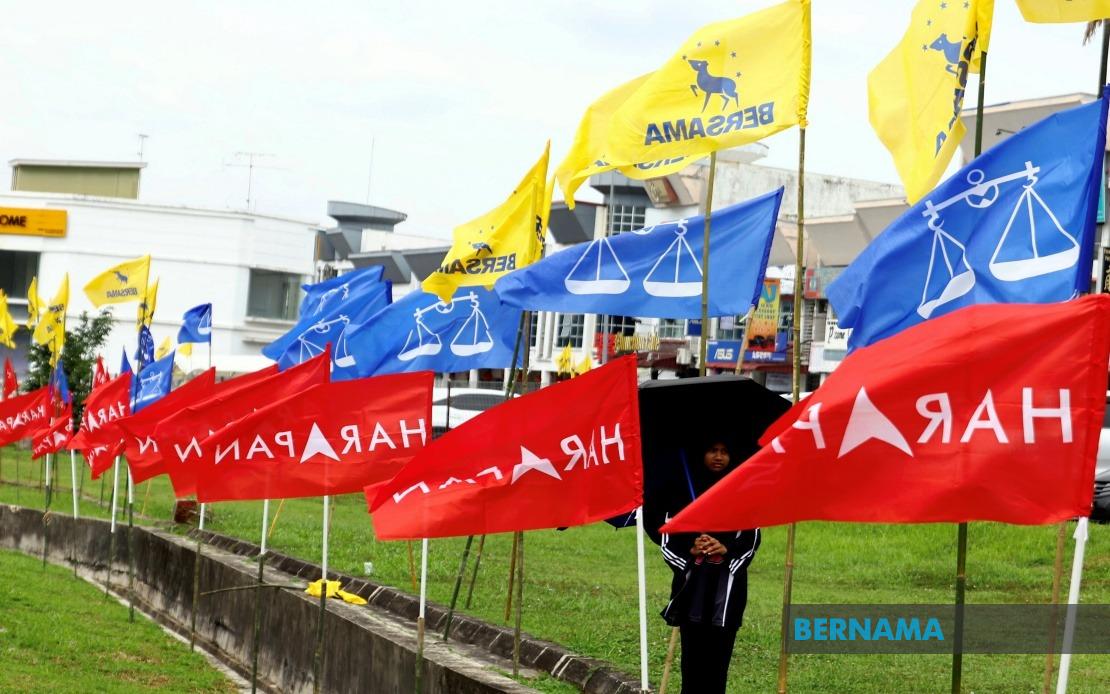
Prime Minister Datuk Seri Anwar Ibrahim has intensified his campaign efforts in Johor, launching a direct appeal to the electorate to grant Pakatan Harapan the opportunity to lead the state in its upcoming polls. Speaking days before voters head to the ballot box on Saturday, the PH chairman sought to frame the election as a pivotal moment for Johor's future, emphasising the coalition's readiness to serve the state's interests should they secure the necessary mandate from the people.
Anwar's pitch to Johor voters reflects the high stakes surrounding the 16th state election, which represents a significant test of support for the federal government in one of Malaysia's most economically important states. The appeal carries particular weight given Johor's status as a political bellwether and its traditional influence on broader national political trends. By positioning PH as committed to safeguarding the state's development, Anwar sought to counter opposition narratives and rebuild confidence in the coalition's ability to govern at the state level.
The timing of Anwar's messages—released through social media platforms in the final days of campaigning—underscores the importance PH places on securing victory in Johor. His dual approach, combining formal political messaging with cultural references through traditional Malay poetry, demonstrates an attempt to connect emotionally with diverse segments of the electorate. The use of pantun, a classical form of Malay verse, reflects an effort to resonate with voters on both rational and cultural levels, a strategy particularly relevant in a state with deep cultural roots and strong community values.
The 16th Johor election represents a competitive race, with 172 candidates contesting for 56 state seats across the state. This wide field of candidates indicates the intensity of political competition and the genuine openness of the outcome, making voter mobilisation strategies critical for all competing coalitions. The large number of candidates also suggests that multiple political coalitions and independent hopefuls believe they have a viable path to representation, adding complexity to the electoral landscape and potentially fragmenting support across various political camps.
A particularly notable aspect of Anwar's campaign strategy has been the explicit call for Johor-born voters residing elsewhere in Malaysia to return home for the election. This mobilisation effort recognises that voter turnout, particularly among constituencies with younger, mobile populations, can significantly influence electoral outcomes. The reminder about the civic responsibility to participate in determining the state's future reflects concerns that diaspora voters may deprioritise state elections in favour of national political contests.
The pantun message Anwar shared carries symbolic weight, celebrating Johor's distinctive identity—references to Laksa Johor as unparalleled and the state's heritage as perpetually cherished—before transitioning to a call for voters to return home bearing hope for the state's continued progress and prosperity. This poetic framing serves to elevate the election beyond a mere political contest, positioning it instead as a moment of collective responsibility towards the state's advancement and welfare.
For Malaysian observers, Anwar's campaign approach in Johor offers insights into how federal leadership is attempting to leverage personal appeal and cultural connection in pursuit of electoral victories at the state level. The coalition's strategy acknowledges that state elections, whilst sometimes overshadowed by national political narratives, remain crucial for maintaining political momentum and demonstrating continued public support for the government. A strong showing in Johor would provide significant political capital for the federal government, particularly as it navigates ongoing governance challenges and public expectations across the country.
The election also carries implications for the broader political landscape in Malaysia's southern region. Johor's relationship with PH has historically been complex, with the state representing a swing ground where voter preferences have shifted significantly in recent electoral cycles. The outcome of Saturday's polls will offer valuable indicators regarding the strength of PH's grassroots support and its ability to mobilise voters in key constituencies where competing coalitions maintain considerable influence.
From a regional perspective, the Johor election reflects broader trends in Southeast Asian electoral politics, where leaders increasingly rely on digital communication platforms and cultural appeals to connect with voters. Anwar's multi-channel approach—combining Facebook posts, traditional poetry, and grassroots campaigning—demonstrates the evolving nature of political communication in Malaysia's information-saturated environment. This blend of traditional and modern strategies reflects the demographic diversity of contemporary Malaysian electorates, which encompasses both digitally connected younger voters and communities with deeper attachments to cultural traditions.
The coming Saturday will determine whether PH's appeal to Johor voters translates into electoral success. With the coalition framing this election as crucial to protecting the state's interests and ensuring that development benefits reach all residents, the campaign reflects a broader narrative about inclusive governance and equitable resource distribution. The outcome will likely influence political calculations across Malaysia, affecting both the federal government's confidence and opposition coalitions' strategies moving forward. For Johor residents, the choice represents not merely a selection among candidates and parties, but potentially a defining moment in determining the state's developmental trajectory and political orientation in the years ahead.

