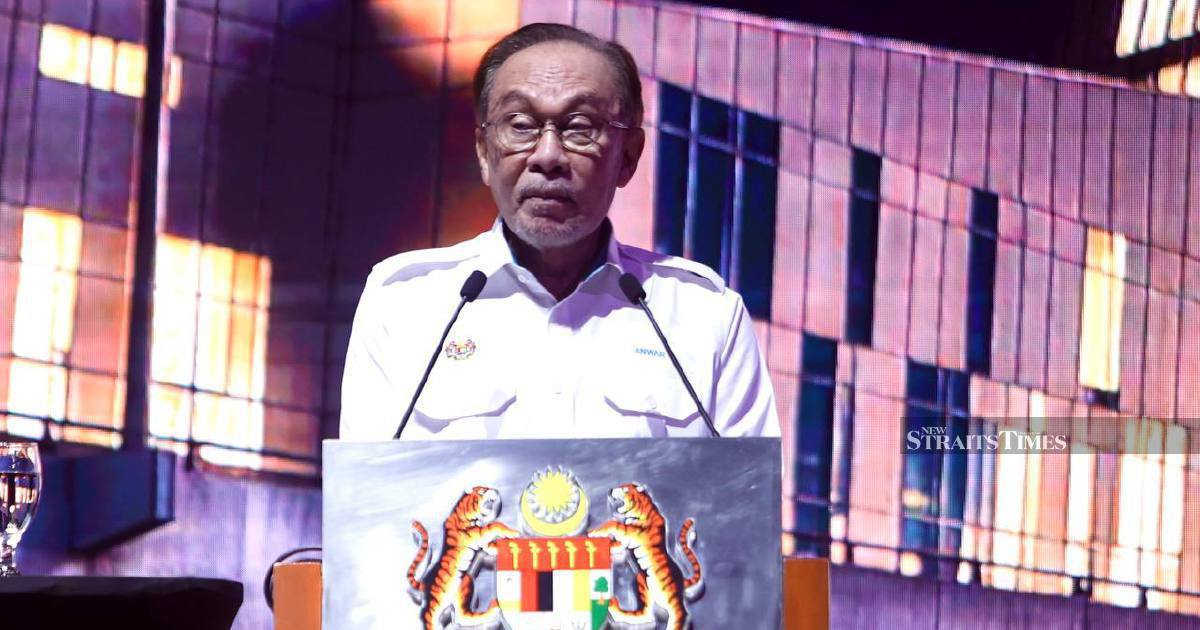
Prime Minister Datuk Seri Anwar Ibrahim has made a fresh appeal for Malaysian filmmakers to enjoy expanded artistic freedoms, signalling the government's desire to cultivate a more permissive creative landscape. Speaking in Petaling Jaya, Anwar struck a careful balance between promoting innovation in the arts and preserving the cultural and moral anchors that define Malaysian society, positioning creative expression as compatible with, rather than antagonistic to, national values.
The prime minister's intervention comes amid ongoing tensions within Malaysia's creative sectors, where industry practitioners frequently contend with regulatory constraints and self-censorship pressures. By publicly advocating for greater openness, Anwar appears intent on signalling receptiveness to filmmaker concerns whilst simultaneously reassuring conservatives that cultural safeguards remain non-negotiable. This dual messaging reflects the delicate political equilibrium the government must maintain between competing visions for Malaysia's cultural future.
For Malaysian filmmakers, the statement carries potential significance. The country's cinema industry has long laboured under a restrictive licensing framework administered by the Film Censorship Board, which has periodically rejected or demanded extensive cuts to locally produced works addressing sensitive themes. Rising filmmakers have increasingly looked to international film festivals and online platforms to distribute content that Malaysian regulators might challenge, creating a parallel ecosystem that operates beyond conventional oversight mechanisms.
The emphasis on grounding creative expression in Malaysia's values and culture acknowledges legitimate national interests in cultural stewardship. However, the interpretation of these terms has historically proven contentious. What one constituency views as essential moral protection, another regards as limiting artistic inquiry into contemporary Malaysian realities. The challenge for policymakers lies in distinguishing between boundaries serving genuine public interest and restrictions that simply entrench particular viewpoints as officially sanctioned culture.
Anwar's framing suggests awareness that Malaysia's competitive position in regional and global creative industries depends partly on attracting and retaining talented filmmakers. Southeast Asian neighbours including Thailand and Indonesia have, at various points, demonstrated greater regulatory flexibility in cinema, enabling those markets to develop distinctive cinematic voices that achieve international recognition. Malaysia risks falling behind creatively if its regulatory environment becomes perceived as excessively constraining compared to regional peers.
The broader context for this intervention includes Malaysia's stated aspirations as an upper-middle-income nation with ambitions in the knowledge and creative economy. Government economic blueprints increasingly identify the creative industries as drivers of employment, tourism, and soft power. These objectives sit uneasily with restrictive content regulation, creating genuine policy tension that Anwar's remarks appear designed to address.
Historically, Malaysian cinema has produced critically acclaimed works that achieved international festival recognition whilst maintaining local cultural grounding. Films such as Afdlin Shauki's earlier works and Yasmin Ahmad's internationally celebrated output demonstrated that artistic ambition and cultural rootedness need not be mutually exclusive. Yet subsequent filmmakers have found regulatory pathways increasingly arduous, with some projects abandoned rather than subjected to extensive censorship board negotiations.
Implementing Anwar's vision will require tangible adjustments within Malaysia's regulatory architecture. The Film Censorship Board operates according to guidelines developed over decades, reflecting assumptions about content appropriateness that may require revisiting in light of contemporary Malaysian demographics and global cultural shifts. Meaningful liberalisation would likely entail widening rating categories, revising content guidelines to accommodate mature themes with appropriate classifications, and potentially delegating greater discretion to filmmakers regarding audience-appropriate content.
Industry observers will scrutinise how this statement translates into administrative practice. Past government pronouncements supporting creative freedom have occasionally proceeded without corresponding regulatory change, leaving filmmakers uncertain whether formal policies have genuinely evolved. Clear guidance from relevant ministries regarding which content categories might receive more permissive treatment would substantially enhance the practical impact of Anwar's remarks.
The statement also addresses Malaysian cinema's relationship with global audiences and platforms. Streaming services have fundamentally altered content consumption patterns, enabling Malaysian viewers to access international films reflecting diverse perspectives on social, political and cultural themes. Maintaining regulatory frameworks significantly more restrictive than international standards risks creating perceptions of cultural insularity whilst driving audiences toward overseas content sources rather than supporting domestic industry development.
Educational and industry development dimensions warrant consideration as well. Film schools and training programmes benefit from environments encouraging artistic risk-taking and exploration. Overly restrictive regulatory expectations can discourage emerging filmmakers from undertaking projects exploring complex themes, ultimately impoverishing Malaysia's cultural output and limiting the sophisticated storytelling capabilities of its cinematic talents.
Moving forward, the government faces the substantive challenge of translating Anwar's rhetorical commitment into institutional reforms that genuinely expand creative space. This necessitates dialogue between filmmakers, regulators, cultural custodians and public interest advocates to establish frameworks that respect Malaysia's values whilst enabling the artistic expression essential for a dynamic, regionally competitive creative sector. The prime minister's remarks represent a necessary opening position, but genuine liberalisation demands follow-through mechanisms and administrative willingness to implement more flexible interpretations of existing guidelines.

