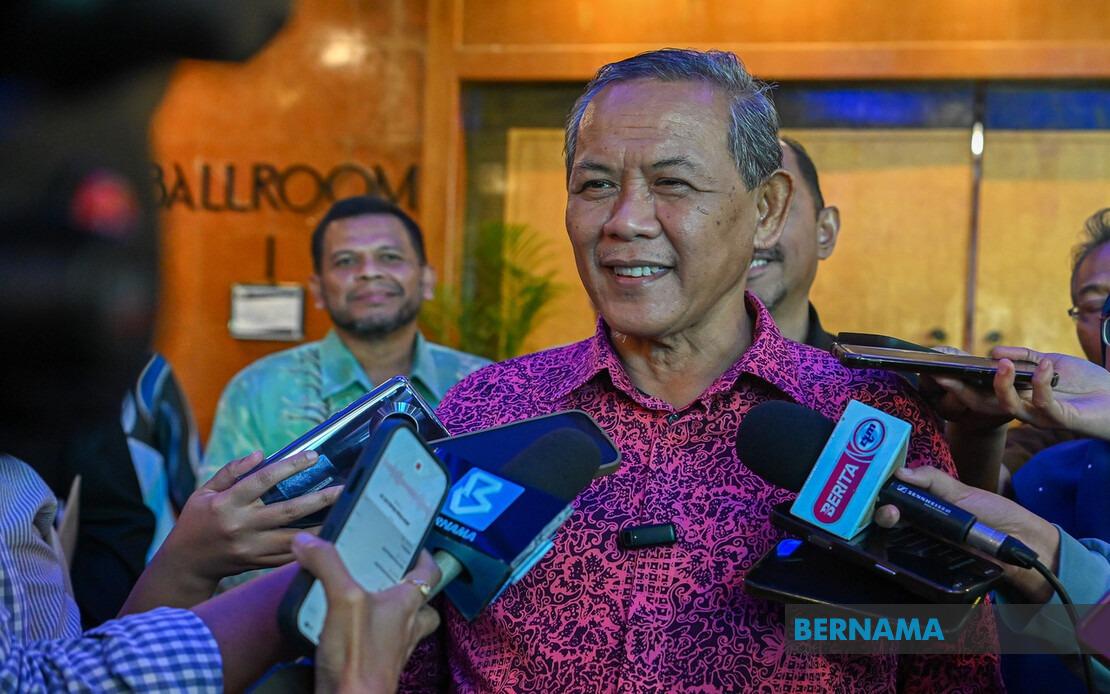
Prime Minister Datuk Seri Anwar Ibrahim is set to reveal Pakatan Harapan's full roster of candidates for the upcoming Negeri Sembilan state election during a public ceremony in Kuala Pilah on Tuesday, July 14. The announcement marks a pivotal moment in the coalition's campaign preparations, coming less than three weeks before voters head to the polls on August 1. According to Negeri Sembilan PKR chairman Datuk Seri Aminuddin Harun, the candidate finalisation process has been completed and all nominations have been formally submitted to the party leadership for approval.
The timing of the announcement holds significance for both the coalition and the state electorate. With nomination day scheduled for July 18 and early voting on July 28, the interval between the candidate reveal and official candidate registration represents a critical window for public scrutiny and campaign mobilisation. The location chosen—Dataran Melang in Kuala Pilah—underscores the campaign's ground-level engagement strategy, bringing the formal proceedings to a constituency rather than keeping it confined to state capital settings.
Aminuddin, who simultaneously holds the position of Negeri Sembilan Menteri Besar and represents the Sikamat assembly seat, has remained circumspect about his own electoral plans amid persistent speculation regarding whether he will contest the Linggi state seat. When pressed by reporters, he declined to confirm or deny these reports, instead encouraging all stakeholders to await the official announcement. His measured response reflects the delicate balance party leaders must maintain during pre-election periods, neither confirming internal decisions prematurely nor fuelling uncertainty that might undermine campaign momentum.
The seat allocation framework underpinning this election reflects the established power-sharing arrangement within the coalition. PKR will contest 16 of the 36 state seats, positioning it as the dominant force within the alliance. The Democratic Action Party (DAP) will field candidates for 11 seats, while the Malaysian United Indigenous Party (Amanah) completes the coalition's coverage with candidates in the remaining nine constituencies. This distribution mirrors the broader coalition dynamics at national level, where PKR holds the largest parliamentary contingent among PH members.
Negeri Sembilan represents a significant electoral battleground for Pakatan Harapan's continued governance ambitions. The state's political trajectory has grown increasingly important as the coalition seeks to demonstrate sustained support beyond the 2022 federal election victory. The stakes extend beyond mere state-level representation; state elections frequently serve as barometers of national sentiment and voter satisfaction with government performance. For Anwar's administration, a strong showing in Negeri Sembilan would bolster legitimacy and demonstrate effective coalition management at both federal and state tiers.
Aminuddin's dual role as Menteri Besar and PKR chairman exemplifies the interconnected nature of state and party politics in Malaysia's federal system. His recent distribution of Special Grants totalling RM342,000 across 342 Rukun Tetangga neighbourhood units in Negeri Sembilan illustrates the conventional campaign approach of incumbent parties: deploying targeted assistance programmes to constituency-level organisations in the lead-up to elections. While such initiatives serve genuine administrative purposes, they inevitably acquire campaign significance during electoral periods.
The Election Commission's scheduling reflects standard procedures for state elections. The July 18 nomination day provides the formal deadline for all candidate submissions, allowing the commission one week to process registrations and resolve any nomination disputes before the early voting period commences on July 28. The August 1 polling date spaces the election appropriately after nomination processing and early voting arrangements, ensuring adequate preparation time for polling station logistics and voter communications.
Ranging across the 36 state constituencies, this election will determine representation spanning the state's diverse geographic and demographic landscape—from urban concentrations in Seremban to rural constituencies in peripheral districts. Each seat contested by the three coalition partners carries distinct electoral characteristics and historical voting patterns that have influenced the seat-sharing formula. PKR's preponderance reflects both its larger membership base and strategic positioning across multiple constituencies.
The candidate announcement ceremony serves multiple communicative functions beyond simply revealing names. It provides an opportunity for the coalition to project unity, reinforce messaging discipline, and generate media coverage during the critical pre-campaign phase. Anwar's personal involvement as coalition chairman underscores the importance placed on the Negeri Sembilan contest and signals high-level attention to execution and candidate quality. His presence validates the significance of the election within PH's strategic calendar.
For Malaysian political observers and voters in Negeri Sembilan, the coming weeks will prove formative as the campaign intensifies following the candidate announcement. The revealed roster will illuminate the coalition's strategic priorities—which incumbents retain candidacy, which newcomers receive opportunities, and where the coalition believes it can extend electoral reach. These decisions, communicated through the candidate list, essentially constitute PH's opening statement for the state election campaign.
Looking ahead, the announcement sets the formal stage for what is expected to be a competitive election season. The interval between revelation and nomination day provides candidates with initial opportunity to establish campaign presence and public visibility. For voters evaluating their electoral choices, the candidate list offers concrete information about who will represent their interests should PH retain state government. The announcement on July 14 therefore functions as the campaign's true commencement point, transforming months of internal deliberation into public commitment.

