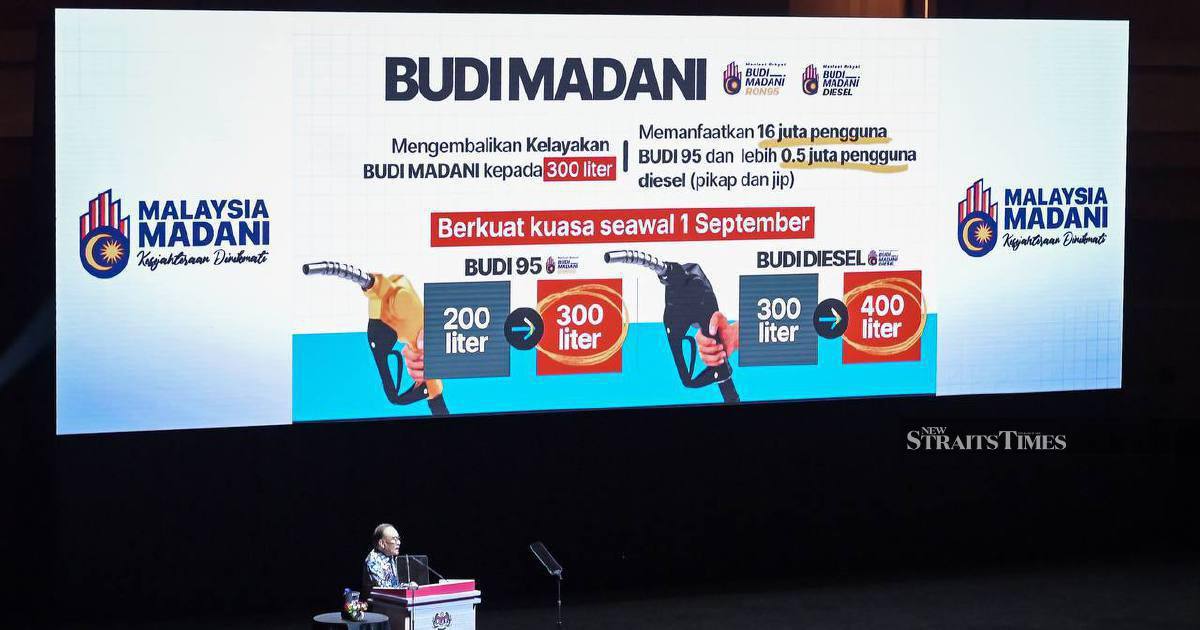
Prime Minister Datuk Seri Anwar Ibrahim has announced a six-point relief package designed to address mounting cost-of-living pressures affecting households and businesses across Malaysia. The measures were revealed during the National Day Eve address in Putrajaya, signalling the government's intent to provide immediate assistance while preparing for the tabling of the 2027 Budget in October. The announcement reflects growing concerns about inflation and affordability issues that have dominated public discourse in recent months, with the initiatives positioned as stopgap measures before the comprehensive fiscal blueprint takes effect.
The announcement carries significant implications for Malaysian households already grappling with rising expenses across essential goods and services. Since the government took office, managing inflation and maintaining purchasing power have remained central policy challenges, particularly affecting lower and middle-income families who spend a larger proportion of their earnings on food, transportation, and utilities. By revealing relief measures well in advance of the formal budget presentation, the administration appears intent on demonstrating responsiveness to citizen concerns and building momentum for broader economic reforms outlined in the 2027 Budget framework.
The timing of Anwar's announcement during National Day Eve celebrations holds particular political significance. This occasion typically features major policy announcements and demonstrates the government's commitment to national priorities ahead of the independence celebrations. Placing cost-of-living measures at the forefront of the National Day message underscores how pressing these economic challenges have become within the domestic agenda. The simultaneous emphasis on supporting businesses suggests a balanced approach aimed at protecting both consumers and enterprises from economic headwinds.
For Malaysian consumers, the six measures target multiple pressure points in household budgets. Rising prices in food categories, increased transport costs due to fuel fluctuations, and growing utility expenses have collectively strained family finances across urban and rural areas. By implementing immediate relief rather than waiting until the formal budget in October, the government seeks to provide tangible support during the critical months ahead. The nature and scope of each measure will determine whether relief reaches vulnerable segments or provides broader-based assistance across income groups.
The business community faces its own pressures requiring government intervention. Operating costs have risen substantially due to supply chain disruptions, higher transportation expenses, and increased input costs. Small and medium enterprises, which form the backbone of Malaysia's economy and employ millions of workers, have reported particular difficulty in maintaining margins while avoiding customer price increases. Government support measures can provide critical breathing room for businesses navigating these inflationary pressures, potentially preserving employment and preventing closures among vulnerable firms.
The relationship between immediate relief measures and the comprehensive 2027 Budget framework warrants close attention. Short-term measures announced now may differ significantly from longer-term policy directions enshrined in the October budget. Understanding how these immediate interventions align with or diverge from the government's broader fiscal strategy will provide insight into Malaysia's economic direction over the coming years. The October budget presentation will offer the detailed policy architecture that these six measures foreshadow.
Regional economic context adds another layer to these announcements. Southeast Asian economies including Malaysia continue adjusting to volatile global conditions, including fluctuating commodity prices, shifting trade patterns, and varying monetary policy stances across major trading partners. Malaysia's position as an export-dependent economy means external factors significantly influence domestic inflation pressures. Government measures that support domestic consumption may help balance external shocks while providing stability to the local economy.
The announcement also reflects broader global trends in fiscal policy responding to cost-of-living crises. Governments across developed and developing economies have implemented targeted relief measures as inflation outpaced wage growth during recent years. Malaysia's six-point package positions the country within this international response framework while addressing specific local circumstances. Comparing Malaysia's approach with similar measures in neighbouring countries may reveal differing policy philosophies and priorities.
Stakeholder expectations now focus on the specific details and implementation mechanisms of these six measures. Households want clarity on who qualifies for assistance, how much relief individual families will receive, and when measures take effect. Businesses require understanding of eligibility criteria, application procedures, and the duration of support programs. Government agencies must prepare administrative frameworks capable of delivering assistance efficiently and fairly. The gap between announcement and implementation often determines whether initiatives achieve their intended impact.
The National Day Eve address also served as an opportunity to articulate the government's broader economic vision and values. Framing cost-of-living relief as a priority signals that protecting citizen welfare remains central to policy-making, even amid broader economic and geopolitical challenges. This messaging carries political weight, affecting public perception of government competence and concern for ordinary Malaysians struggling with economic pressures.
Looking ahead to October's 2027 Budget tabling, these six immediate measures establish baseline expectations for government action on affordability. If the formal budget subsequently reduces support or phases out relief initiatives, public reaction may be negative. Conversely, if October brings more expansive measures building on current relief, the government can portray a sustained commitment to alleviating pressures. The relationship between these announcements and the full budget will significantly shape public reception of the government's economic stewardship.
For Malaysian readers across all income levels, the practical question remains how substantially these measures will improve daily life and business operations. The credibility of the announcement depends on effective implementation, genuine relief provision, and sustained government commitment to addressing cost-of-living challenges. As details emerge over coming weeks, clearer assessment will become possible regarding whether these measures represent meaningful intervention or primarily symbolic gestures.

