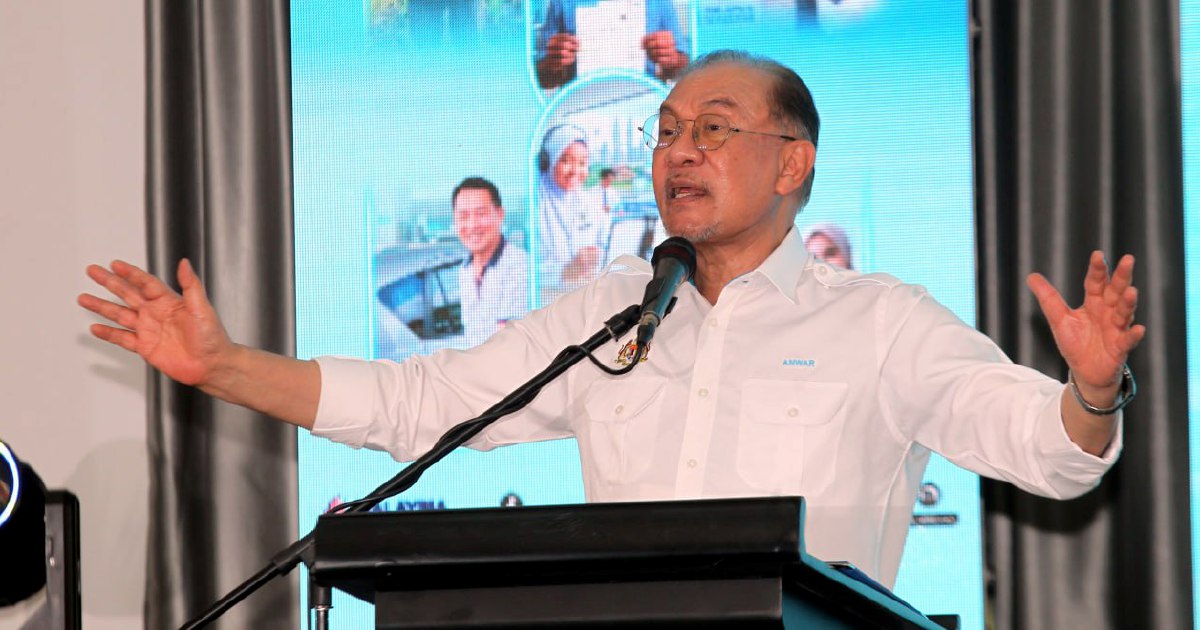
Prime Minister Datuk Seri Anwar Ibrahim has announced a substantial RM15.3 million funding package directed towards improving religious and pondok schools in Perak, signalling the Madani government's continued prioritisation of Islamic educational institutions across the country. The commitment underscores a broader national agenda to elevate standards within these establishments, which serve as critical alternatives to mainstream schooling and hold significant cultural and spiritual importance in Malaysian communities.
The Madani administration's focus on religious schools reflects recognition that these institutions play a multifaceted role beyond academics. Pondok schools and madrasahs traditionally provide moral and theological education alongside formal curricula, shaping values among students from diverse socioeconomic backgrounds. Perak, with its substantial Muslim population and established network of Islamic boarding schools, represents a strategic priority for educational investment in the region.
The allocation demonstrates commitment to infrastructure development, curriculum enhancement, and operational support for these institutions. Religious schools often operate with limited resources compared to government secondary schools, requiring targeted interventions to modernise facilities, improve teaching materials, and provide competitive compensation for educators. The RM15.3 million injection addresses these systemic challenges, enabling schools to maintain educational quality while preserving their religious mission.
From a broader governance perspective, this funding initiative addresses longstanding debates about educational equity within Malaysia's plural system. Religious schools serve students seeking integrated Islamic and academic education, yet they frequently encounter resource constraints that hinder their competitiveness. By channelling significant investment, the government signals that these institutions merit parity in development opportunities alongside conventional schools.
The timing of this announcement carries particular resonance within Malaysia's political and social landscape. Educational policy remains contested terrain, with stakeholders holding divergent views on religious schooling's role in nation-building. The Madani government's explicit support positions itself as defender of Islamic education while maintaining the secular framework of public schooling. This balancing act appeals to constituencies valuing religious education without alienating multicultural voter bases.
Perak's selection for this initial allocation reflects its prominence as an educational hub. The state hosts numerous established pondok schools with deep historical roots and substantial student populations. Many Perak-based institutions draw learners from neighbouring states and beyond, functioning as regional centres of Islamic learning. Strategic investment in these schools generates multiplier effects across wider communities.
The announcement also contextualises Malaysia's approach to Islamic education within Southeast Asia's broader trajectory. As regional governments grapple with balancing religious and secular educational frameworks, Malaysia's visible commitment to strengthening religious schools provides a counterpoint to countries experiencing marginalisation of Islamic institutions. This positioning matters for interfaith dialogue and regional stability, particularly amid global debates about religion's place in modern societies.
Implementation remains crucial for translating pledges into tangible improvements. The RM15.3 million must effectively address identified infrastructure gaps, enhance teacher training programmes, and modernise learning facilities without compromising the spiritual character that distinguishes these schools. Transparent allocation mechanisms and accountability frameworks will determine whether funding reaches intended beneficiaries or dissipates through inefficient channels.
For Malaysian parents evaluating educational options, this commitment provides assurance regarding the long-term viability of religious schooling. Families investing in pondok education for their children increasingly seek assurance that institutions will sustain quality standards. Government backing reduces uncertainty surrounding these schools' operational sustainability and development trajectories.
The funding initiative also intersects with Malaysia's broader economic and human capital strategies. As the nation seeks competitive advantage in knowledge-based sectors, diverse educational pathways including religious schooling contribute to varied workforce development. Students completing religious education programmes often transition into roles spanning Islamic finance, education, law, and administration, expanding Malaysia's professional capabilities.
Moving forward, stakeholders will monitor how effectively this allocation translates into measurable improvements within Perak's religious schools. Success metrics might encompass infrastructure upgrades, enhanced examination results, improved teaching methodologies, and greater integration with vocational pathways. These indicators will shape perceptions of government commitment and inform future policy adjustments.
The announcement ultimately reflects sophisticated governance recognising that educational excellence requires attending to all institutional sectors. Religious schools comprise integral components of Malaysia's educational ecosystem, serving communities with distinct values and aspirations. By channelling substantial investment toward their enhancement, the Madani government demonstrates understanding that inclusive development demands supporting diverse educational visions while maintaining overarching standards and cohesion.

