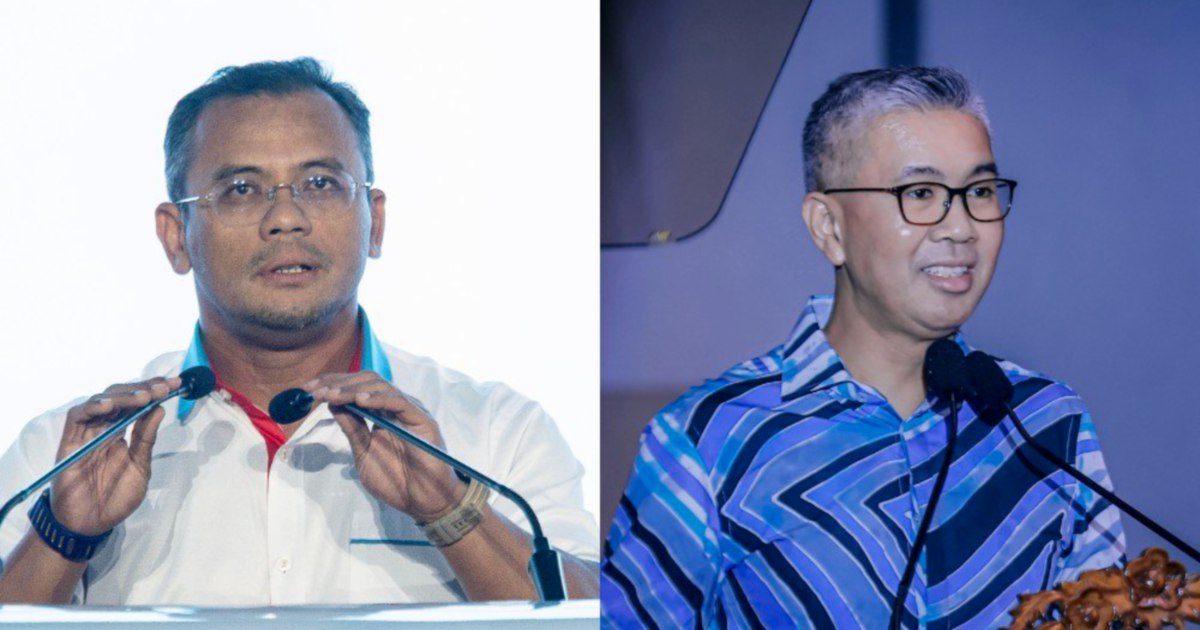
PKR president Datuk Seri Anwar Ibrahim has made significant moves to reshape the party's leadership structure by designating Amirudin to lead the party's electoral operations and appointing Tengku Zafrul to a senior coordinating position within the Prime Minister's Office. The announcement, made in Melaka, reflects the party's preparations for forthcoming internal elections and consolidation of administrative functions.
The appointment of Amirudin as election director places responsibility for managing PKR's electoral machinery and candidate selection processes in experienced hands. This role carries considerable weight within the party apparatus, as the election director oversees nomination procedures, campaign coordination, and strategic deployment of party resources during poll seasons. The position sits at the intersection of party politics and grassroots organisation, requiring both political acumen and administrative capability.
In a parallel move, Tengku Zafrul's appointment as PMO coordinator underscores the integration of party and government functions at the highest levels. As coordinator within the Prime Minister's Office, Tengku Zafrul will facilitate communication between the ruling coalition's political structures and the federal government machinery. This bridging role has grown increasingly important as Malaysia's government operates as a multi-party coalition requiring constant coordination between ministerial portfolios and party interests.
Anwar's decisions come at a juncture where PKR faces the necessity of refreshing its leadership while maintaining internal cohesion. The party, as the largest component of the current ruling coalition, requires robust electoral preparations to sustain its parliamentary presence. The appointment of trusted figures to key organisational posts signals Anwar's intention to ensure these processes unfold smoothly and maintain party unity through the electoral cycle.
Amirudin's elevation to the election director role represents a significant responsibility that will occupy substantial political capital. The election director must balance competing interests within the party, manage diverse factional expectations, and ensure that candidate selection processes maintain both fairness and effectiveness. This position often becomes the target of internal criticism and pressure from party members hoping for nomination, making it a politically sensitive appointment.
The PMO coordinator position held by Tengku Zafrul serves broader government coordination functions beyond party machinery. As Prime Minister's Office staff, the coordinator helps synchronise federal government responses with coalition party schedules and requirements. This role requires understanding both the bureaucratic needs of government and the political imperatives of maintaining coalition stability, a delicate balance that demands diplomatic skills and administrative experience.
These appointments arrive as Malaysian politics enters a phase of consolidation following the 2023 general election. The coalition government continues to navigate the complexities of multi-party rule, requiring clear lines of communication and coordinated action across party and government entities. PKR's strategic positioning within this arrangement means that appointments to senior party posts carry implications beyond internal party management.
For Malaysian political observers, these moves suggest Anwar's confidence in both appointees and his commitment to institutional strengthening within PKR. The public announcement in Melaka, a state governed by PKR's ally Pakatan Harapan, emphasises the coalition's regional coordination and preparation for future electoral contests. State-level governance provides the ground where national party appointments take practical effect.
The timing of these announcements may also reflect broader considerations about party renewal and generational transitions within PKR. As the party matures within its current governing role, mechanisms for identifying and promoting capable administrators become increasingly important. These appointments represent Anwar's strategic selection of individuals capable of managing complex organisational and governmental responsibilities.
Looking forward, the performance of both appointees will significantly influence PKR's organisational health and the broader effectiveness of coalition government. Amirudin's success in managing party elections will determine whether PKR maintains internal harmony while preparing for future electoral challenges. Tengku Zafrul's effectiveness as PMO coordinator will affect how smoothly the coalition's various components operate within government structures.
For Southeast Asian context, Malaysia's multi-party coalition governance model requires precisely this type of coordination infrastructure. Countries across the region wrestling with coalition management can observe how appointing strong coordinators at party and government interface points helps sustain political stability. These appointments demonstrate how Malaysian parties adapt institutional structures to accommodate shared governance responsibilities.
The broader significance of these moves extends to how ruling parties in stable democracies manage the tension between electoral competition and governmental cooperation. PKR must simultaneously prepare for electoral competition while functioning effectively as part of a governing coalition. These appointment decisions indicate how party leaders navigate these competing demands through strategic positioning of capable administrators in key bridging roles.

