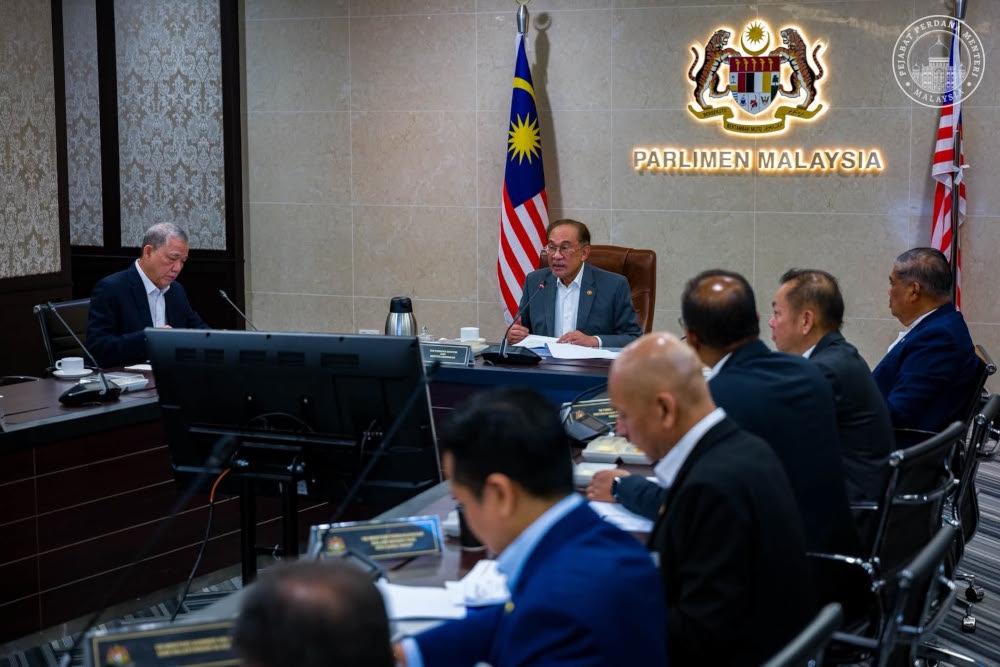
Prime Minister Datuk Seri Anwar Ibrahim has mobilised Malaysia's agricultural apparatus to shield the nation's food production and supply chains from mounting threats posed by what meteorologists warn could be an exceptionally severe El Niño cycle. The directive, issued to the Ministry of Agriculture and Food Security, represents a proactive government response to climate volatility that increasingly challenges Southeast Asia's food sovereignty and economic stability. The anticipatory stance reflects lessons learned from previous El Niño events that have left regional agricultural systems vulnerable to drought, crop failures, and commodity price spikes.
El Niño weather patterns, driven by abnormally warm ocean surface temperatures in the Pacific, historically trigger drought conditions across much of Southeast Asia, including Malaysia. A super El Niño would intensify these effects considerably, potentially creating extended dry periods that stress Malaysia's oil palm plantations, rice paddies, and vegetable cultivation zones. The agricultural sector, which employs hundreds of thousands of Malaysians and contributes substantially to rural livelihoods, stands at particular risk from prolonged moisture deficits that can devastate yields within weeks.
The Prime Minister's intervention signals that food security has become a paramount policy concern, reflecting both domestic political priorities and the government's understanding of regional vulnerabilities. Malaysia, despite its agricultural heritage, imports significant quantities of staple foods including rice and certain proteins, making domestic production capacity strategically important for price stability and supply reliability. When regional production falters simultaneously across multiple countries, import competition intensifies, driving up prices for consumers already managing inflation pressures.
Previous El Niño episodes have demonstrated the interconnected nature of Southeast Asian food systems. The 2015-2016 super El Niño caused widespread crop failures across Indonesia, Thailand, and the Philippines, cascading into higher regional food costs and triggering government interventions across multiple nations. Malaysia experienced localized agricultural stress and imported food price increases during that period. The current directive attempts to position Malaysia ahead of potential recurrence, avoiding reactive crisis management in favour of preventive planning.
The Ministry of Agriculture and Food Security has been tasked with implementing strategies spanning multiple agricultural domains. These typically include bolstering irrigation infrastructure to reduce dependence on rainfall, promoting drought-resistant crop varieties suited to Malaysian conditions, and securing strategic reserves of essential food commodities. Additionally, the government likely seeks to strengthen early warning systems and coordinate with farmers regarding adaptive planting schedules and resource allocation during anticipated dry periods.
Malaysia's palm oil industry, a global economic pillar generating substantial export revenues, faces particular scrutiny during El Niño episodes. Extended drought stress reduces palm yields and quality, affecting both domestic processing capacity and export competitiveness. The directive's urgency partly reflects awareness that agricultural disruptions carry macroeconomic consequences extending beyond rural communities into broader economic performance, currency stability, and export earnings.
Regional coordination mechanisms become critical during widespread climate disruptions. Malaysia's participation in ASEAN frameworks for agricultural cooperation means that individual national responses interconnect with neighbouring countries' strategies. Thailand, Indonesia, and Vietnam similarly prepare for El Niño impacts, and coordinated regional approaches to food security planning can mitigate competitive hoarding or supply chain disruptions that exacerbate shortages across borders.
The emphasis on food supply protection also reflects Malaysian government awareness of consumer sensitivity regarding commodity availability and pricing. Food costs represent a substantial portion of household expenditure, particularly for lower-income families, and sudden price escalations generate political pressure and social discontent. By positioning the government as actively managing food security risks, policymakers attempt to maintain public confidence that essential supplies remain accessible and affordable regardless of external climate challenges.
Climate adaptation investments required to build resilience against El Niño and similar disruptions demand substantial capital and technical expertise. Malaysia must balance agricultural development objectives with climate adaptation imperatives, modernising farming practices while simultaneously preserving productive capacity. Technology transfer and capacity building among smallholder farmers become essential components of broader food security strategies, ensuring that adaptation benefits reach producers most vulnerable to climate volatility.
The Prime Minister's directive occurs within a global context of heightened climate concern and increasing recognition that traditional agricultural models require fundamental restructuring to accommodate more frequent and intense extreme weather events. International climate science increasingly suggests that El Niño cycles may intensify in coming decades, necessitating permanent institutional changes in how nations approach food system planning and resource allocation. Malaysia's proactive posture reflects understanding that reactive responses prove insufficient for managing climate risks effectively.
Longer-term implications of this directive extend toward agricultural policy reform, investment in climate-resilient infrastructure, and potential revisions to food import strategies. Government decisions made during the current planning phase will shape Malaysia's food security trajectory across the coming decade, influencing everything from farmer incomes to consumer prices to the nation's strategic independence in meeting its population's nutritional requirements.
The institutional coordination demanded by this directive requires exceptional performance from multiple government agencies accustomed to operating with different priorities and timeframes. The Ministry of Agriculture and Food Security must liaise with water authorities, environmental agencies, local governments, and farmer associations to implement coherent, comprehensive protective measures. Success depends on efficient inter-agency communication and a shared understanding that food security transcends traditional agricultural ministry concerns.

