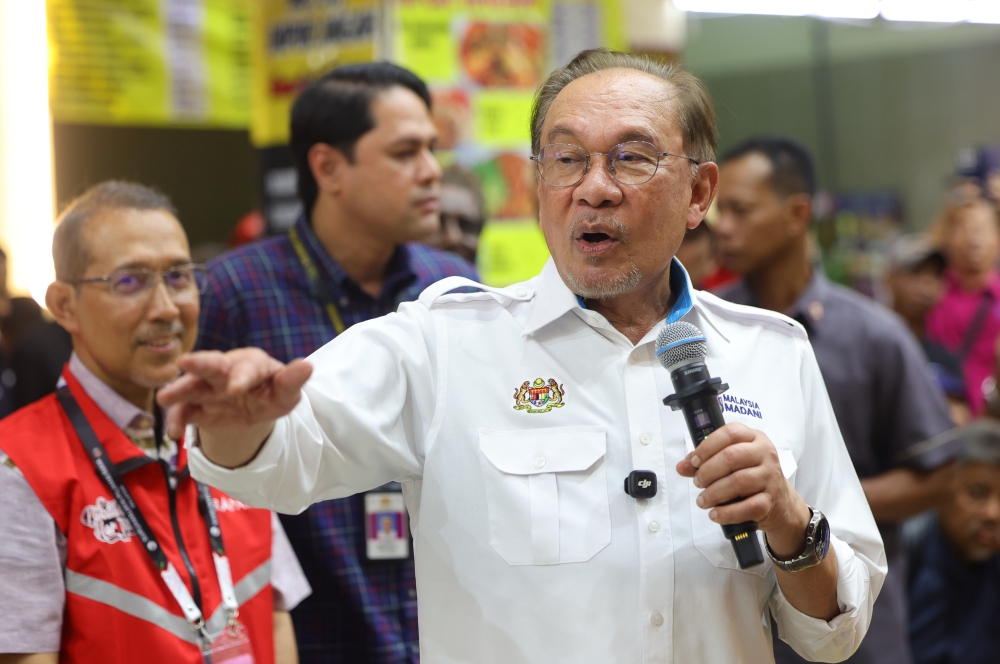
Prime Minister Datuk Seri Anwar Ibrahim is making a high-visibility push across Negeri Sembilan with an intensive campaign schedule as Malaysia's electoral contest enters its decisive closing stages. The elevated activity underscores the strategic importance the federal government places on maintaining or improving its position in a state that has become a focal point in the broader political competition.
Anwar's intensified presence in Negeri Sembilan reflects broader patterns in Malaysian politics where prime ministers and senior party leaders concentrate their efforts on competitive constituencies and states that could determine overall election outcomes. The state, historically a mixed political landscape, represents precisely the kind of battleground where marginal shifts in voter sentiment can produce significant electoral consequences. By committing substantial personal time to the campaign, Anwar is signalling to both supporters and observers that the government regards this state as winnable and worth defending.
The packed schedule encompasses multiple districts and demographic groups within Negeri Sembilan, suggesting a comprehensive strategy rather than a narrow focus on particular strongholds. This broad-based approach typically aims to energise grassroots party machinery, reinforce support among wavering voters, and generate media coverage that extends beyond the state itself. When national leaders conduct such campaigns, they serve multiple functions simultaneously: direct voter engagement, morale-building for party operatives, and narrative-shaping for national audiences.
Negeri Sembilan occupies an interesting position within Malaysia's political architecture. Neither as heavily urbanised as Selangor nor as traditionally uniform as certain other states, it contains a diverse voter base spanning urban professionals, suburban middle-class families, and rural communities. This complexity means that messages must often be tailored to different audiences, and the personal presence of the Prime Minister provides an opportunity to emphasise national government achievements and local benefits simultaneously.
The final week before polling represents a critical period when voter decisions often crystallise. Research on electoral behaviour consistently shows that late-campaign activity can influence undecided voters and marginal supporters. For an incumbent government, this phase is particularly significant because it offers a final opportunity to counteract opposition messaging and reinforce positive perceptions of governance and economic management. Anwar's personal involvement amplifies whatever messaging his party and coalition partners are promoting.
From a regional perspective, developments in Negeri Sembilan carry implications for Malaysia's broader political trajectory and the stability of the coalition government. The state's outcome will contribute to the national seat tally and may influence subsequent coalition negotiations or policy directions. Southeast Asian observers also monitor such campaigns as indicators of political trends in the region's largest Muslim-majority democracy, where electoral dynamics continue to shift unpredictably.
The coordination of such an intensive schedule requires substantial logistical effort, involving party machinery, security arrangements, and media coordination. For Anwar personally, the demands are significant—multiple venues, successive meetings with different stakeholder groups, and the need to maintain energy and message consistency across each engagement. This visible commitment is itself a campaign message, conveying dedication to grassroots politics and responsiveness to local concerns.
Opposition parties are undoubtedly conducting their own final-week campaigns in Negeri Sembilan, creating a competitive atmosphere where each side seeks maximum impact before voters cast their ballots. The state has become a genuine contest in which different political forces believe they have realistic chances of success, making it more competitive than many other Malaysian states. This genuine contestation means that the final weeks truly matter, as outcomes remain genuinely uncertain.
Anwar's campaign style, which emphasises personal engagement and direct voter interaction, has become a signature element of his political approach since becoming Prime Minister. By contrast with more remote or insulated leadership styles, this approach positions him as accessible and invested in local concerns. Whether such personal campaigning translates into measurable electoral gains remains an empirical question, but its prominence in his strategy suggests the government believes it generates value, both in direct voter persuasion and in media narrative terms.
The broader context of these campaign efforts includes Malaysia's economic situation, which has featured in national political discourse alongside governance quality, corruption concerns, and representation issues. Voters in Negeri Sembilan, like those elsewhere, are weighing these macro-level considerations alongside local factors and personal assessments of available political alternatives. The Prime Minister's campaign schedule provides opportunities to address such concerns directly and to connect national achievements with local benefits.
As the electoral calendar moves toward its conclusion, the intensity of high-profile campaign activity typically increases across all competing political forces. Anwar's packed Negeri Sembilan schedule represents one element of this broader campaign escalation. The state's ultimate election results will become one data point in Malaysia's larger political story, contributing to the overall assessment of voter preferences and coalition stability that will follow polling day.

