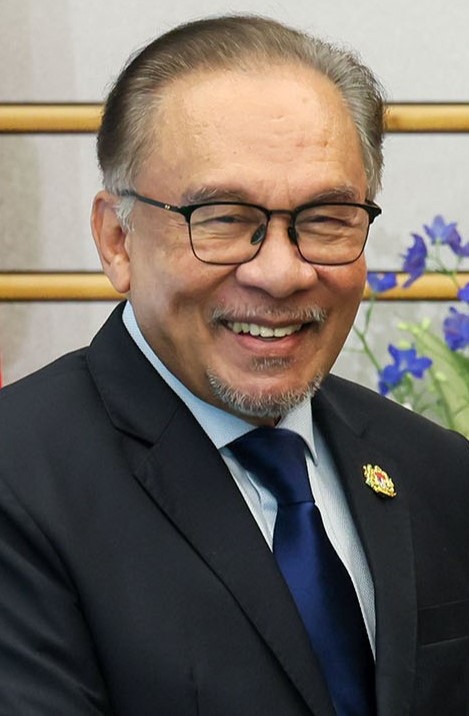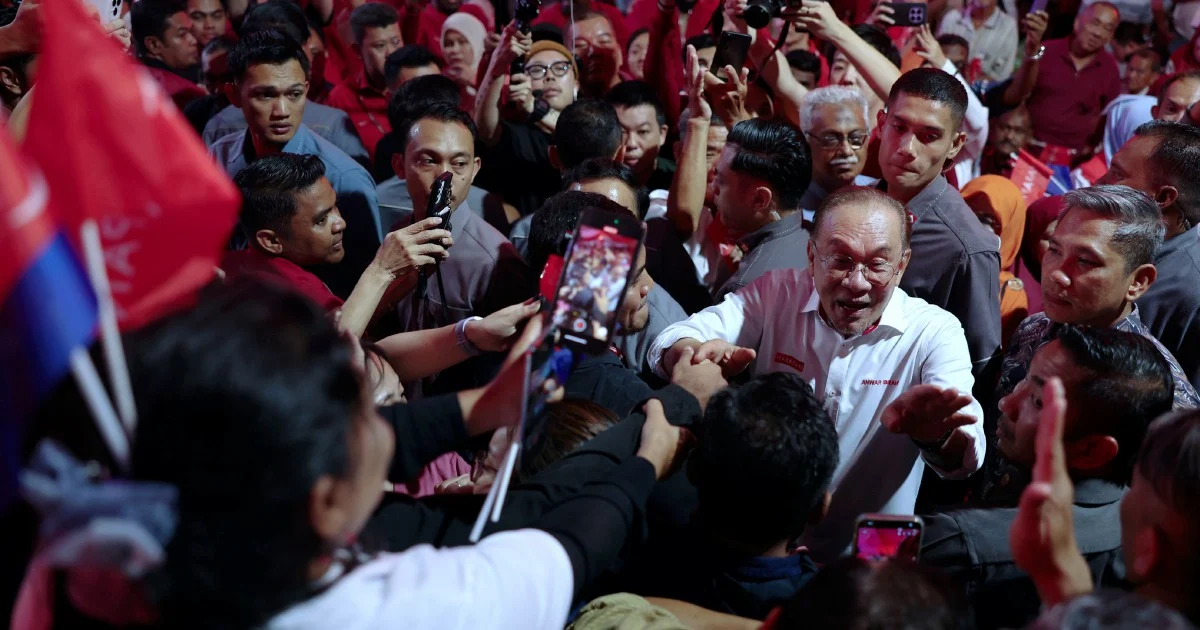
Pakatan Harapan (PH) has formally presented its comprehensive roster of 56 candidates contesting the Johor state assembly election slated for July 11. The coalition's chairman, Datuk Seri Anwar Ibrahim, made the announcement during an event in Tangkak, signalling the opposition bloc's intensified push to regain control of Malaysia's second-largest state by population and one of its most economically significant regions. The unveiling comes at a crucial juncture as political manoeuvres intensify across the peninsula ahead of the hotly anticipated state poll.
The Johor election holds considerable weight within Malaysia's broader political landscape. As the only major state outside the direct influence of the ruling Perikatan Nasional coalition in recent years, Johor has traditionally served as a political barometer for gauging national sentiment. The state's economy, spanning petrochemicals, manufacturing, and port operations in Johor Bahru and Port Klang, makes control of its state assembly strategically important for both the federal government and opposition alike. For Pakatan Harapan, recapturing the state represents a significant opportunity to demonstrate renewed electoral viability after experiencing setbacks in previous contests.
The selection of candidates reflects careful deliberation by the coalition's leadership regarding regional demographics, incumbent performance, and competitive viability across the 56 state assembly seats. Anwar Ibrahim's role in personally unveiling the slate underscores PH's commitment to this campaign and the coalition's confidence in its chosen representatives. The announcement mechanism itself—holding the event in Tangkak, a constituency within Johor's heartland—signals the coalition's intention to establish a strong grassroots presence throughout the campaign period.
Johor's political history reveals a state long accustomed to dominant party rule. The Barisan Nasional, which governed Johor for decades, recently lost ground following national political shifts. However, the emergence of Perikatan Nasional as a competing force has complicated the political landscape considerably. Pakatan Harapan's 56-candidate roster must navigate not only incumbent competition but also the challenge of differentiating itself from other opposition-leaning formations competing in the same seats.
The composition of the candidate list carries implications for how the coalition intends to approach Johor's diverse constituencies. Urban areas surrounding Johor Bahru present different challenges and opportunities compared to the more rural, traditionally-leaning constituencies in the state's interior. The inclusion of fresh faces alongside experienced politicians suggests a balancing act between injecting new energy and retaining institutional knowledge within the party structure. Such decisions often prove decisive in determining whether candidates can effectively mobilize voters and convert campaign messaging into electoral success.
Anwar Ibrahim's personal involvement in the candidate announcement reflects the political significance he places on Johor. As Prime Minister and PH chairman, his public endorsement of the slate carries weight with party members and potential voters alike. His presence in Tangkak also sends a symbolic message that the federal government remains actively engaged in state-level politics, despite the conventional separation between federal and state governance structures. This hands-on approach contrasts with approaches taken by competing coalitions and may influence how voters perceive the coalition's organizational cohesion and seriousness regarding the campaign.
The July 11 election date itself presents timing considerations that favour certain political narratives. Scheduled during the monsoon season transition period and mid-year fiscal cycles, the election timing may influence voter turnout and the salience of particular economic or infrastructure issues. Johor's dependence on cross-border trade with Singapore and its role as a manufacturing hub mean that economic messaging will likely feature prominently in campaign strategies across all competing blocs.
For Pakatan Harapan specifically, the 56-candidate slate represents an ambitious attempt to secure government formation on its own terms rather than through complex post-election negotiations. Winning an outright majority would provide the coalition with unchallenged control over state resources, appointments, and legislative agenda—outcomes that remain uncertain given Johor's historically competitive nature and the fragmentation of the state's political landscape. The candidate selection thus reflects not merely tactical positioning for individual seats but strategic calculations about coalition viability at the state level.
Election observers will scrutinize the geographical distribution of candidates and their demographic composition as indicators of PH's strategic priorities within Johor. Decisions regarding candidate placement in traditionally difficult seats, swing constituencies, and strongholds reveal much about the coalition's confidence levels and resource allocation strategies. The unveiling in Tangkak particularly invites analysis regarding the coalition's assessment of its prospects in the Johor Bahru metropolitan region versus rural constituencies that have traditionally favoured different political formations.
The announcement also inevitably prompts questions about incumbent performance and whether previous representatives have retained PH's confidence or face replacement. Internal candidate selection processes frequently generate tensions within political coalitions, with disappointed aspirants potentially dampening grassroots enthusiasm. Pakatan Harapan's leadership will need to ensure that the selection process, while resolving internal contests definitively, maintains sufficient cohesion to translate organizational strength into election-day performance.
Looking forward, the campaign period preceding July 11 will determine whether Pakatan Harapan's 56 candidates can effectively communicate their policy platforms and generate sufficient voter support across diverse constituencies. The coalition's fortunes in Johor will significantly influence the political momentum heading into potential future national contests and will test whether the current federal government possesses the grassroots organizational capacity to reverse recent state-level electoral challenges. The Johor election thus emerges as a crucial proving ground for PH's continued political relevance in Malaysian electoral politics.