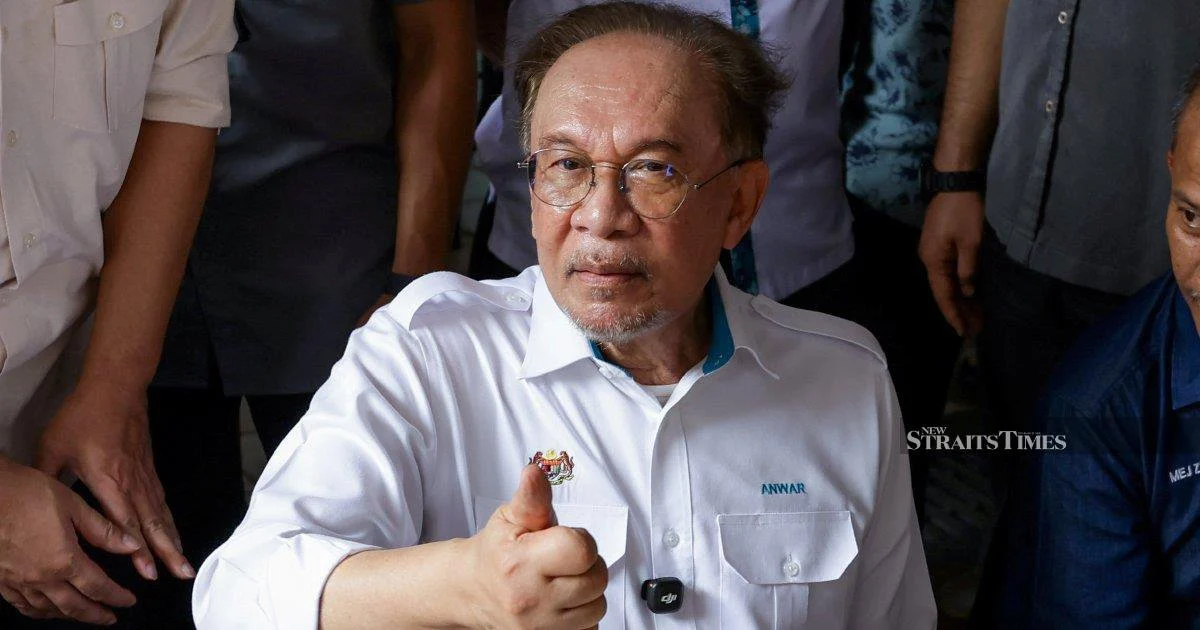
Prime Minister Datuk Seri Anwar Ibrahim has consolidated his position as Malaysia's most favoured political leader, according to fresh polling data released by the Merdeka Centre for Opinion Research. The latest public opinion survey underscores Anwar's ability to maintain robust backing among voters, a crucial metric for any government seeking to sustain its mandate and navigate the complex parliamentary dynamics that have defined Malaysian politics in recent years.
The Merdeka Centre, one of Malaysia's most established and credible independent survey organisations, conducted the research to gauge public sentiment towards the nation's key political figures. Anwar's commanding lead in the approval ratings reflects the government's efforts to deliver on its policy agenda and suggests that his administration has successfully retained voter confidence despite the various challenges facing the nation, from economic pressures to ongoing governance concerns that regularly feature in public discourse.
The survey findings carry particular significance given the current political landscape in Malaysia, where coalition stability and public support are intricately linked. Anwar's strong showing provides the Pakatan Harapan-led administration with a tangible basis for its continued governance, though such popularity figures must be understood within the context of Malaysia's volatile political environment, where shifts in public opinion can occur rapidly in response to major policy announcements or political developments.
In contrast to Anwar's strong performance, Zahid Hamidi, the Deputy Prime Minister and former president of the United Malays National Organisation, recorded the lowest approval rating among the surveyed political leaders. This positioning reflects the complex public perception of Zahid, who has faced considerable scrutiny relating to past legal matters and corruption allegations, issues that continue to resonate with sections of the Malaysian electorate despite his current role in government.
The disparity between Anwar and Zahid in these approval measurements illustrates the differentiated manner in which Malaysian voters assess their political leadership. While Anwar appears to benefit from perceptions of reform credentials and efforts to modernise governance, Zahid's lower standing suggests lingering public doubts about his suitability for high office, notwithstanding his deputy prime ministerial position and his responsibilities within the current administration.
For the broader Pakatan Harapan coalition, Anwar's strong popularity offers strategic advantages in managing internal party dynamics and preparing for future electoral contests. His elevated standing can provide political capital to advance agenda items that might otherwise face resistance from coalition partners or within his own administration. However, the survey also indicates the vulnerability of the government to public perception shifts, particularly regarding the performance of other senior leaders whose lower ratings might affect the coalition's overall electoral prospects.
The Merdeka Centre's methodology and independence make its findings particularly noteworthy for policymakers and political analysts tracking Malaysian public sentiment. As one of the few organisations conducting systematic, longitudinal surveys of political opinion in Malaysia, the centre provides valuable baseline data for understanding how various policies and political developments influence voter attitudes toward government figures and institutions.
For Malaysian observers and regional analysts, these approval ratings offer insights into the foundations of the current government's legitimacy and the extent to which public confidence in leadership translates into sustainable political capital. The survey suggests that while Anwar personally enjoys substantial backing, the government cannot assume unanimous support across all its members or ministers, a reality that necessitates careful coalition management and targeted communication strategies to maintain voter support ahead of the next general election.
The findings also invite consideration of how specific policy outcomes and governance initiatives might affect these approval trajectories in coming months. Areas including economic management, anti-corruption efforts, and delivery of promised reforms will likely influence whether Anwar maintains his current popularity advantage and whether other leaders can narrow the gaps revealed in this survey. Political analysts will be monitoring subsequent polling rounds to determine whether these measurements represent stable trends or temporary fluctuations in public opinion.
Regionally, these Malaysian polling outcomes contribute to a broader picture of political leadership preferences across Southeast Asia, where questions of governance quality, anti-corruption commitment, and economic competence regularly shape voter behaviour. The Merdeka Centre survey provides comparative context for understanding how Malaysian voters assess their leaders relative to the governance challenges facing other nations in the region, from Thailand to Indonesia.
Looking ahead, the Pakatan Harapan coalition will likely seek to capitalise on Anwar's popularity while addressing the lower approval ratings recorded by other senior figures. Strategic communication and policy implementation will be critical to sustaining the government's overall public standing, particularly as Malaysia confronts persistent economic headwinds and citizens' expectations for tangible improvements in living standards and governance standards.

